メインコンテンツへスキップ
Context Grammar文脈を読むAIをデザインする

Context Grammar — Always-On Layer

Brain

▶Listen to this page

Brain remembers what you’ve told it and what you’ve agreed. A family shares dinner, but not every preference or private detail. Context Brain is a proposed memory architecture that keeps those differences intact, and splits memory by where it came from: what you told it, what it has learned, and what is happening now.

何度も説明しなくても、分かってくれるために。

音声:英語

文字起こしを読む

Remember enough to make the next visit easier

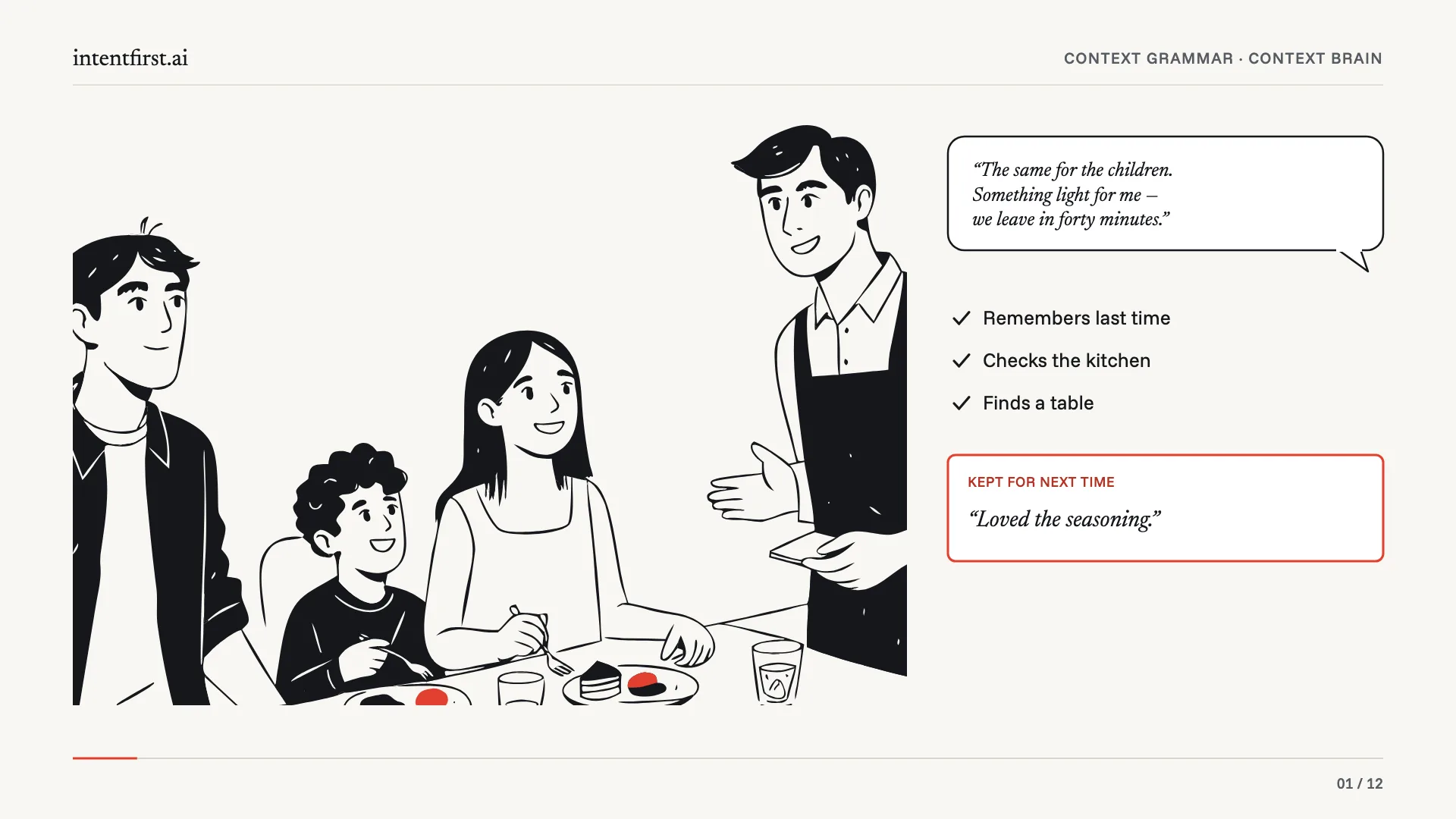
いつもの店に、今日は家族で来ました。「子どもは前と同じものを。私は軽めで、四十分後には出たいんです」。店主は前回の好みを覚えていて、厨房に今できる料理を確かめ、席も用意してくれる。帰りに「今日の味付け、よかったです」と伝えれば、次にも生かしてくれる。好み、店の知識、今日の事情がつながるから、全部を説明し直さずに済みます。AIにも、こんな記憶の持ち方を考えたものがBrainです。

Identity · Learning · Now

旅行なら、子どもの食事で必ず守る条件がある。前の旅では、午後に休憩を入れると家族が楽だった。そして今日は雨が降りそう。この三つは、覚えておく意味も期間も違います。基本となる情報をIdentity、経験から分かったことをLearning、今の状況をNowと呼びます。どのBrainにもある三つの層です。今日は疲れていた、という一日だけの事情を、ずっと続く好みと取り違えないためにも分けます。

Different people. A plan that considers each of them.

子どもはライブに行きたい。親は移動を楽にしたい。家族としては、夜九時には宿へ戻りたい。それぞれの希望は個人のPerson Brainに、家庭で決めたことはHousehold Brainに。予算や予定には、それを扱うDomain Brainがあります。今回の旅行をまとめるのがEvent Brainの一つ、Trip Brainです。違う希望を一つに混ぜず、誰の希望かを分かったうえで、みんなに合う計画を探します。

Brain remembers / Coordinator organizes / Agents act

店でも、好みの記録があるだけでは料理は出ません。店主が厨房と相談し、料理人が作り、給仕が運びます。AIでは、記憶を持つのがBrain。必要な情報を合わせて段取りをするのがCoordinator。宿を調べたり、予約をしたりする担当がAgentです。同じ家族の記憶を、食事の担当も交通の担当も使えるので、頼む相手が変わるたびに一から説明する手間が減ります。

What you told us before helps with today’s plan

「週末、家族で出かけたい」。AIが、子どもの楽しみ、移動にかかる時間、予算、休憩を入れたいという前回の経験を合わせてくれたらどうでしょう。ライブを楽しみ、途中で休み、九時までに宿へ着く一日が見えてきます。複数のBrainが協力する価値は、覚えた量より、別々に伝えた事情が一つの提案に生きることです。足りないことは、その場で確かめます。

The right context for each task

宿を探す担当には、今回使える宿泊予算が分かればよい。家計の全履歴まで知らせる必要はありません。食事の条件を確認する担当も、必要な範囲だけを受け取ります。どこで確認した情報かを残し、読むことと書き換えることも分ける。たとえば、宿の担当が子どもの好みを読めても、勝手に「新しい好み」に変えないようにします。

A shared plan, with current family context

旅の相談が始まると、Trip Brainに日程や予算、予約の状況をまとめます。家族の基本情報は、必要なものを元の記憶から参照します。丸ごと複製して、古い情報を信じ続けないためです。出発前に食事の条件を本人が更新したら、旅の計画でも新しい内容を確かめ直す。交通と食事の担当も、同じ最新の旅程を見ながら相談できます。

Control Tower · Work together / Field Relay · Pass the result on

宿と交通は、同時に調べてもらえると早いですよね。これは、共通の旅程を見ながら担当をまとめるControl Towerという協力の形です。一方、宿が決まってから、その最寄り駅までの行き方を詳しく調べることもある。前の結果を次の担当へ渡す形がField Relayです。こちらが何度もコピーして説明しなくても、必要な続きが引き継がれます。

Plan → Experience → Review → Remember

旅行中、「午後の休憩があると楽だった」「この料理、また食べたいね」と分かった。帰宅後、AIが「次の旅行でも覚えておきますか」とまとめてくれます。確認した学びは、家族や本人の記憶へ戻す。今回だけの予定や専用画面は閉じても、残したい旅の記録は残せる。旅の準備から当日、振り返りまでをつなぐと、次の相談が前より楽になります。

Several Brains help Maya make one decision

仕事で新しい企画を考えるMayaには、顧客が困っていること、ブランドが大切にすること、今のチームでできることを合わせる必要があります。Research、Brand、Orgの各Brainが、それぞれの知識を持っています。Project Master Brainのもとで提案をまとめれば、資料探しから毎回やり直さずに済む。Mayaが進めると決めたら、その目的と根拠を持つProject Brainで仕事を始めます。

Carry useful learning into the next project

企画が終わったとき、「お客さんには、この説明が伝わりやすかった」と分かった。その学びを確認して共有の記録へ残せば、次のチームも役立てられます。すべての案件を自由に見せる必要はありません。元の調査には出どころを残し、共有してよい学びだけを次へ渡す。経験を持ち寄りながら、それぞれの仕事で守る情報も保てます。

Remember what matters. Bring it together when needed.

家庭全体のこと、一人ひとりのこと、予算のような専門のこと。それを調整する役と、旅行や仕事のための一時的な記憶。この五つの役割は、家庭でも会社でも見つかります。それぞれのBrainの中には、基本、経験、いまの三層がある。店で「前の味付け、よかったです」が次に生きるように、AIにも、別々の場面で伝えたことを今の助けにつなげてほしい。そのためのBrainです。
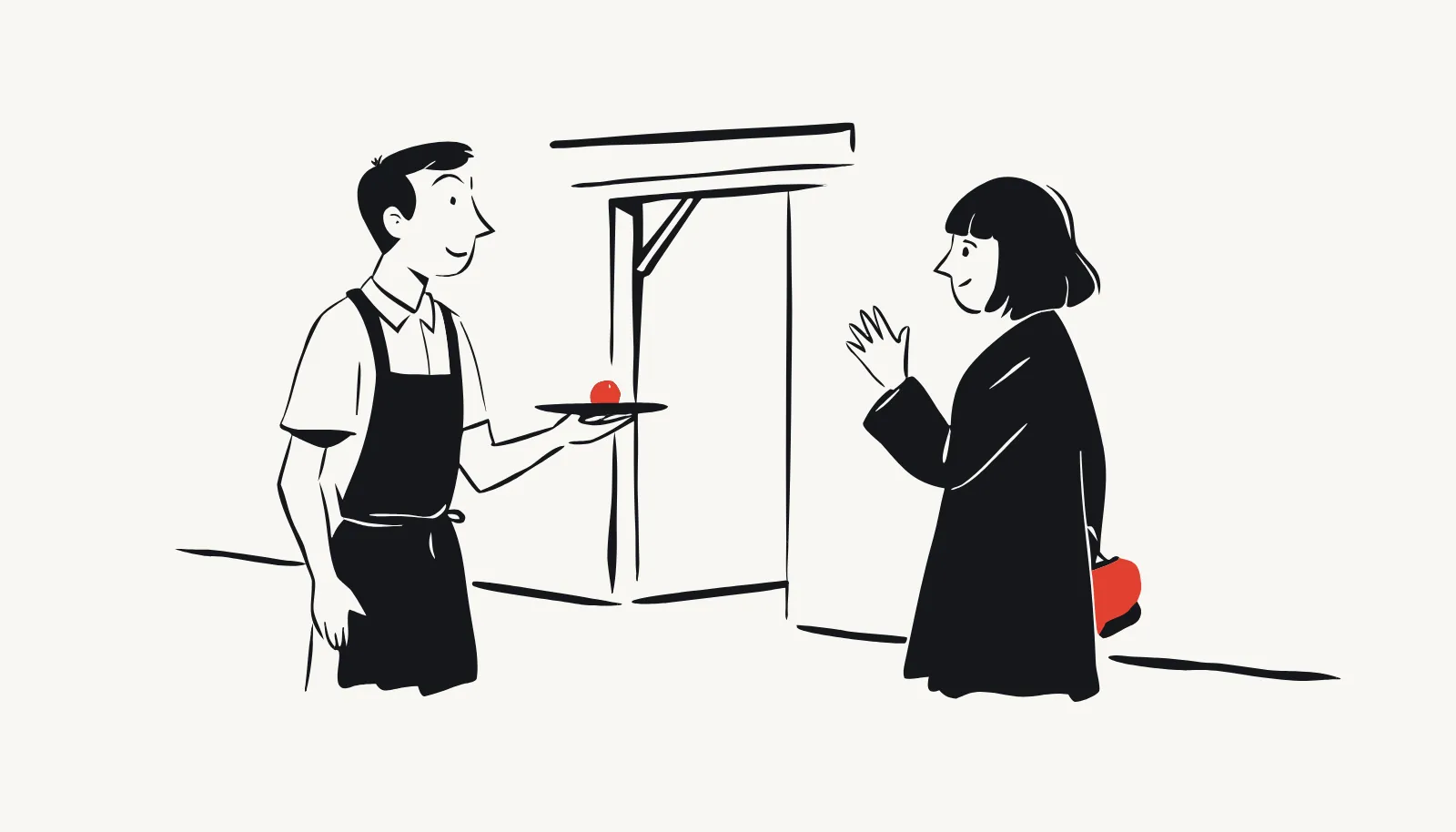
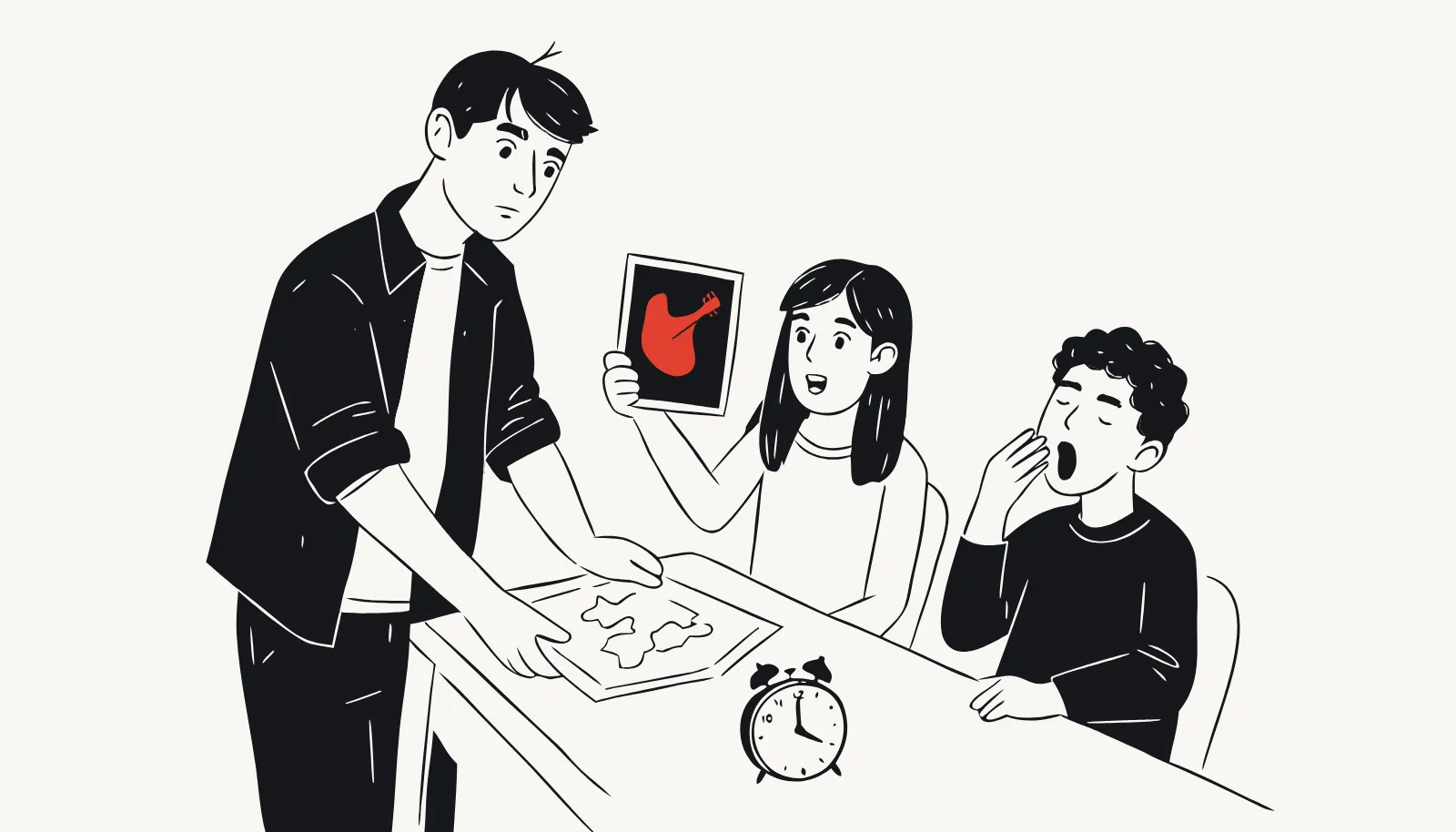
A host greets a regular warmly at the door.A family plans a trip: the daughter wants a concert, the father watches the time, the son is tired.
覚えている文脈が次の来店を楽にし、一つの計画が一人ひとりを考慮できるようにします。
◆ Always-On Layer · Brain

Separate Brains, three sources, one decision.

Explore four memory roles and the Coordinator that reads them. Turn on Now to follow Sota's shoe purchase through a simulated decision. No order is placed.

Home memory · five pillars
↳ distributed, never merged into one blob
Person Brain · universal anatomy

Memory is raw material. It becomes judgment only when it meets now.

●Example signals · input consoleidle
physical_state—
cognitive_load—
social_exposure—
priority_weight—
form_factor—
feasibility—
autonomy_dial—
disclosure_dial—
[ STATUS: FROZEN FACT-DATA ]
Turn on Now to add this morning's need, budget, and delivery window.
01Every Brain splits memory by source: what you told it, what it learned, and what's happening now.
02Family and organizational memory stays distributed instead of merged.
03Coordinators and Agents turn memory into action.

Definition

Memory is split by where it came from.

A Brain is a scoped store of context for a person, a household, a domain, or a project. It gives a decision continuity without treating every past interaction as equally relevant.

What you told it (names, allergies, permissions, agreements) is yours to change. What it learned (preferences and habits inferred from repetition) may be wrong. What is happening now (location, company, urgency) may disappear in minutes. These also change at different speeds, but speed is secondary. The source comes first: when everything is mixed into one bucket, a guess can start to look like something the person said.

Inside each scope, Context Brain proposes . A child's allergy can remain a constraint, a food preference can be corrected, and tonight's late train can expire. A Coordinator reads the relevant, permitted context; an Agent carries out the resulting task.

memory_by_source
told:identity · permissions · agreements
source:the person · changes only when they change it
learned:preferences · habits · inferences
source:the AI · may be wrong
now:location · company · urgency
source:the moment · may disappear in minutes
if mixed_into_one_bucket:
→ a hunch can pass
→ for something the person said

Agreements

An agreement is kept in the person’s own words.

Agreements are first-class memory. Each one keeps the person’s words, the date, and the reason. “No nuts in the kids’ lunches, from May 3, because of the school’s policy” is an agreement. “They seem to avoid nuts” is only something the AI learned.

When the person changes their mind, the new agreement supersedes the old one. It never overwrites it: the old one stays on record, so anyone can see what changed, when, and why. A hunch never rewrites an agreement, however confident it is.

The same holds when building with AI. “From September 25, ask before anything that touches production” stays in force until the person replaces it, even if the last twenty deploys went well.

agreement_record
words:“Ask before anything that touches production.”
date:2026-09-25
reason:a migration once went out unreviewed
supersedes:the 2026-08-02 agreement (kept on record)
rewrite_by_inference:
→ never

Overview

Start with four ideas.

01

Brain is memory

It stores facts, constraints, learning, and current state by layer. A Brain does not buy, notify, or act by itself.

02

Memory is split by source

What you told it, what it learned, and what's happening now. Every Brain keeps them apart.

03

Coordinator reads

It reads across multiple Brains and decides which Agent should act, and how much autonomy is appropriate.

04

Agent acts

Voice, Shopping, and Notification Agents execute within permission boundaries and write learning back.

Restaurant model

The restaurant that remembers you.

At a restaurant you visit often, the reservation book records your name and the allergy you asked the staff to remember. The server has also noticed that you usually choose the window table. One is an explicit constraint; the other is a pattern that might change.

When you order fish for a guest three times, a careful server does not quietly make it your favorite. A useful memory keeps the circumstances attached and lets you correct the inference.

Tonight you arrive with colleagues instead of your family. The server can offer the quiet table without announcing a private conversation from your last visit. Remembering something and being allowed to repeat it are different decisions.

Context Brain formalizes that distinction. The reservation, the learned preference, and tonight's company come from different sources and stay apart. The kitchen needs the allergy; the whole dining room does not need the guest's history.

staff_memory_model
stable_facts:name · confirmed allergy · disclosure permission
maps_to:What you told it
patterns:window table · fish ordered for a guest
maps_to:What it learned
tonight:with colleagues · quiet table · private history withheld
maps_to:What's happening now

Three sources

Every Brain keeps three sources apart.

L1Told

What you told it

What the person stated: identity, constraints, permissions, and agreements. It changes only when the person changes it. In the restaurant model, this is the reservation book.

Control: Disclosure limits what each task may read, for each person and domain. A meal planner may receive an allergy constraint without access to the person's wider health history. Stable facts remain editable when circumstances change.

L2Learned

What it learned

What the AI inferred from repetition: preferences, habits, mistakes, and corrections. It may be wrong, so it stays labelled as inference, connects to Autonomy and Trust controls, and never rewrites an agreement.

Correction: “That salmon was for our guests” corrects an inference, not the person's identity. Keep the observation's context and confidence; repeated mistakes should reduce autonomy for that task until the behavior is reviewed.

L3Now

What's happening now

The live state of the moment: place, people, time, urgency, and social atmosphere. Situation Signals and Relationship Dials flow here and turn memory into judgment.

Live inputs: Physical State, Cognitive Load, Social Exposure, Priority Weight, Form Factor, Feasibility, Autonomy Dial, and Disclosure Dial.

Right now

Memory is raw material. It becomes judgment only when it meets now.

Before

Told + Learned

“Egg allergy.” “Tired on Fridays.” “Add lemon to fish.” These are important memories, but they are not enough for the system to act.

After

Told + Learned + Now

“Tuesday 18:30.” “Pasta and broccoli in the fridge.” “Dinner in 25 minutes.” “Your spouse is in the kitchen.” The Coordinator can now suggest an egg-free dinner. Ordering ingredients still depends on the household's permissions and budget.

Home memory system

A shared home still contains separate lives.

Planning Tuesday dinner might require Sota's allergy, a parent's arrival time, the groceries on hand, and the shared food budget. Those facts can inform one decision without becoming one unrestricted family profile. A busy calendar block can be enough; the meeting title can stay private.

▣Household Brain

Stores household rules, budget policy, and shared priorities.

▣Person Brain

Keeps, for each person, what they told it, what it learned, and what's happening now.

▣Domain Brain

Stores domain-specific memory such as Finance, Health, Education, and Calendar.

▣Event Brain

Born from the household for time-bounded goals such as trips, moves, or exams; returns reviewed learning, then dissolves.

◈Coordinator

Not a Brain. It reads across Brains and decides which Agent should act.

[ distributed home memory — four roles and a Coordinator ]

// each Brain keeps three sources apart;
// the Coordinator reads permitted context
// without creating a shared personal profile.

Roles

Brain remembers. Agent acts. Coordinator decides.

Memory

Brain

The place where memory lives. It stores facts, constraints, learning, and current state by layer.

Action

Agent

The role that does work: listening, searching, buying, notifying, and recording.

Orchestration

Coordinator

Reads the needed Brains, matches rules, and decides which Agent receives the task.

One Brain can be read by many Agents. One Agent can read many Brains. The important point is that Brain and Agent are not locked into a one-to-one mapping.

In restaurant terms, Brain is the reservation book and regular-guest memory, Agent is the chef or server, and Coordinator is the floor manager. Good service works because memory, judgment, and action are separate but connected.

[ multi-agent orchestration — Brain · Coordinator · Agent ]
Multi-agent orchestration
[ multi-person orchestration — one AI, four different rule sets ]

One AI, four rule sets

The same Coordinator, the same Household Brain — but each Person Brain holds different Autonomy Dial settings and Substitution Modes. One AI serving four people simultaneously, each on their own terms.

[ multi-person brain — one Coordinator, separate signal states per family member ]

One household, separate preferences

One parent allows any Greek yogurt; another wants a specific brand. If that brand is sold out, the Coordinator applies the second person's “exact” rule to their item. It can leave the item unfilled or ask; a shared basket does not erase an individual boundary.

1

Voice Agent receives the utterance

“My shoes are tight” is a possible need, not permission to buy. The Voice Agent passes it to the Coordinator to check against the family's existing rules.

2

Coordinator reads multiple Brains

Person Brain returns Sota's size and soccer schedule. Finance Brain returns budget. Calendar Brain sees the match is soon. Household Brain returns the purchase rule.

›Show detailed query data
BrainReturned Value (L1 / L2 / L3)
Person Brain (Sota)Age 11 · current foot size EU 36 (up 5mm recently) · athletic shoes needed
Finance Brain¥23,000 left this month · ¥15,000 for kids' essentials · proposed pair ¥4,800
Education BrainSchool dress code OK · PE class requires athletic shoes
Calendar BrainMatch next Saturday · urgent
Household BrainParent previously allowed essential shoes under ¥5,000 when size, school rules, timing, and budget are verified
→ Verdict: ORDER ONLY AFTER EVERY CONDITION IS VERIFIED; OTHERWISE ASK
3

Rule selects Silent Buy

The parent has authorized this category under ¥5,000. The ¥4,800 pair fits the budget and verified requirements. If size, price, or permission were unresolved, the order would wait.

4

Shopping Agent orders

Correct team brand, correct size, same-day delivery. The Agent executes and records the result within its permissions.

5

Learning returns to the Brains

Finance records the spend; Person Brain retains the verified size; Household records which rule was used. A placed order is not proof of a good fit: a later correction must update the relevant memory.

›Show detailed learn updates
BrainWrite-Back / Update Action
Finance BrainRecords the ¥4,800 kids' essentials spend and updates the monthly budget (what's happening now)
Person Brain (Sota)Proposes foot size EU 36 for the parent to confirm; until then it stays in what it learned
Household BrainRecords which agreement was used and the order outcome; fit remains unconfirmed (what it learned)

Walkthrough

A ¥4,800 pair. A ¥5,000 boundary.

“Mom, my soccer shoes are getting tight.”

In this proposed flow, five Brains supply different parts of one decision. The parent's standing permission makes the routine purchase possible. as a single table.

Disposable Brain

Born for a purpose. Gone when the purpose ends.

Not every memory should live forever. A Kyoto trip, a move, a typhoon plan, a product launch, or an exam can create an Event Brain for a temporary goal.

For a Kyoto trip, the Event Brain is born from the family’s Brain: it inherits the constraints it is allowed to use and keeps the itinerary and trip discoveries in its own scope. After the trip, the family reviews what should be remembered. Only reviewed learning returns to the parent; then the Event Brain dissolves.

Building with AI works the same way. A working session is born from the project Brain, hands its reviewed lessons to the next session, and then dissolves.

↗ See it applied in Project 02: The Family Trip

[ disposable brain — lifecycle diagram ]
Event memory with a lifecycle
PhaseWhat happensExample
BirthBorn from the parent Brain: inherits permitted family constraints and records the event's own parameters.Dates, people, budget, and dietary restrictions for a Kyoto trip.
LearningBuilds event-specific insight as learned memory, kept inside the event.Children's stamina, preferred food, travel bottlenecks.
ReturnReturns only reviewed learning to the parent Brain. Nothing goes back unreviewed.Confirm “Kai likes ramen”; avoid treating one tired afternoon as a lasting trait.
DissolveDissolves: the active event closes and the chosen retention policy applies to its records.Live location and expired plans can be removed; reviewed preferences remain.

Scale

The same structure scales from people to families to companies.

Context Brain is not a family-only pattern. A person can have a Self Brain, a family can have a Household Brain, and a company can have an Org Brain. Domain Brains become Finance and Health at home, or Legal, HR, Marketing, and Engineering inside an organization.

The invariant structure is this: each Brain keeps three sources apart, a Coordinator reads across Brains, and Agents act. At work, a designer drafting a launch page needs the approved brand voice, recent research, and this week's release constraints. A Project Brain can draw on Brand and Research Brains while keeping the sprint's blockers local. A temporary workaround should not become company policy.

connects these memories to disclosure and autonomy limits. When a project closes, a useful finding can be reviewed for the organization's memory while its live task state expires. A Master Brain, or any memory that spans projects, holds an index of what exists and the lessons that have been reviewed, not the contents of every project. The Coordinator is not a Brain: it reads permitted context and decides, but stores nothing of its own. The five-tier table below is one organizing model; the memory boundaries matter more than a fixed number of teams or Brains.

scale_invariants
tier_count:5 roles in the model below
sources:3 — told / learned / now
variable:N (number of Brains)
agents:separate variable layer
// person → family → startup → enterprise
same structure, different N
›View 5-Tier Scale Model Table
TierRoleIndividual (1)Family (5)Startup (30)Enterprise (1000+)
1Persistent foundationSelf BrainHousehold BrainOrg BrainOrg Brain
2Judgment DNA—Person × 5Person × 30 / Brand × 1Brand × N (multi-product, regional)
3Specialist knowledgeHealth / Money / ScheduleDomain × 5 (Finance / Edu / Health / Cal / Home)Function × 3–4 (Ops / Customer / Finance)Function × 8–12 (Legal / HR / Finance / Marketing / Engineering / Customer…)
4Coordinator (not a Brain)(your own mind)Household CoordinatorProject CoordinatorCoordinator hierarchy
5Time-limited executionTrip / MoveEvent × NProject × fewProject × many
Key point: The counts are illustrative. A household might separate five domains; a company might need twelve functions. Each scope still separates what it was told, what it learned, and what is happening now. A Master Brain holds an index and reviewed lessons, not contents. Coordinators connect the permitted context, and Agents carry out the work.
›Q1. Do Brain and Agent need to share the same name?

No. “Finance Brain” and “Finance Agent” share a name for clarity, but they are different things. One Finance Brain can be shared by three Agents (Shopping / Tax / Budget). Conversely, one Calendar Agent can read from five Brains (Finance / Education / Health / Calendar / Household). This is normal and expected.

›Q2. Does Brain alone make AI work?

No. Brain is a bookshelf. Without someone to read it (Agent) and someone to decide who reads what (Coordinator), stored context does not produce an action. These are logical roles in this proposal; they do not require three separate products or models.

›Q3. Can an Agent write directly to a Brain?

Yes — within its permission scope. Read permission and write permission must be defined separately. A Finance Agent may record a purchase without being allowed to rewrite a person's preferences. An Agent may add to what the Brain learned; it never rewrites what the person told it. Agreements change only when the person changes them, and the new one supersedes the old. The per-person, per-domain Disclosure Matrix describes information boundaries; implementations also need explicit write rules and a record of corrections.

›Q4. Is there only one Coordinator?

At household scale, one Coordinator is sufficient. At enterprise scale, a Coordinator hierarchy becomes necessary (department Coordinator → company-wide Coordinator). The essential requirement is one or more “reads across and decides” roles.

›Q5. What does this architecture add to AI memory?

The useful question is whether a memory system can distinguish a stated constraint from an inference, preserve who a memory belongs to, and expire temporary context. A longer conversation history alone does not specify those boundaries.

What Context Grammar proposes is a distributed multi-Brain × separate-layer specialist Agent × Coordinator structure. It is a design proposal for organizing memory and authority, not a claim that the portfolio demos run a complete agent operating system.

›Q6. Do all three sources truly exist in every Brain?

In this model, yes. Person Brain (Sota): “age 11 · soccer” (told) · “recently growing fast” (learned) · “shoes too tight this morning” (now). Finance Brain: “currency JPY” (told) · “eating out more this month” (learned) · “budget ¥23,000” (now). Even Event Brain (Kyoto Trip): “dates · family size” (told) · “Kai likes ramen” (learned) · “currently at Kyoto Station” (now). Splitting by source is universal memory anatomy.

Q&A

Common questions answered.

The distinctions that matter when turning this memory model into a product.

Memory without trust control becomes surveillance.