Context GrammarDesign for context-aware AI

Context Grammar · Stage 2

Signals: Reading the Room

One intention can need a different kind of help as the person, place, and moment change.

Situation Signals

English audio

Read transcript

Same person. Different moment.

At your usual restaurant, you might come alone, bring a friend, or stop for a quick meal before a train. The host knows you, but does not treat every visit the same. AI needs that same sensitivity. Situation Signals help it understand what kind of support fits this moment.

Six Signals

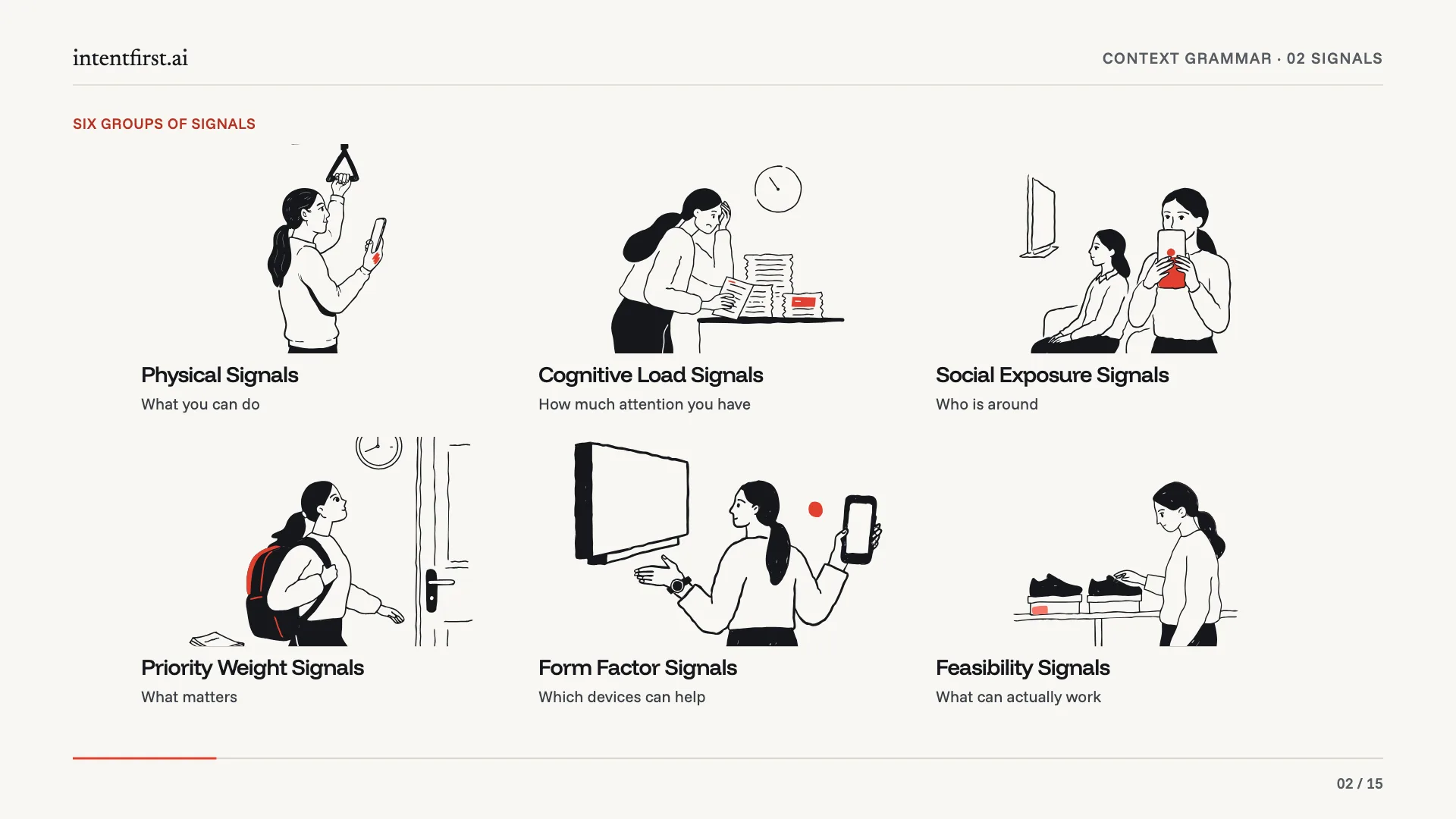
There are six groups of signals. Physical Signals. Cognitive Load Signals. Social Exposure Signals. Priority Weight Signals. Form Factor Signals. And Feasibility Signals. Together, they describe what you can do, how much attention you have, who is around, what matters, which devices can help, and what is actually possible.

Physical Signals

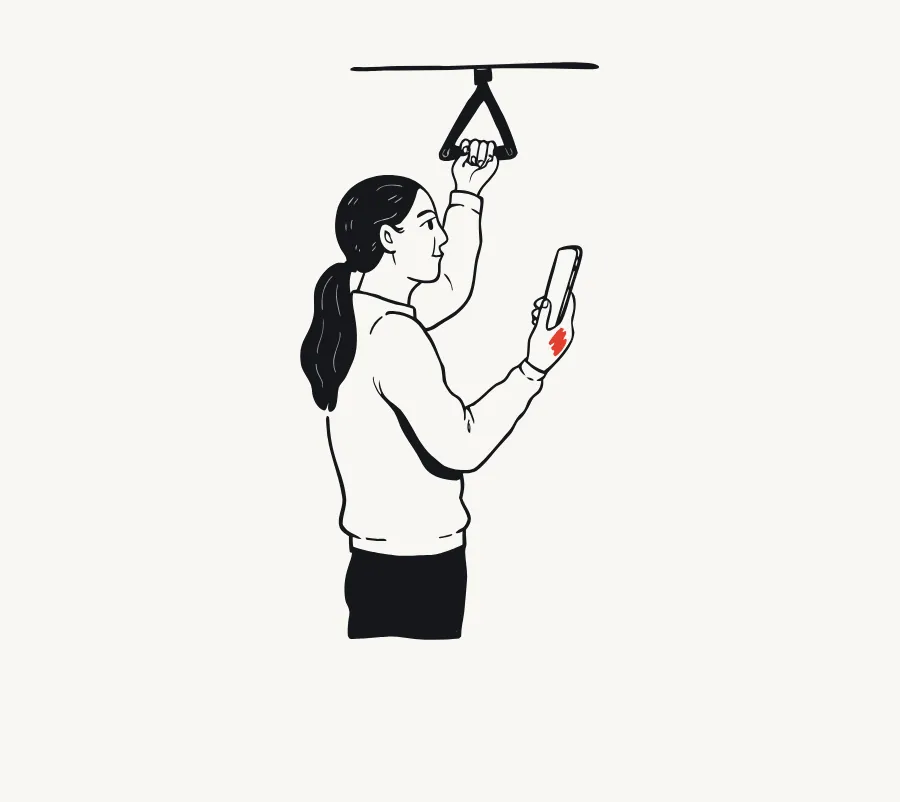
First, Physical Signals. What can your hands, eyes, and voice comfortably do right now? On a crowded train, one hand holds a strap and the other holds your phone. A shoe comparison becomes one card at a time, with Skip, Hold, and Keep within reach of your thumb. The task continues, with less physical effort.

Hands busy, conversation open

At home, you and your child are preparing lunch. Both hands are busy, so “Next step, please” may be easier than touching a screen. The recipe stays visible while you hear one short instruction. Physical Signals describe your current ability to interact. They should help preserve the experience, not make assumptions about what you can understand.

Different bodies, rich experiences

Reclining in bed does not mean you are asleep or want less detail. With a screen on a stand, you may want to explore films using only your voice. Driving is different: attention belongs on the road, and a nonessential comparison can wait. The right adaptation depends on the actual situation, not a stereotype about a posture or disability.

Cognitive Load Signals

Second, Cognitive Load Signals. How much room do you have to think? In a square ten minutes before a meeting, you are reviewing your notes. A brief answer may help. In the same square on a free Saturday, you may welcome a detailed comparison. The location is identical. Your available attention is not. And if the AI guesses wrong, you should be able to ask for more.

Social Exposure Signals

Third, Social Exposure Signals. Is this device private, shared with family, or visible to strangers? A surprise gift delivery can appear on your own phone, but stay off the family television. A crowded train calls for another level of care. The signal describes the audience. The Disclosure Dial sets what may be shared with that audience. They work together, but they are different parts of Context Grammar.

Priority Weight Signals

Fourth, Priority Weight Signals. What matters most for this task? You may have plenty of time to browse shoes on Saturday, but today your child needs a pair for PE tomorrow. Arrival time becomes more important than discovering every possible design. This is not the same as being mentally overloaded. It is a change in priorities: fit and tomorrow’s deadline come first, while preferences still guide the choices that remain.

Form Factor Signals

Fifth, Form Factor Signals. Which devices are available, and what can each one do? At home, eight shortlisted black sneakers move onto the television, large enough for your child to compare. Your phone keeps the prices, delivery dates, and purchase controls. This is more than mirroring a small screen. Each device plays a different part in one shared decision.

Two signals. One sharing boundary.

Three parts cooperate here. Form Factor Signals identify the usable screens. Social Exposure Signals describe who can see each one. The Disclosure Dial keeps purchasing details with the parent. A nearby screen is not automatically yours to use. The assistant should use only devices you can access and have allowed for this task.

Feasibility Signals

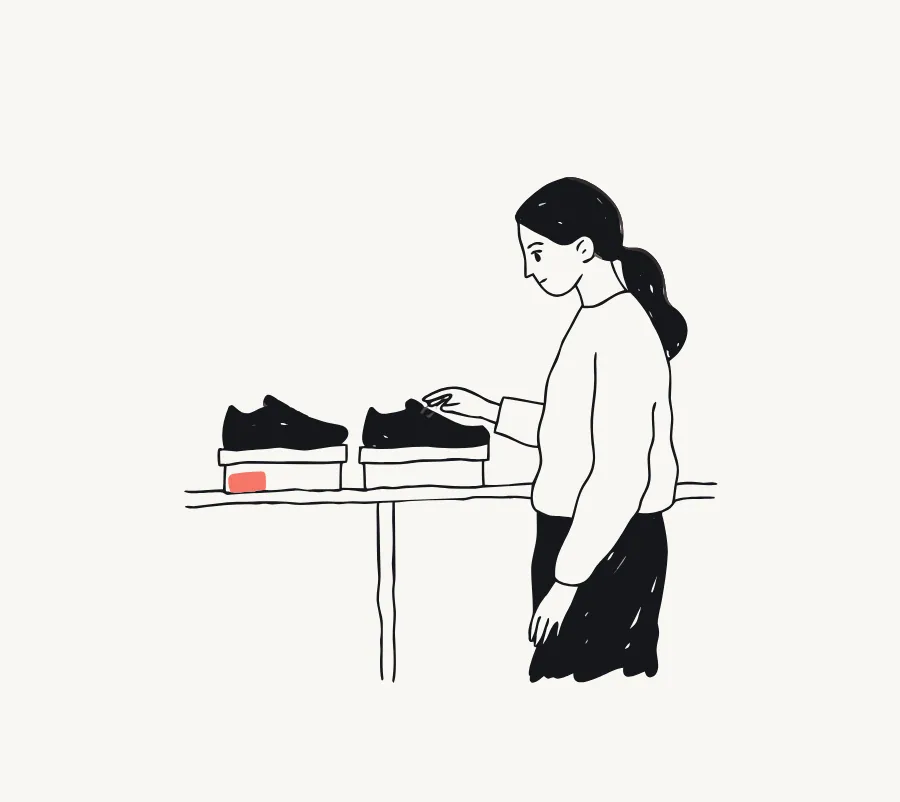
Sixth, Feasibility Signals. Can this option actually work? Let’s look back at how those eight pairs were shortlisted. Start with a larger set of shoes. Remove pairs that lack the right size, are out of stock, or arrive too late. Eight viable options remain. Some can be delivered in time. Others are available for pickup today. A useful assistant explains that difference, checks current availability, and leaves the purchase decision with you.

When the situation changes

Now you are carrying a bag through a noisy station. A pickup option is about to become impractical: the shop closes before your delayed train arrives. A brief visual cue can flag that change. Once you are settled, your phone offers the remaining delivery options without making you restart the search. No order changes by itself. The important part is keeping the decision moving as the situation changes.

Leave room to be corrected

Just because there is a meeting on your calendar doesn’t mean you’re actually busy right now—it might have wrapped up early. If an AI shortens its response assuming you’re pressed for time, framing it as: “I kept this brief—would you like more detail?” gives you an effortless way to steer it back.

Decision Schema

In the same way that yesterday’s stock check is not the same as inventory confirmed this second, every piece of information carries a shelf life and a degree of doubt. That is why the system tracks each signal with its source, its confidence level, whether you verified it, and a safe fallback when facts are missing. We call that underlying structure the Decision Schema.

One intention. The right support.

The Six Signals shape a single intention into the right kind of support for this specific person. They help an AI adapt while staying open to correction. Read the Situation Signals chapter to explore the full framework. Next, the Relationship Dials: how much should an AI share, and how far should it act on your behalf? Those boundaries belong to you.

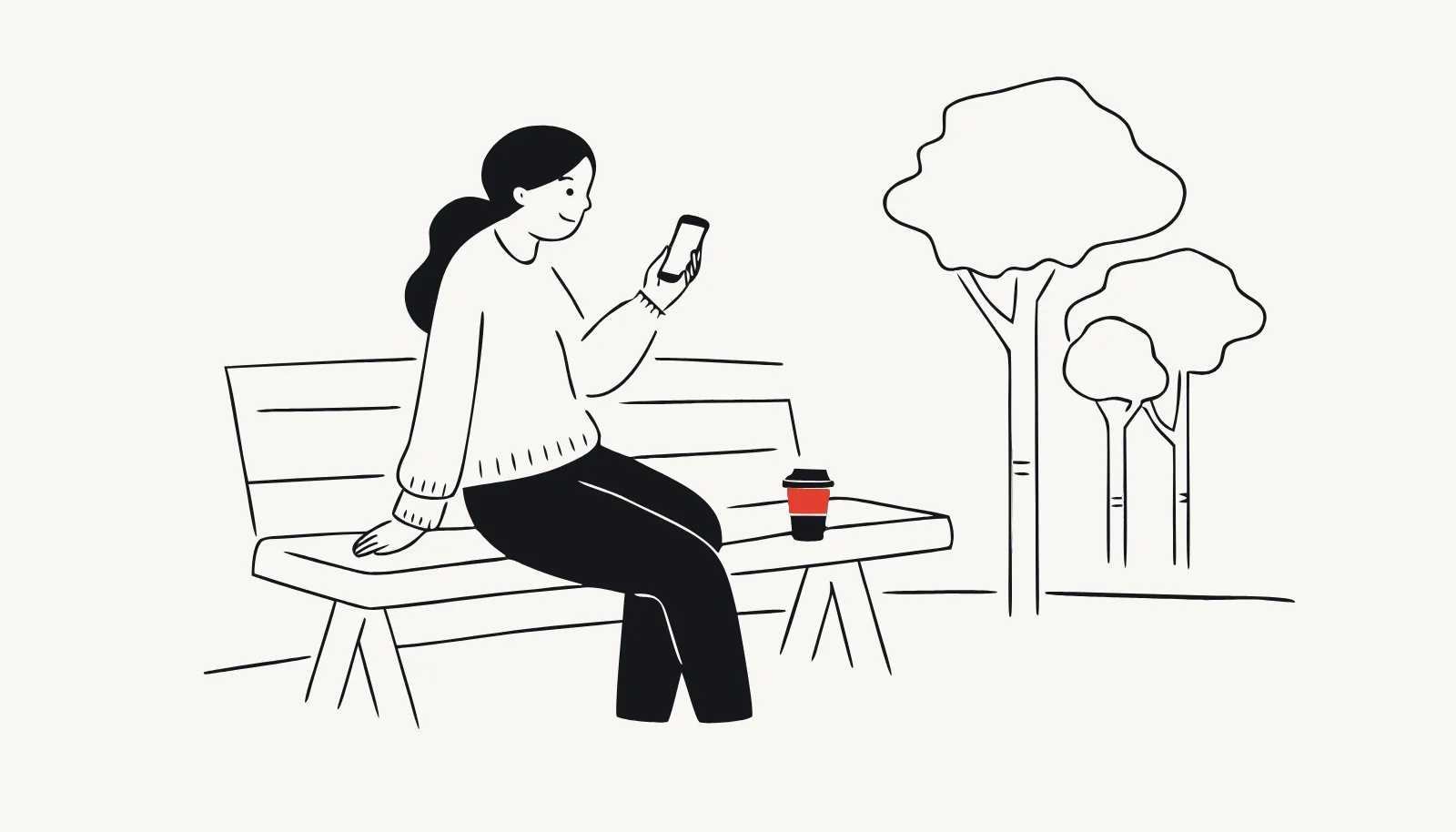
A woman hurries across a city square with papers, ten minutes before a meeting.The same woman relaxes on a bench in the same square on a free Saturday.
Same square, different attention. Location alone does not tell an assistant how much room you have to think.

01 / The gap

A plan is not the present moment

Your usual restaurant knows you often stop in for a leisurely dinner. Today you arrive alone, glance at your watch, and ask for something you can eat before your train. A good server notices the change without assuming that everything about you has changed. Your history helps; this visit is still its own moment.

A calendar entry has the same limit. It says a meeting was planned for now. The meeting may have ended early or the other person may have canceled. The entry is a clue about your attention, not proof that you are busy.

Suppose an assistant is researching a choice for you. It sees that meeting and, guessing that time is tight, sends a three-sentence brief. It adds: “I kept this brief—would you like more detail?” You can answer, “Actually, I have time; show me the full breakdown.” The assistant expands its answer without making you repair its entire understanding of your day.

Situation Signals turn clues about the present moment into provisional judgments about how to help. A clue can shape an interface; it is neither an unquestionable fact nor permission to act.

02 / Six everyday examples

Six example questions about one moment

These six come from everyday life. They are examples, not a closed list: Situation Signals are an open schema, and each product adds the signals its moments need. Each Signal is a clue to interpret, not a new permission for the assistant.

01 / 06

Physical Signals

How can you interact right now?

Clue
One hand holds a train strap; the other holds a phone. A car interface can also indicate that detailed screen work is unsafe.
Possible reading
The person may need easier input. A cue does not reveal everything about their body or ability.
Helpful response
Show one shoe card at a time, with Skip, Hold, and Keep within thumb reach. While driving, wait or use a brief voice response only if needed.
02 / 06

Cognitive Load Signals

How much room is there to think?

Clue
A meeting soon, rapid task switching, or a packed morning can suggest limited attention.
Possible reading
This is an estimate, not a measurement. The meeting could have ended early.
Helpful response
Offer a brief answer with an easy way to ask for detail. The same square on a free Saturday may call for a full comparison.
03 / 06

Social Exposure Signals

Who can see or hear this?

Clue
A private phone, a family TV, and a meeting-room screen have different audiences.
Possible reading
The audience might see information shown on that surface. Presence alone grants no access.
Helpful response
Keep a surprise-gift delivery update on your phone, away from the family TV. The separate Disclosure Dial determines what may be shared.
04 / 06

Priority Weight Signals

What matters most for this task?

Clue
Your child needs shoes for PE tomorrow, with a correct fit and a preferred design.
Possible reading
Fit and arrival time may outrank an exhaustive style search today. That does not mean the person is mentally overloaded.
Helpful response
Show the tradeoff and shortlist shoes that arrive in time, while keeping the child's preferences in view.
05 / 06

Form Factor Signals

Which permitted devices can help?

Clue
A parent's phone and a family TV are available for the same choice.
Possible reading
Each can carry a different part of the task. Nearby devices are not automatically usable or authorized.
Helpful response
Let the child compare eight black shoes on TV. Keep prices, delivery dates, and purchase controls on the parent's phone.
06 / 06

Feasibility Signals

What can actually work?

Clue
Size, stock, delivery date, store pickup, hours, distance, and budget narrow the options.
Possible reading
Yesterday's stock result is not proof of availability now.
Helpful response
Remove wrong-size, sold-out, and late pairs. Show the eight viable choices and whether each is deliverable or ready for pickup today; recheck before purchase.

Weather, time, and the current task can feed these Signals. When building with AI, other signals matter: today’s spend, hours since the last reply, another session working in the same folder. They take the same shape as the six above.

03 / Decision Schema

Information has a shelf life

A meeting added to a calendar last week records a plan. A stock result from yesterday records a past count. Neither settles what is true this second. The assistant needs to keep both the clue and its limits.

Every Signal, everyday or builder, carries the same record: what it suggests (value), where it came from (source), how certain the interpretation is (confidence), when it was observed and when it expires (freshness), whether the person confirmed it, and what to do if it is missing or old (fallback). Confidence describes an inference; it is not consent.

Record fieldQuestionMeeting example
valueWhat does this clue currently suggest?May have limited time.
sourceWhere did it come from?A calendar entry.
confidenceHow strong is the interpretation?Moderate; the meeting might be over.
user_confirmedDid the person verify it?No.
observed_atWhen was the underlying clue last checked?The plan was entered last week; current attendance is unverified.
expires_atWhen does this reading stop being usable?At the meeting’s scheduled end; after that, read again.
fallback_behaviorWhat if it is wrong or stale?A short brief with a “More detail” option.
implementation_readinessCan this product obtain a reliable reading?Calendar access may be available; actual attention is only inferred.

A fresh store response may confirm eight shoes in stock. If stock cannot be checked, say it is unverified and offer to check again or show pickup alternatives. Unknown does not quietly become “available.”

A builder signal reads the same way. Spend: $38 so far today, from the billing dashboard, checked five minutes ago, stale after the next charge. Fallback: if it cannot be read, ask before anything that costs money.

This Schema is a design contract for partial knowledge, not a claim that every device can sense every signal. The Brain holds relevant earlier knowledge; Signals describe what may be true now. The Rule Engine prepares a response, while Dials and the Negotiation Gate set the boundaries on sharing and action.

04 / Applied together

One intention, many shapes

The intention stays simple: find shoes your child can wear to PE tomorrow.

On the train

One free thumb calls for a single card and three reachable choices: Skip, Hold, Keep.

At home

The same eight shoes appear on the family TV. Price, delivery, and purchase stay on the parent's phone.

On the way

Check whether store pickup is still possible. While the parent drives, do not ask them to browse a grid.

Together, these Signals shape a single intention into the right kind of support for this specific person. Their assumptions remain visible and easy to correct.

05 / Continue

The person sets the boundaries

Reading the room is only part of the relationship. The Disclosure Dial sets what may be revealed, to whom, and where. The Autonomy Dial sets how far AI may proceed on your behalf. They are choices the person makes, not conditions a sensor discovers. An in-stock pair is not permission to buy it.