Relationship Dials
English audio
Read transcript
The usual—but with care
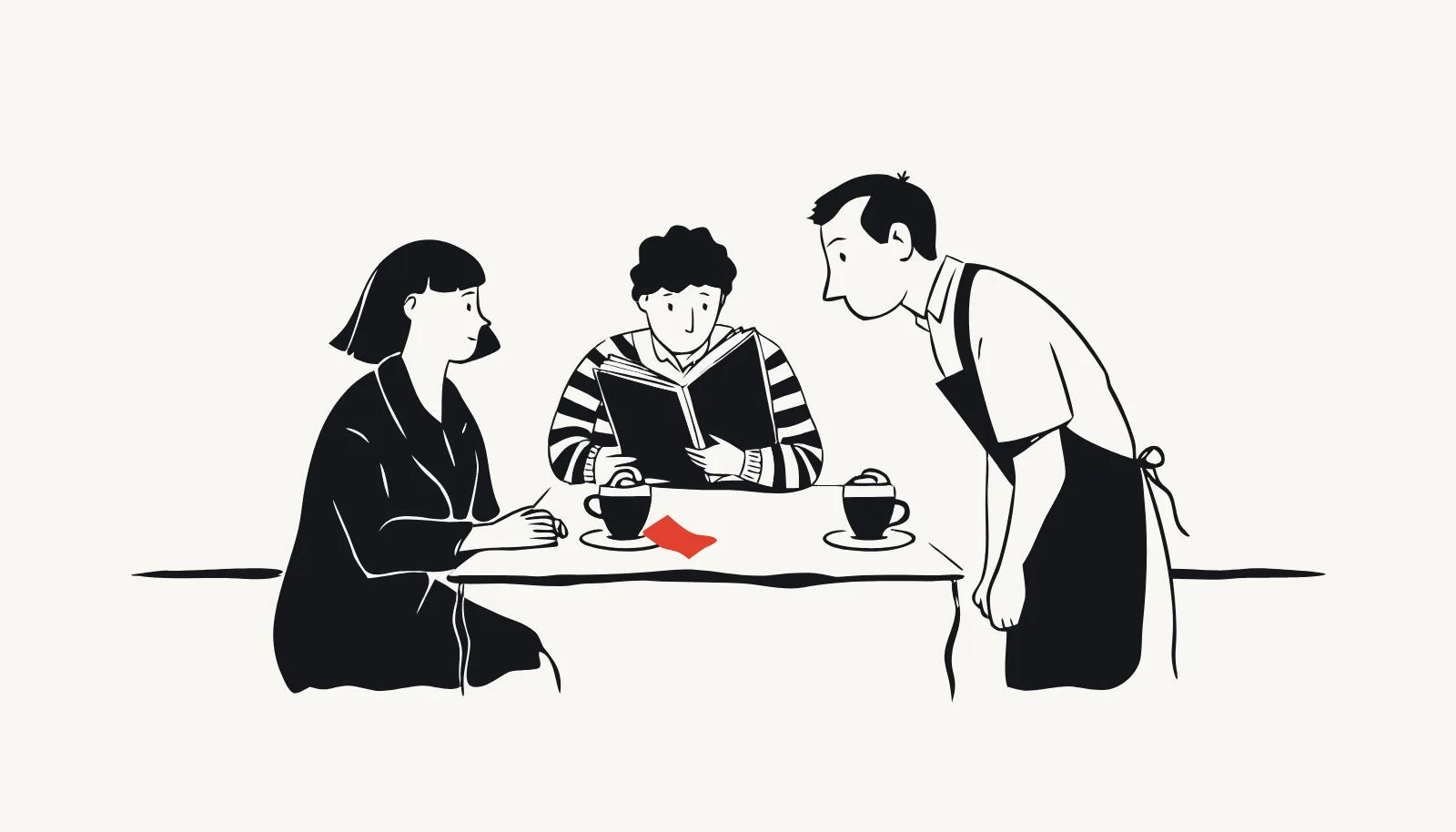
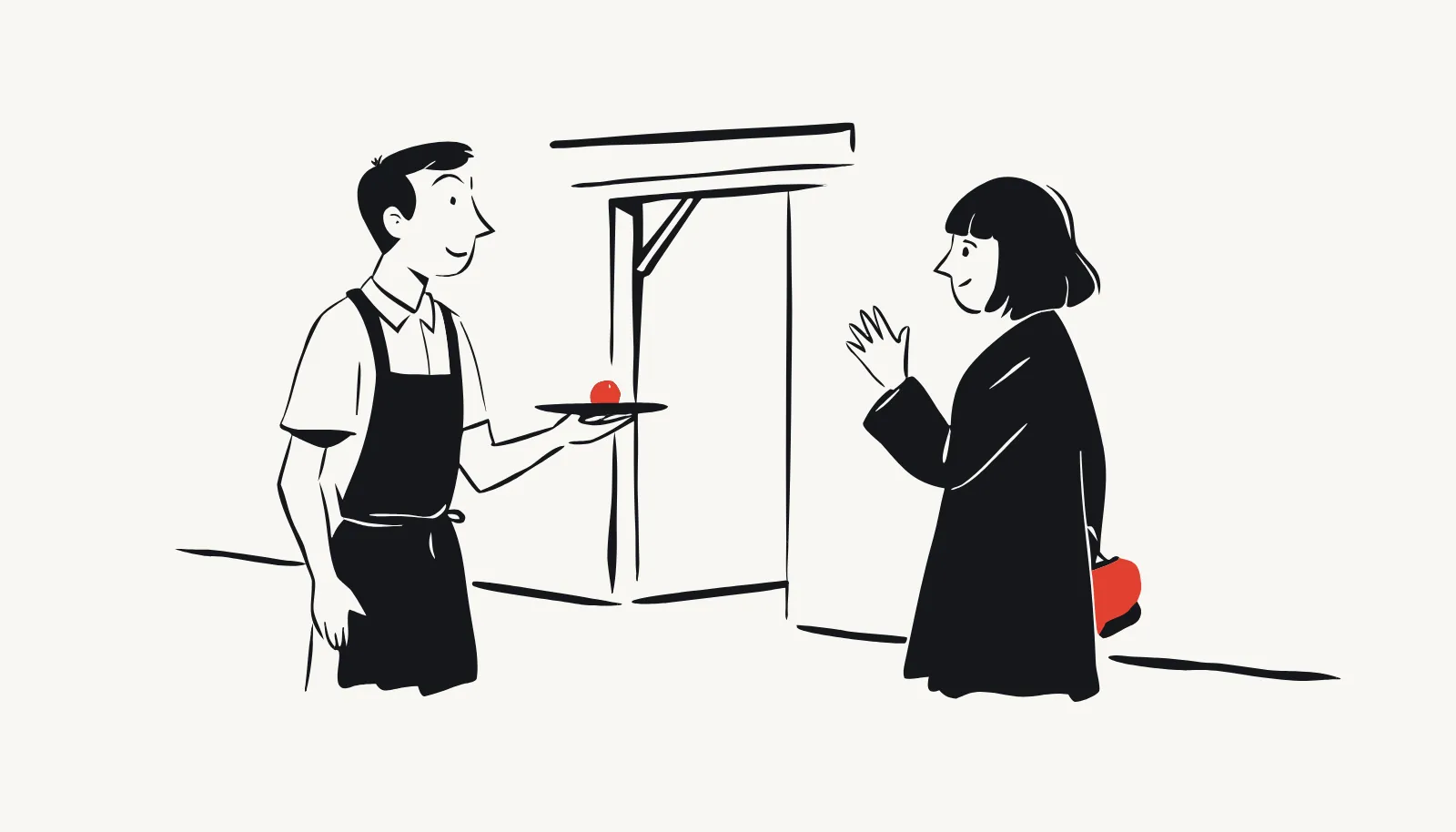
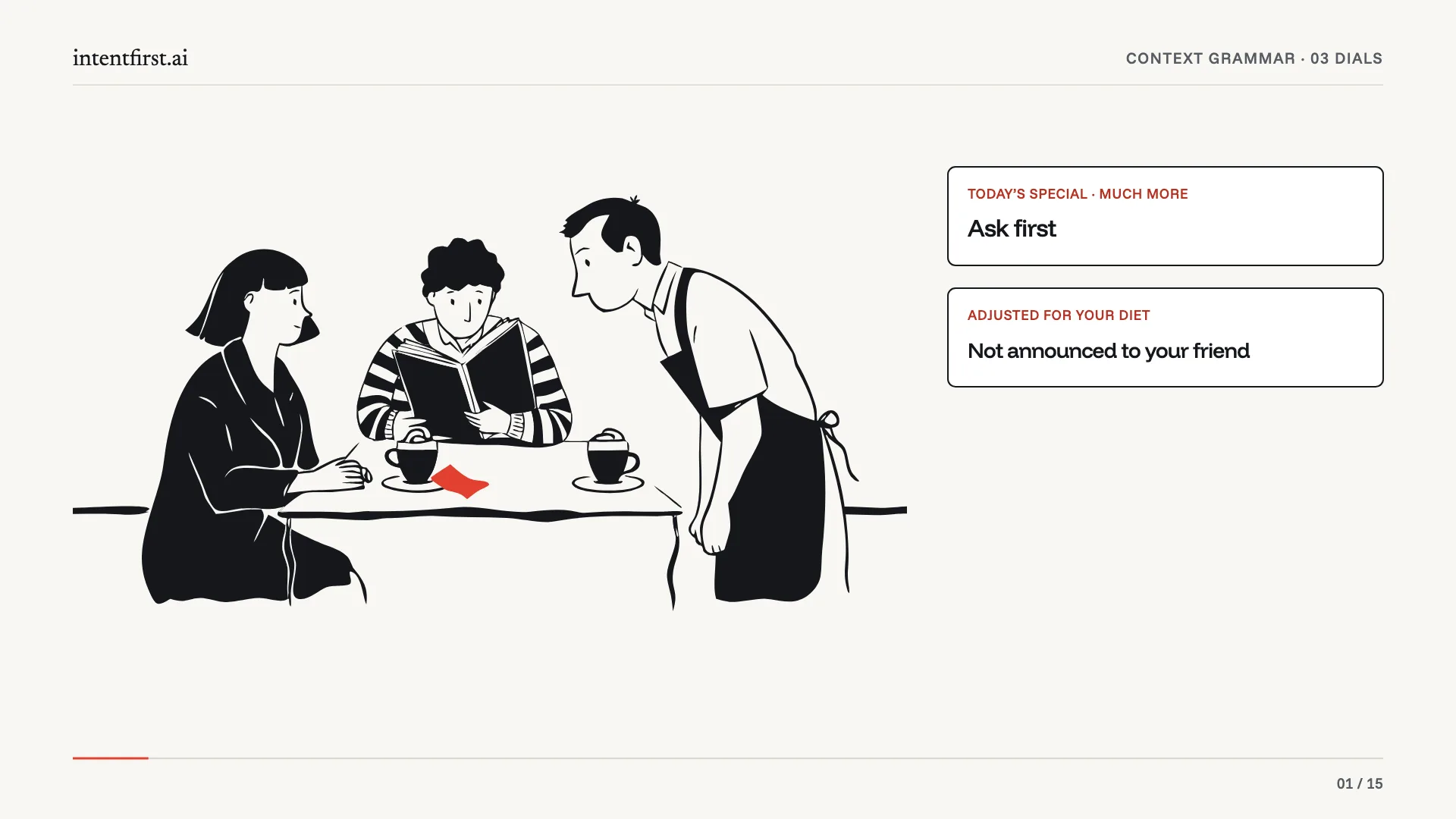
At your regular restaurant, ‘The usual’ can be enough. The server remembers what you like, and that feels wonderful. But if today's special costs much more, you would want them to ask first. And if they adjust a dish for your dietary needs, you would not want those needs announced to the friend beside you. Good service has two boundaries: what may be shared, and what may be done without asking.
Two different decisions
AI needs the same care. The Disclosure Dial sets what an assistant may know, reveal, and pass along. The Autonomy Dial sets what it may actually do for you. Knowing your preferences is not permission to buy something. Helping with a private need is not permission to tell everyone about it. These are two separate decisions, adjustable for each person and each task.
Disclosure · Protect
First, Protect: how much of your information can be used for this task? Imagine checking a calendar to arrange a meeting. Full shows the event and names. Summary shows only a broad time window. Existence says merely that the time is taken. Hidden reveals nothing. Watch the details disappear, one layer at a time. The useful level depends on the job and on who is asking.
Disclosure · Connect
Next, Connect: even when sharing is allowed, when should it arrive? Your mother watches a film she loves and wants to recommend it. Push interrupts you now. Digest brings the recommendation with other family notes this weekend. Available waits until you ask. Off sends nothing. The same warm thought can feel welcome or intrusive, depending on its timing.
Disclosure · Sync
Sometimes two people each believe a different plan. You remember Saturday at the east gate; your friend remembers Sunday at the west gate. If both of you allow it, your assistants can compare only this appointment and flag the mismatch. They do not exchange your whole calendars. And they do not choose the new plan for you. You and your friend settle it together.
Deep understanding. Careful delivery.
These choices work together without becoming one setting. Your assistant may remember everything you said about a film. Your family digest might share only its title and a short invitation. Understanding you deeply does not mean broadcasting every detail. Protect controls the depth of access. Connect controls the delivery. Sync coordinates a permitted exchange across assistants.
Now: the Autonomy Dial
So far, we have been talking about information. Now ask a different question: how far may the assistant act? The Autonomy Dial has four levels: Suggest, Confirm, Notify, and Auto. Let's follow one family from a new shoe purchase to an everyday household routine. Notice that the level can change with the task.
01 · Suggest
At Suggest, the assistant finds running shoes that fit the child's size, tastes, and deadline. It shows a short list, then stops. The parent compares, chooses, and starts any purchase themselves. This is guidance, with no order prepared or placed.
02 · Confirm
At Confirm, the assistant can prepare more: the right size, delivery date, address, and a checkout draft. But the order does not go through until the parent reviews and approves it. The distinction is visible: prepared is not purchased.
03 · Notify
For a familiar household item, you might give narrower permission. At Notify, the assistant orders the usual coffee beans within the budget and brand you set, then tells you what it did. The receipt and an easy way to stop the routine remain available.
04 · Auto—and an exception
At Auto, that predictable refill can happen quietly, without a notification every time. But Auto is not a blank cheque. If the usual beans are sold out and the substitute exceeds your price limit, the assistant pauses and asks. A boundary is most meaningful when something unexpected happens.
One household. Different boundaries.
The assistant may know a shopping budget without seeing your whole banking history. It may know the child's shoe size without being allowed to buy shoes. In a shared home, routine supplies can be automatic while a child's new activity waits for a family decision. Permission belongs to a person, a task, and an audience. One family member's yes is not everybody's yes.
Shape how help arrives
The same design reaches everyday recommendations. Your taste can guide what is found. Connect can save discoveries for the weekend instead of interrupting work. Autonomy decides whether the assistant merely suggests a song or starts playing it under a permission you chose. You can ask for more surprises today, and more quiet tomorrow.
Pause is not erase
And changing your mind should be easy. Pausing future music sharing stops new updates. It does not pull back messages already delivered. Deleting remembered preferences is another, separate choice. A clear interface shows what has stopped, what remains, and how to resume. Trust grows when you can correct a boundary without losing your place.
Help, on your terms
Back at the restaurant: ‘The usual, please. But I'm here with a friend, so let's keep it quiet.’ The server understands both the request and its limits. That is the relationship worth designing with AI: enough understanding to help, clear permission to act, and care about what stays private. Disclosure and Autonomy let you adjust that relationship, one intention at a time. Explore the chapter for the full framework, and continue to the Rule Engine to see how these choices become behavior.