Context Grammar — Floor 2

Context Tokens

Eight measurable dimensions of human state. The vocabulary AI needs to read the room before it speaks.

What Context Tokens Do

AI that reads the room

Before AI can adapt its behavior, it needs to read the situation. Context Tokens are the 8 measurable signals that give AI the instinct a skilled waiter already has — reading the table before speaking.

Two Groups

8 Tokens — 6 Situation + 2 Dials

Eight is a lot to memorize. Split into two groups and they make immediate sense: six sensors that read the world around you, two dials that govern what AI can know and do.

8

Context Tokens

6

Situation Tokens

What's happening now — signals AI reads

2

Relationship Dials

How far AI can act — controls the relationship

Group A · 6 Situation Tokens
Situation Sensors

They read what is happening right now — six axes of measurable fact. Inputs AI reads, not settings users control.

  • ① Physical State — body mode (walking / driving / still)
  • ② Cognitive Load — mental bandwidth (peak / low / relaxed)
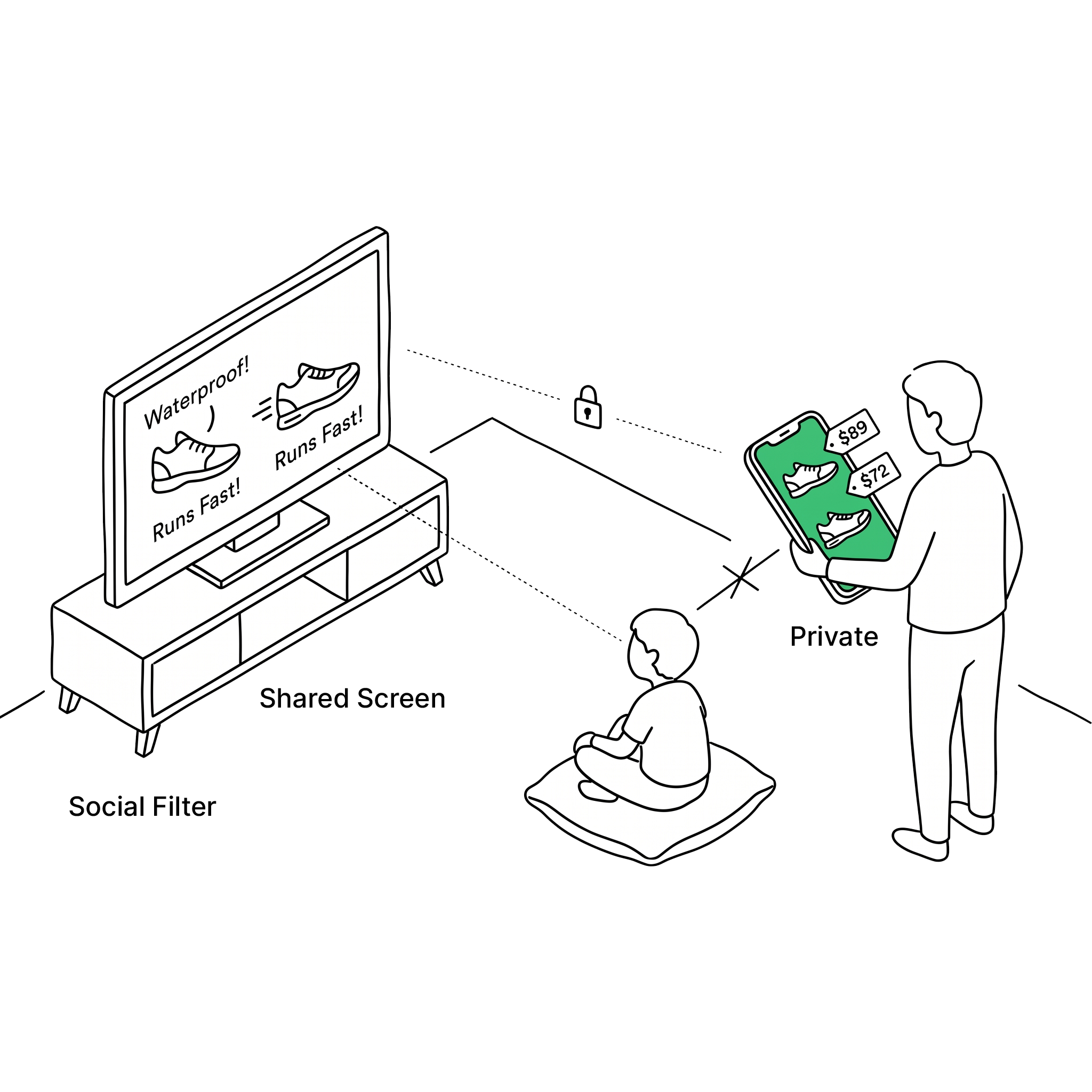
  • ③ Social Exposure — who else is watching (alone / family / colleagues)
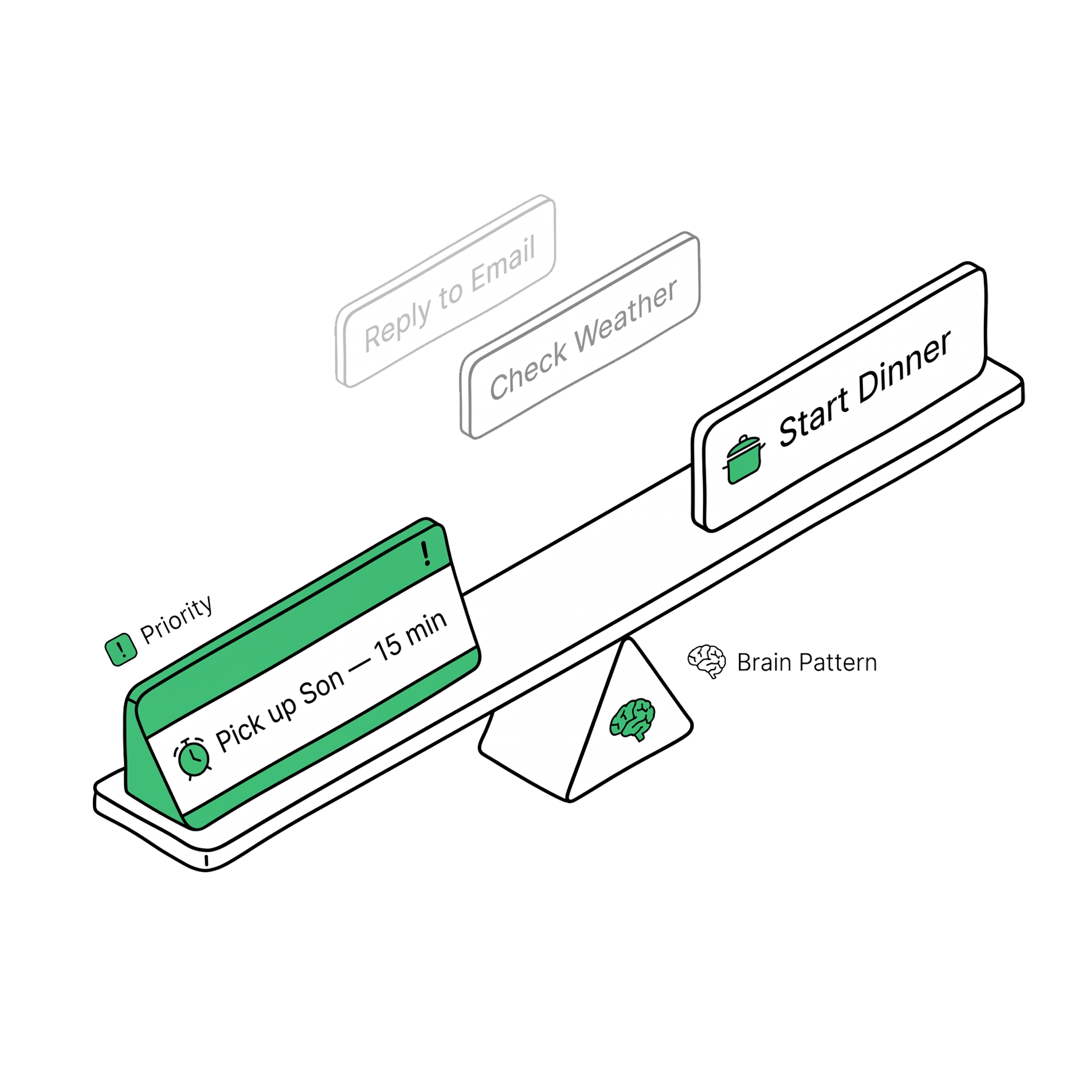
  • ④ Priority Weight — what wins when demands collide (time vs money vs safety)
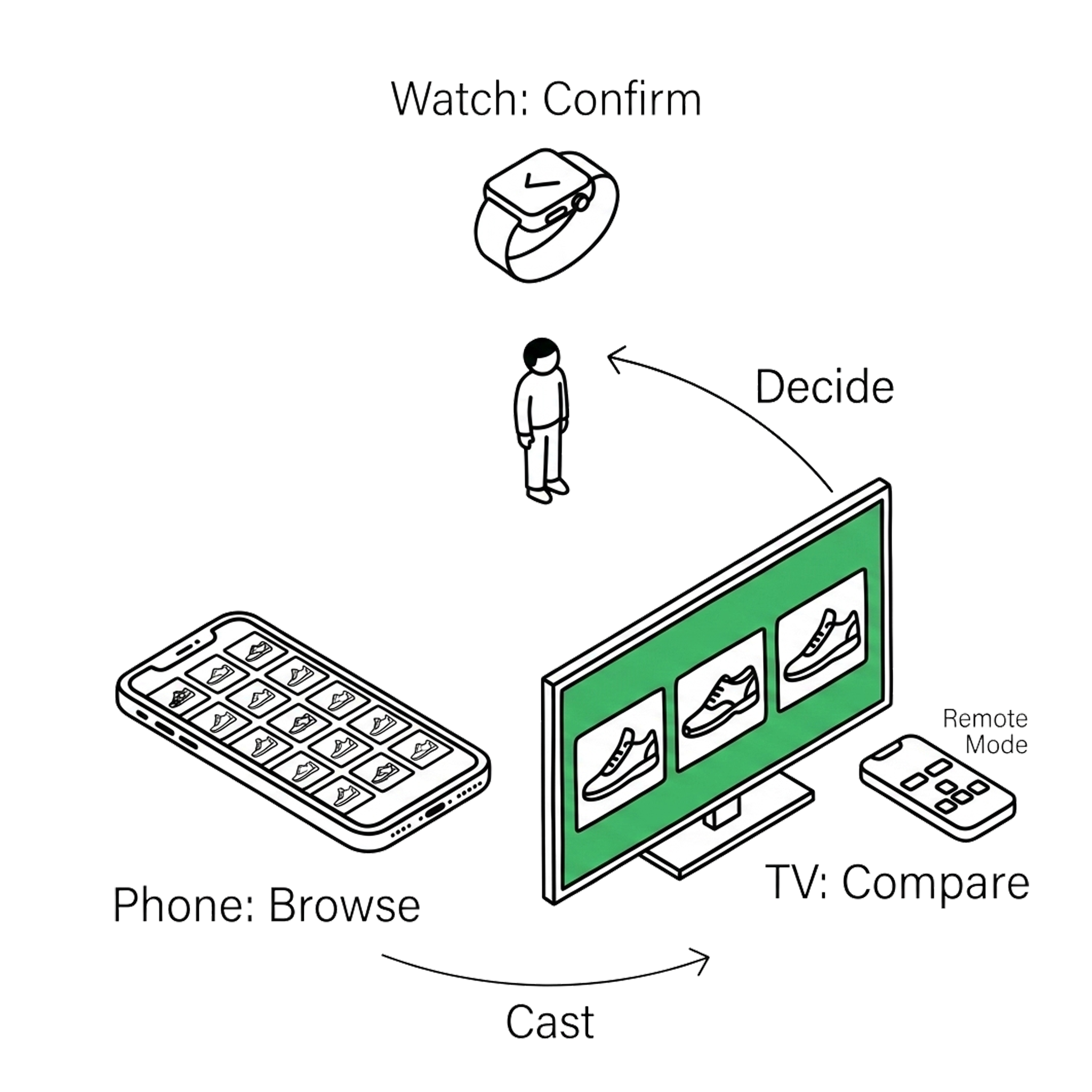
  • ⑤ Form Factor — which surfaces are available (watch / phone / TV / car)
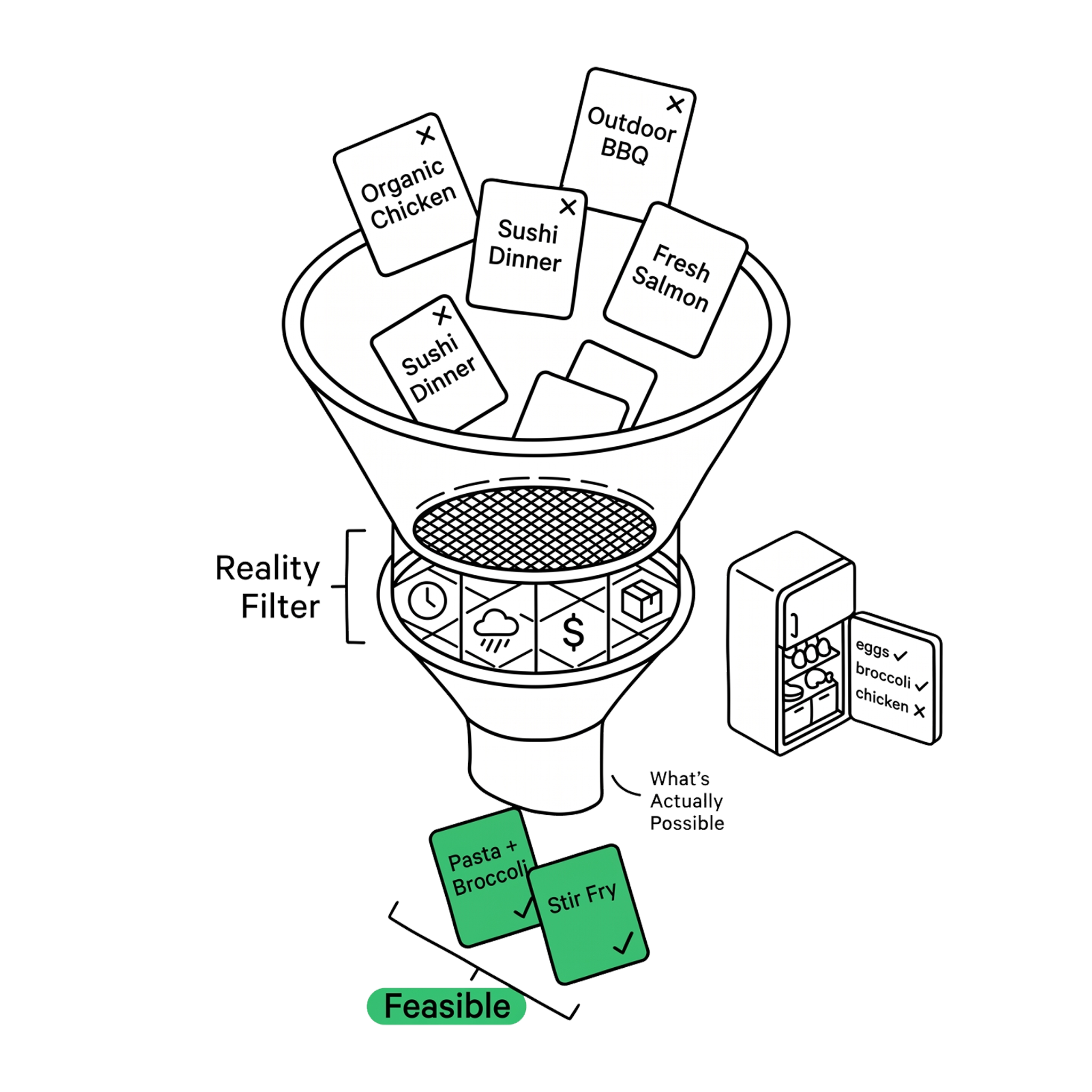
  • ⑥ Feasibility — what is actually possible right now (stock / time / distance)
+
Group B · 2 Relationship Dials
Relationship Dials

They decide the distance between person and AI. Three forces — service default, AI adjustment, user choice — shape both dials simultaneously.

  • ⑦ Autonomy Dial — how much can AI act on its own? (Suggest / Confirm / Notify / Auto)
  • ⑧ Disclosure Dial — how much does AI know about you? (per domain, per person)
Key distinction

Situation Tokens describe "you right now" — they change moment to moment. Relationship Dials define "you and AI" — they grow slowly over time. Instant situation + long-term relationship = AI behavior.

The 8 Tokens at a glance
Overview · Yamashiro Family

All 8 Tokens — the Yamashiro family's morning

Abstract definitions are forgettable. Here each Token is grounded in Mai (mother), Sota (age 11), and Hana (age 6) — a Tuesday morning. Star ratings reflect tech reality as of March 2026.

Physical State ★★★★☆
What the body is doing right now — walking, driving, sitting still, exercising.
Yamashiro · 07:45 Mai is sprinting to the station. Her Watch reads speed 6 km/h, heart rate 110. AI suspends all notifications — unreadable in motion.
Cognitive Load ★★☆☆☆
How much mental bandwidth is left. Cannot be measured directly — estimated from time × calendar × recent activity.
Yamashiro · 07:02 Mai is making two lunches while packing Hana's nursery bag. AI estimates overload. The fridge screen shows one line: "yesterday's leftovers + tamagoyaki." No tap required.
Social Exposure ★★★★☆
Who else is seeing or hearing this right now — alone / family / colleagues / public. The most fully shipped Token.
Yamashiro · meeting Mai mirrors to the conference room TV. AI removes household finance notifications instantly. "Other people can see this screen."
Priority Weight ★★★☆☆
Competing demands — what wins right now? Time vs money vs health. Collision resolution, not just importance ranking.
Yamashiro · evening Sota's tutoring session is delayed. Mai's Brain has learned "weekdays: time > meal quality." AI suggests frozen stock for dinner + picks up at 19:50.
Form Factor ★★★★☆
Which surfaces AI can reach right now — Watch / Phone / Tablet / TV / Fridge / Car / Voice / Ambient.
Yamashiro · same information On Mai's Watch: "pick up 19:00." On the fridge: the whole family timeline expands. On CarPlay: voice reads "pick up at 7 pm."
Feasibility ★★★☆☆
Is this actually possible right now? Stock, time, distance, weather, budget — any missing constraint means no.
Yamashiro · dinner AI was about to suggest curry. No onions in the fridge + rain outside → switches proposal to "pasta from what's here."
Autonomy Dial ★★★☆☆
How much can AI act on its own? Suggest → Confirm → Notify → Auto. Shaped by three forces: service default × AI adjustment × user choice.
Yamashiro · stakes vary Sota's shoes $48 (consumable, low risk) = Auto. Family hotel $400 = Confirm. Mai's surgery consent = Suggest (never automated — Identity Layer declaration).
Disclosure Dial ★☆☆☆☆
How much does AI know about you — per domain, per person. Prerequisite for Autonomy (Hidden × Auto is logically impossible).
Yamashiro · privacy Mai discloses "household finances" to AI (Full) but keeps "health checkup results" Hidden. AI can optimize grocery spend but never touches diet recommendations tied to her cholesterol.
Reading the stars

★★★★☆ = shippable today — sensor APIs or OS hooks exist. ★★☆☆☆ = estimation only — no direct measurement. ★☆☆☆☆ = concept stage — no cross-domain API exists yet. Writing "Cognitive Load is measurable" would be dishonest. Context Grammar states what is real.

Per-token deep dive
Technical Detail

8 Tokens — mechanism level

Each Token's mechanism (how it is computed), signal sources (which Layer of the Brain supplies it), concrete Yamashiro example, projection rule, and forbidden patterns.

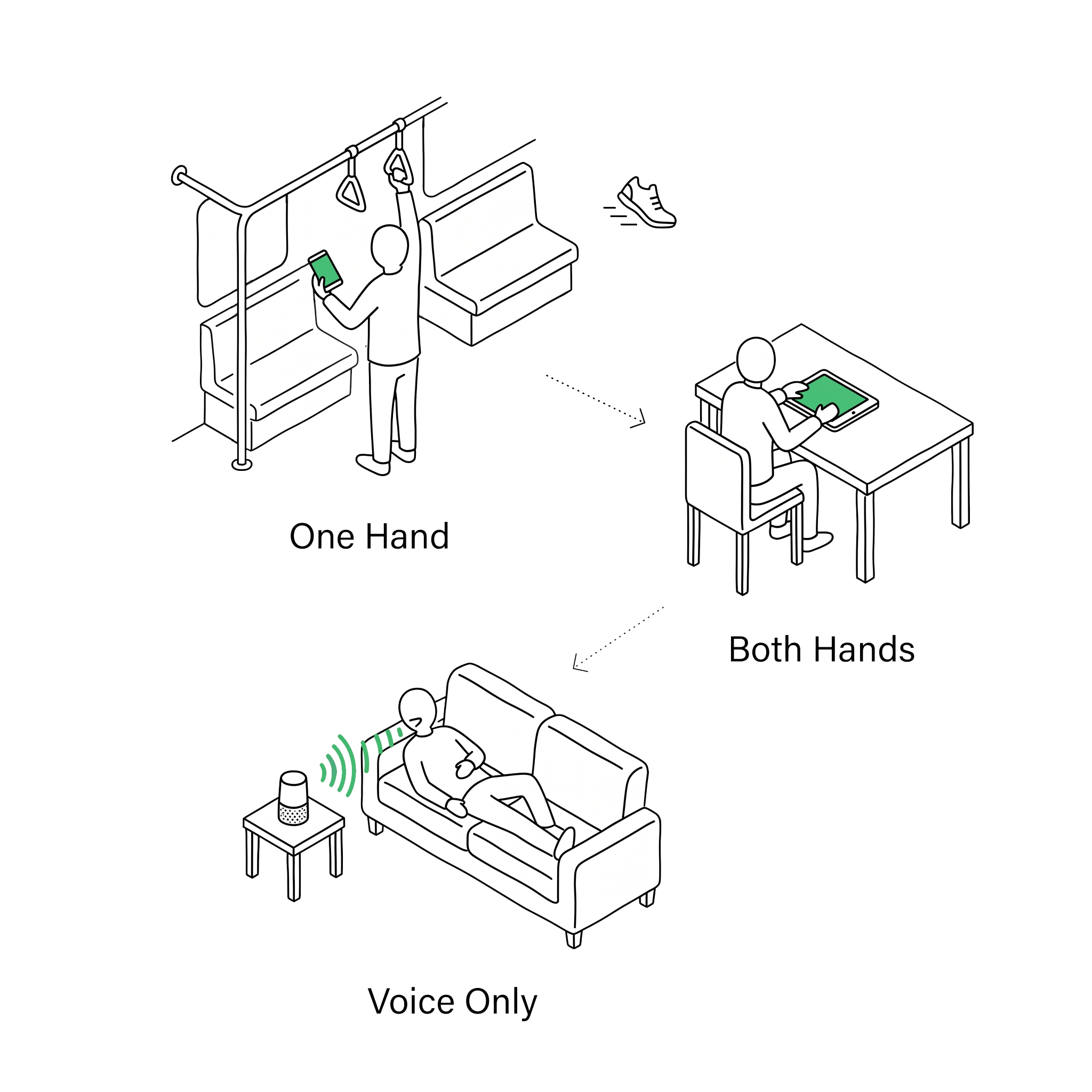
Physical State "Are they rushing or relaxed?" ★★★★☆ Mostly shipping
Isometric figure in motion — walking, driving, sitting states mapped to design responses
Definition
What the body is doing right now — walking, running, driving, sitting still, sleeping, exercising. The first axis that affects design decisions: if physical state cannot be read, AI cannot change form before content.
Mechanism
Activity Recognition API (iOS / Android) classifies walking / running / driving / still. Galaxy Watch / Apple Watch adds heart rate, stress index, sleep debt. Multiple signals are compressed into one "state" value that drives design decisions — show or suppress, voice or screen.
Signal sources
  • Now LayerAccelerometer, heart rate, gyroscope, CarPlay / Android Auto connection state
  • Learning LayerPattern: "Mai always sprints to the station between 7:30–7:50 on weekdays"
  • Identity LayerPhysical constraints — chronic conditions, post-surgery, pregnancy
Concrete example
07:45 — Mai is sprinting to the station. Watch reads speed 6 km/h, heart rate 110. AI suspends all notifications. The 19:00 tutoring reminder is rescheduled for "after she sits on the train."
Saturday morning, sofa, heart rate 65 — AI surfaces the family calendar suggestion on the phone.
Projection rule
When state is "unreadable," default to caution. Running or driving → switch notifications to voice, or suppress entirely. Change form first, then think about content.
Forbidden
Forbidden: Sending a long rich notification to someone running. Showing a confirmation dialog requiring screen interaction while driving. Designing as if "ring = delivered."
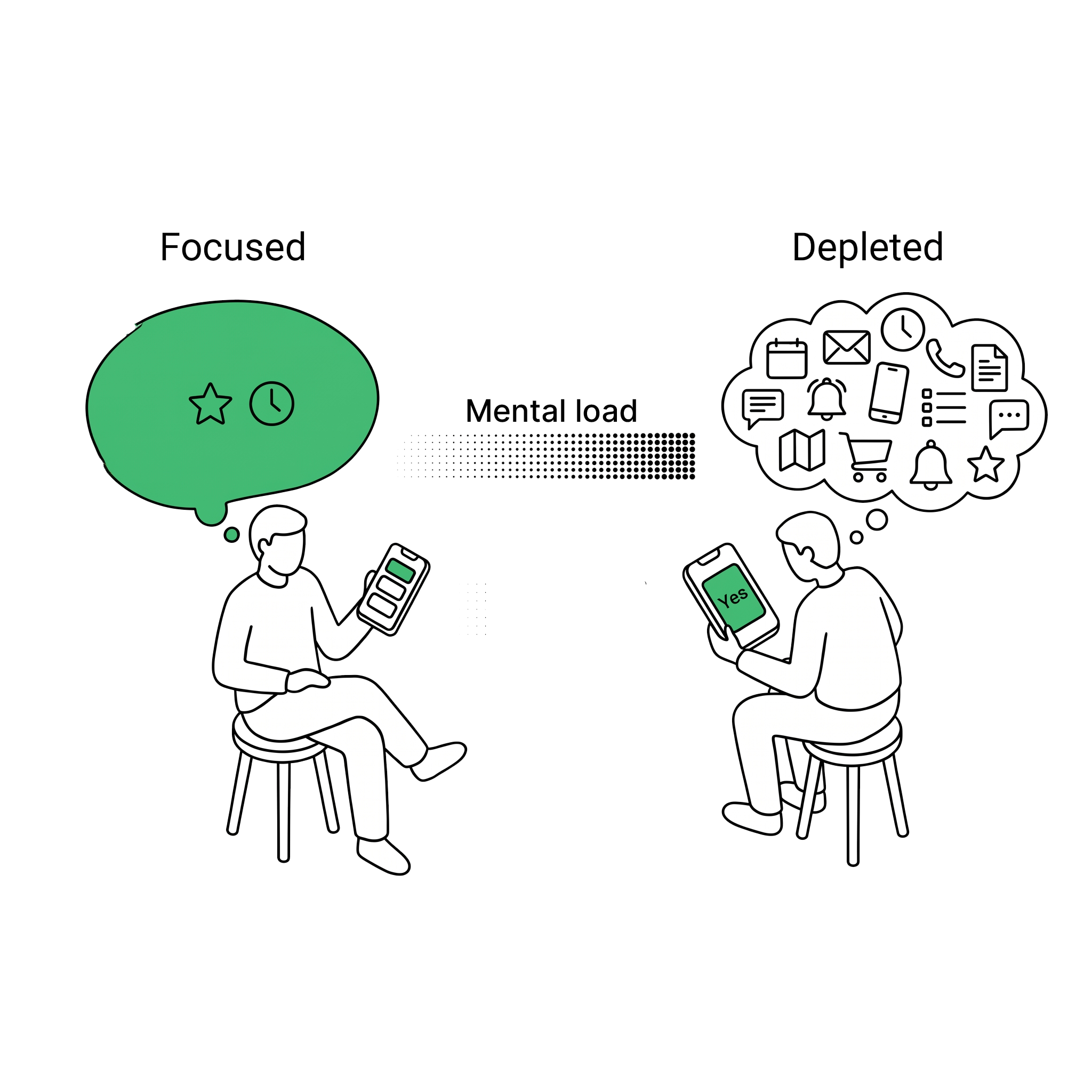
Cognitive Load "How much mental bandwidth remains?" ★★☆☆☆ Estimation only
Mental bandwidth meter — low, medium, high load affecting UI complexity decisions
Definition
Remaining cognitive bandwidth — how busy the brain is. Cannot be measured directly. No EEG, no brain scanner. Context Grammar must estimate it from observable proxies. This is the Token that demands the most honesty.
Mechanism
Time of day × calendar density × app-switch count in the last 10 minutes × behavioral history. Multiple proxies are weighted and averaged into 3–5 density levels (minimal / low / medium / high / overload). Always carry the metadata "this is an estimate."
Signal sources
  • Now LayerCalendar fill at 15-min granularity, recent task completions, screen-switch frequency
  • Learning LayerPattern: "weekday mornings 7:00–7:30 are always overload" — plus manual override history ("No, I'm free")
Concrete example
Weekday 07:02 — Mai is making two lunches while packing Hana's nursery bag. AI estimates density:overload. The fridge screen shows one line: "yesterday's leftovers + tamagoyaki." No tap required.
Saturday 10:00 — same Mai, density:low → full recipe suggestion with photos is appropriate.
Projection rule
High / overload: one screen, one decision. Never present three or more choices. Unlock exploration and learning-type suggestions only when load is low. When AI guesses wrong, the user must be able to override with "No, I'm free" — without that UI, AI appears to be pretending to understand.
Forbidden
Forbidden: UI that asserts "you are currently in high load." Behaving as if cognitive state was measured (rather than estimated). Multiple-choice dialogs during overload. Omitting graceful fallbacks.
Honest Design Note

Cognitive Load is the most speculative of the 8 tokens. No direct measurement exists today. Design decisions that rely on this token must always include graceful fallbacks — and must never claim more certainty than the estimation provides.

Social Exposure "Who else is watching?" ★★★★☆ Mostly shipping
Person surrounded by different audience contexts — alone, public, with colleagues
Definition
Who is currently seeing or hearing this screen and audio — alone / family / colleagues / general public (café, train). Of the 8 tokens, this is the most fully shipped.
Mechanism
Bluetooth / Wi-Fi proximity detects nearby devices. Voice ID distinguishes family members (Samsung Family Hub supports up to 6 profiles). Mirroring state (AirPlay / Cast / DeX) read from OS. On-device Vision estimates headcount where available.
Signal sources
  • Now LayerNearby devices, Voice ID match, mirroring ON/OFF, screen-share active
  • Identity LayerRelationship map — "family," "colleague," "friend" — gives meaning to who is nearby
Concrete example
Mai mirrors to the conference room TV — AI removes household finance notifications, delays the tutoring cost discussion until 19:30. When Voice ID detects Sota in the living room, the "birthday surprise for Sota" plan on Mai's phone hides automatically.
Projection rule
Audience changes the filter, not the content itself. Colleagues present → suppress household domain. Child present → hide surprise. This token multiplies with the Disclosure Dial's per-domain settings.
Forbidden
Forbidden: Displaying amounts, passwords, or health data while screen-sharing. Broadcasting personal-scope notifications to everyone on a family device. Assuming "same person as always" without Voice ID confirmation.
Priority Weight "When demands collide, what wins?" ★★★☆☆ Partially shipping
Competing demands on a balance scale — urgent vs. important collision resolution
Definition
When multiple desires collide — speed vs cost vs health vs family — what wins right now? Not a simple importance ranking: a tradeoff judgment made at the moment of collision.
Mechanism
Two-layer structure. Layer 1 = immediate urgency (from the Now Layer — calendar immediacy, notification type, deadline). Layer 2 = learned tradeoff patterns (from the Learning Layer — "Mai prioritizes time over meal quality on weekdays"). Rule Engine multiplies both.
Signal sources
  • Now LayerCalendar priority, flagged emails, notification importance, time to deadline
  • Learning LayerPast collision resolutions — "what did she give up in the same situation?"
  • Identity LayerNon-negotiable axes — allergy beats taste beats price; child safety beats work schedule
Concrete example
Sota's tutoring delayed → dinner early or pick up first? Learning Layer: "weekdays: time > meal quality." AI suggests frozen-stock dinner + station pickup at 19:50.
Second example: meeting starts in 5 min + school phone call about allergy → Identity Layer wins — "one minute late to the meeting."
Projection rule
AI does not decide weights unilaterally. It proposes based on learning history. When the user overrides, that choice is written back to the Learning Layer. Identity Layer axes (safety, health) always beat learned patterns — no exceptions.
Forbidden
Forbidden: Asking users to rank priorities 1–5 every session. Letting learned patterns override Identity Layer axes (allergies, medical history).
Design Note

Priority Weight has two layers: current urgency (this token, changes moment to moment) and learned tradeoff patterns (stored in the Brain, accumulates over time). The token captures what is pressing right now. The Brain remembers how similar collisions were resolved before.

Form Factor "What surfaces surround them?" ★★★★☆ Mostly shipping
Device family grid — phone, watch, TV, car dashboard with different capability levels
Definition
The set of surfaces AI can currently reach — Watch / Phone / Tablet / TV / Fridge / Car, and Voice-only / AR / Ambient. Not just about screens.
Mechanism
OS maintains current device state + Continuity / DeX / CarPlay / Cast connection status. When multiple surfaces are active simultaneously, AI selects the optimal surface per content type (dynamic multi-surface allocation). Voice / Gesture / Ambient are treated as surfaces.
Signal sources
  • Now LayerConnected devices, screen size, input modality, CarPlay / AR active state
  • Identity LayerOwned devices, primary surface ("Mai always wears her Watch")
Concrete example
Same information — family schedule — surfaces differently: Watch shows "pick up 19:00" (one line). Fridge shows the full family timeline. CarPlay reads "pickup at 7 pm" in voice only.
Voice-only via earbuds: every confirmation is compressed to "Yes / No."
Projection rule
Surface changes → information density changes. Watch = 1 line. Phone = paragraph. Tablet / TV = parallel columns. Voice = one question at a time. Same information, different representation per surface — that is the Form Factor contract.
Forbidden
Forbidden: Shrinking the Phone UI directly onto the Watch. Reading full-length text aloud on a voice-only surface. Treating "responsive web" as sufficient and ignoring Ambient / Voice surfaces entirely.
Feasibility "What's actually possible right now?" ★★★☆☆ Partially shipping
Traffic light signal — what AI can and cannot do right now in this context
Definition
Is the desired action actually executable right now? Stock, time, distance, weather, money, human resources — any missing constraint makes it impossible. The goal is not "no" — it is "what can be done instead?"
Mechanism
Individual feasibility from each domain API (inventory / delivery ETA / weather / store hours / account balance) → multiple constraints combined into one feasibility score → if blocked, Substitution Mode (Exact / Flexible / Exploring / Surprise) generates alternatives.
Signal sources
  • Now LayerInventory API, weather API, delivery ETA, store hours, account balance
  • Learning Layer"What did she substitute when the usual item was out?" → Substitution Mode learning
Concrete example
AI was about to suggest curry for dinner — but no onions in the fridge, rain outside → proposal switches to "pasta from what's here."
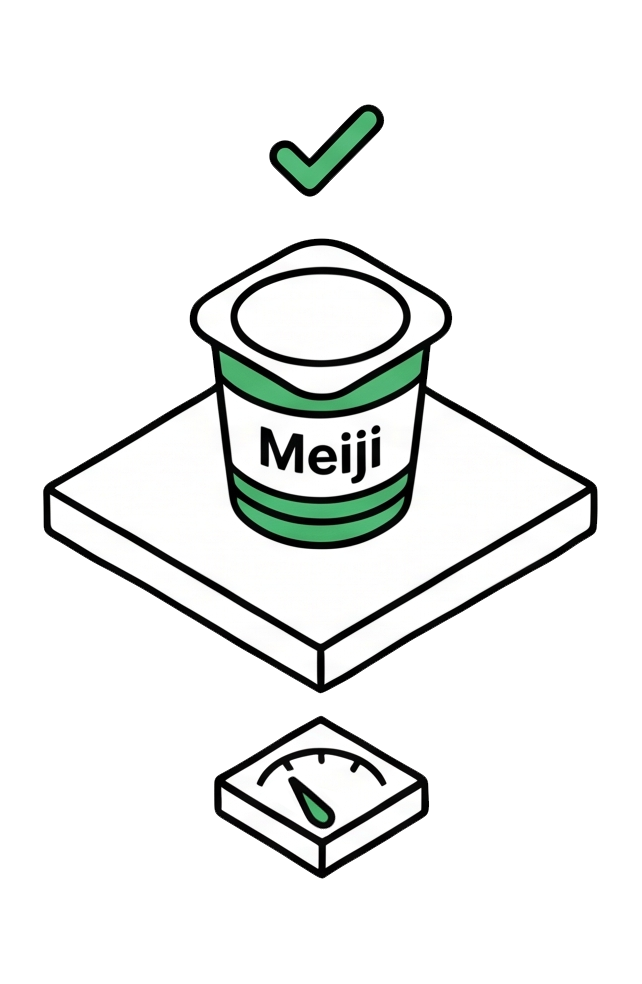
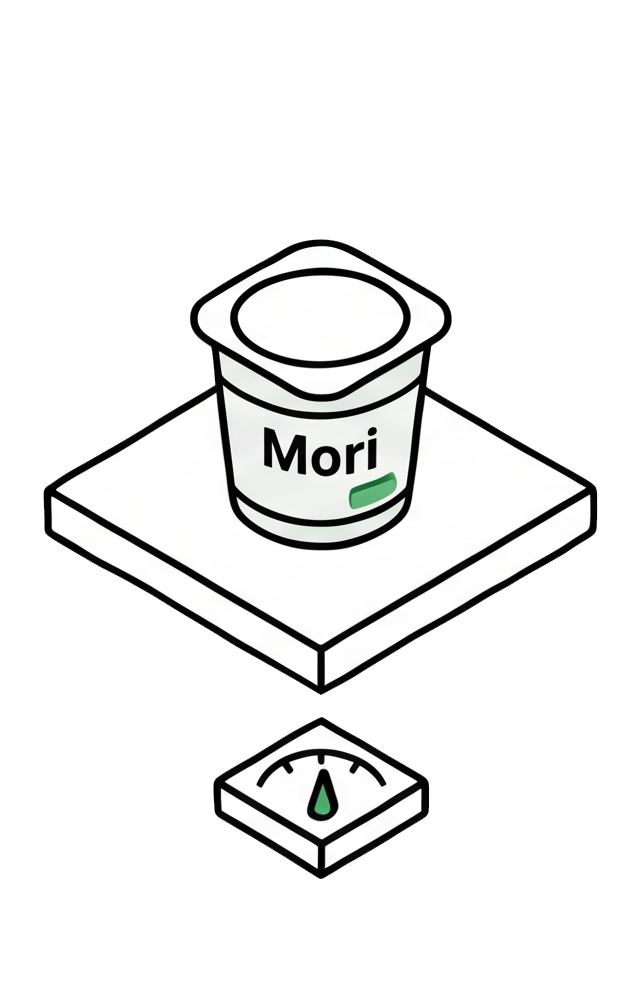
Second example: Mai orders Meiji Bulgarian yogurt but it is sold out. Substitution Mode Flexible → AI silently swaps to another Bulgarian-style yogurt. Mode Exact → AI reports "unavailable today."
Projection rule
Never end with "impossible." Always attach 1–3 alternatives. Feasibility and Substitution Mode are always implemented together.
Forbidden
Forbidden: Ending the response with "out of stock" and nothing more. Saying "doable" based on one constraint while missing others (rain + closing time + child in the car). Substituting outside Exact mode without disclosure, destroying trust.
Substitution Modes

When Feasibility blocks the original request, the Substitution Mode governs what AI proposes instead. Four modes — increasing AI latitude from left to right.

Exact → Flexible → Exploring → Surprise — increasing AI latitude
Exact mode — strict match only Exact
Flexible mode — close enough substitute Flexible
Exploring mode — AI suggests something new Exploring
Surprise mode — AI delights with an unexpected choice Surprise
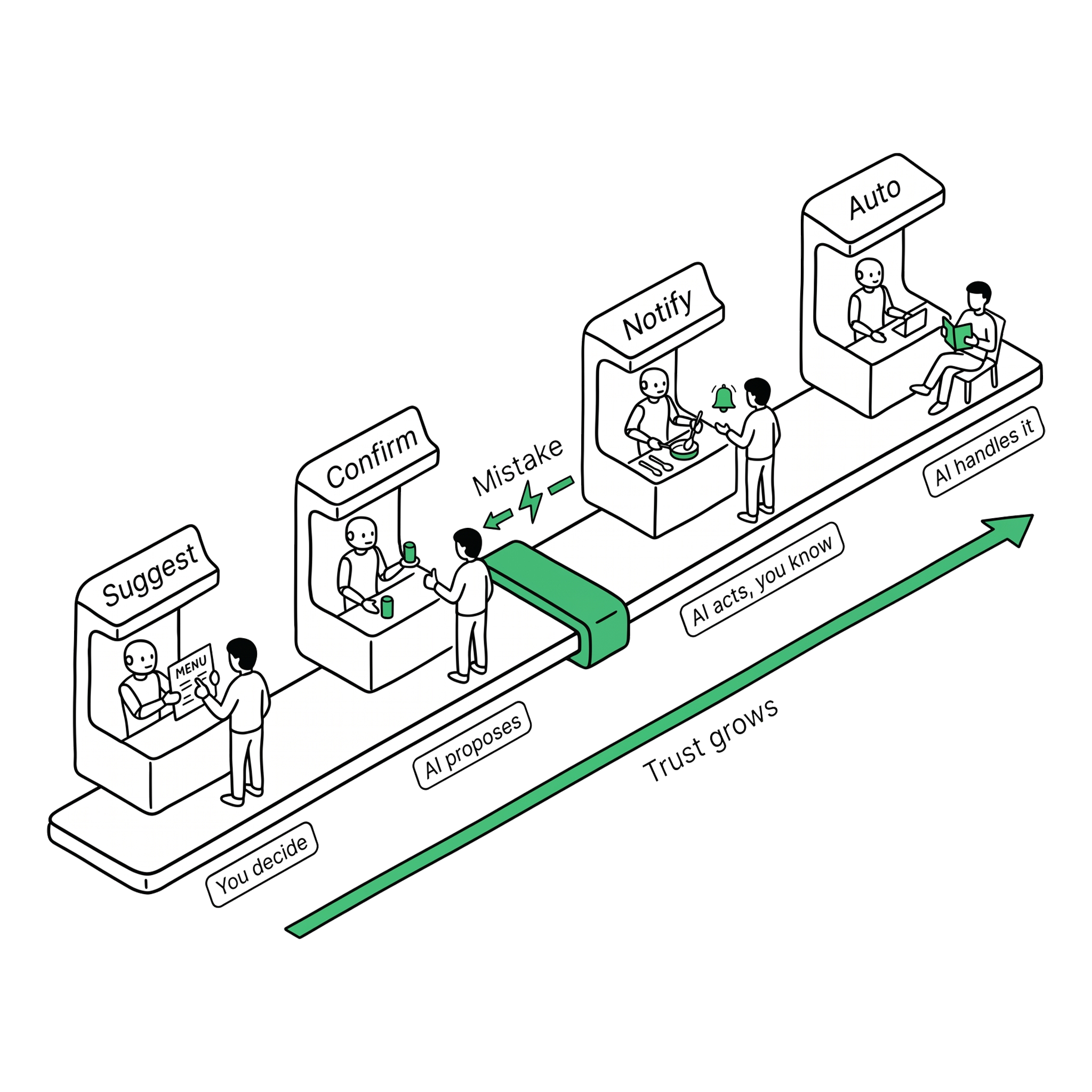
Autonomy Dial "How much can AI act on its own?" ★★★☆☆ Shipping in dev tools
Four-stage dial from Suggest to Auto — trust building through track record
Definition
How far AI can act without asking. Suggest → Confirm → Notify → Auto. This is not a toggle the user sets freely — it is the result of three forces acting together.
The 4 stages
Stage 1
Suggest
Stage 2
Confirm
Stage 3
Notify
Stage 4
Auto

Suggest — AI shows options, user chooses.  |  Confirm — AI decides, user approves before execution.  |  Notify — AI executes, reports after.  |  Auto — AI executes silently.

Mechanism
Three forces determine one dial value:
Service default — Netflix recommendations already ship at high Autonomy
AI adjustment — lowers the default late at night, first-time use, or after a failure
User's active change — explicitly moves the slider
Each domain (finances / health / work / parenting) holds its own independent dial.
Signal sources
  • Now LayerTransaction size, reversibility, urgency
  • Learning LayerPast AI proposal success rate, user intervention history → trust score
  • Identity Layer"Never automate this domain" declarations (medical consent, major contracts)
Concrete example
Sota's shoes $48 (consumable, low risk, same model as last time) = Auto. Family hotel $400 = Confirm. Mai's surgery consent = Suggest — never automated, Identity Layer declaration.
Projection rule
Always start at Suggest. Advance one stage at a time as the track record (success / failure history) builds. When a failure occurs, drop one stage. Domains declared "never automate" in the Identity Layer are locked — no track record, however perfect, changes this.
Forbidden
Forbidden: Shipping with a single "AI automation ON / OFF" toggle. Starting at Auto on first use. Keeping the dial at high Autonomy after a failure. Raising Autonomy while Disclosure is still Hidden (see Token ⑧).
Key Insight

The Autonomy Dial is not purely user-controlled. Three forces shape it: service default, AI adjustment, and user choice. Uber Eats does not ask permission for reorders because the service default already assumes high Autonomy. The full three-force model is covered in Trust Design →

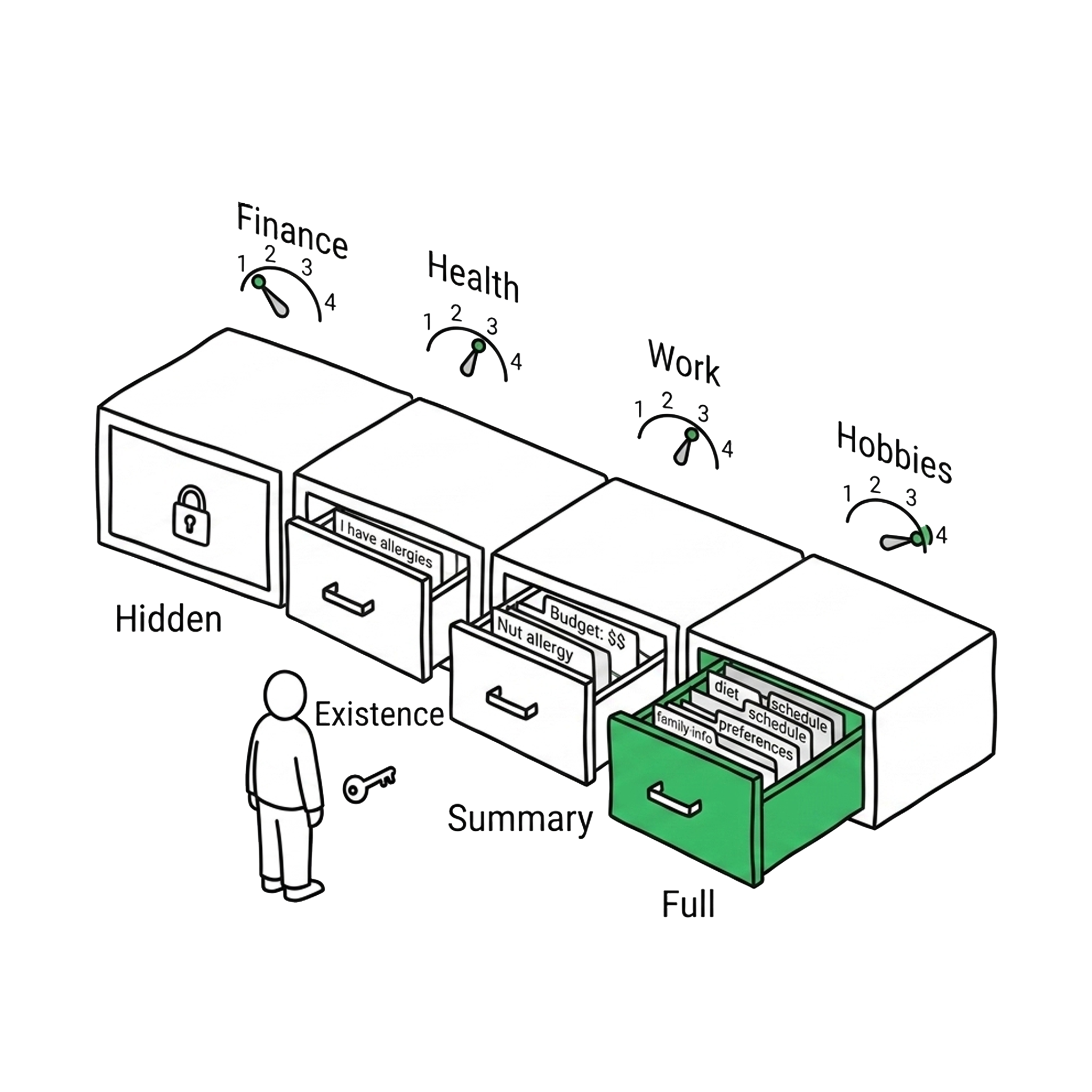
Disclosure Dial "How much does AI know about you?" ★☆☆☆☆ Concept stage
Privacy control panel — per-domain disclosure settings with lock icons
Definition
How much the user discloses to AI about themselves — per domain × per person, independently. The logical prerequisite for Autonomy: Hidden × Auto is not a conservative choice — it is a contradiction.
The 4 levels
Level 1
Full
Level 2
Summary
Level 3
Existence
Level 4
Hidden

Full — all data disclosed.  |  Summary — aggregates only, no raw logs.  |  Existence — "this domain exists" but nothing more.  |  Hidden — AI does not know this domain exists.

Mechanism
Domain (finances / health / work / parenting / relationships / hobbies) × Recipient (AI / family / colleagues / friends / public) → matrix. Each cell takes one of the 4 levels. Implemented as an OS-level unified dial — not per-app permission toggles.
Signal sources
  • Identity LayerDeclarative settings — "household finances: Full to spouse, Hidden to children, Hidden to colleagues"
  • Learning LayerPast manual privatization history — "she hid this type of content before"
Concrete example
Mai discloses "household finances" to AI (Full). "Health checkup results" are Hidden.
AI can optimize grocery spend, cannot make diet recommendations tied to her cholesterol levels.
Finances can be set: Full to husband, Hidden to children, Hidden to colleagues — each independently. This structure does not exist in any current OS.
Projection rule
Domains where Disclosure is Hidden must not have Autonomy set to Auto (you cannot delegate what you have not disclosed). If Autonomy demands Auto, the UI must first surface a Disclosure upgrade prompt. Disclosure → Autonomy is a one-way prerequisite.
Forbidden
Forbidden: "Privacy settings ON / OFF" as a binary toggle. Allowing the Hidden × Auto combination in the UI. Using data internally under the label "learning" without explicit consent.
Key Insight

Disclosure is the prerequisite for Autonomy. You cannot say "don't tell AI anything about me" and expect "handle everything automatically." That combination is logically impossible — and dangerous. The Disclosure Dial must open before the Autonomy Dial can advance.

How Tokens Combine

No token works alone — they multiply

A single token never fully determines AI behavior. Two scenarios from the Yamashiro family show how 3–5 tokens interact to produce a single concrete decision.

07:02 — Mai stops in front of the fridge

— Yamashiro family · Tuesday morning

Combo 1 — "What should I put in the bento?" 3 tokens × 1 dial
  • ② Cognitive Load07:02 weekday morning = overload (calendar density + weekday pattern)
  • ① Physical StateStanding, both hands occupied
  • ③ Social ExposureFamily only (private scope)
  • ⑦ Autonomy DialMorning food = Auto-suggest (display proposal, no confirmation needed)
→ Decision: fridge screen shows one line — "yesterday's leftovers + tamagoyaki." No tap required.
Combo 2 — "Should I surface the tutoring-cost discussion now?" 3 tokens × 2 dials
  • ③ Social ExposureIn a meeting, screen-share ON (colleagues can see the screen)
  • ⑤ Form FactorMacBook, mirrored to conference room TV
  • ⑥ FeasibilityFinancial discussion not urgent — can wait until evening
  • ⑧ Disclosure DialHousehold finances = Hidden to colleagues
  • ⑦ Autonomy DialFinancial notifications = Notify level (must be confirmed)
→ Decision: notification suppressed. Re-surfaces at 19:30 when Mai is alone.

Key observation: The same "tutoring cost notification" is entirely different depending on timing and location. No single token decides this — the 8 tokens multiply to determine "should this appear, right now?"

Live · runs in your browser

Stop reading. Start combining.

Try setting all 8 tokens yourself. The simulator shows which AX Patterns fire, which design rules apply, and whether the Autonomy × Disclosure combination is even logically valid — instantly, as you change inputs.

Open Simulator →
Tokens × Brain

Tokens draw from multiple Brain Layers

Each Token is not a single sensor reading — it is the output of multiple memory Layers in the Context Brain working together. Understanding this multi-Layer origin is what separates a token-aware system from a simple rule-engine.

How the Layers supply each Token

Every Brain — whether a personal Context Brain or an enterprise brain — has three Layers: Identity Layer (what doesn't change), Learning Layer (what accumulates), and Now Layer (what's in flux right now). Tokens draw from whichever Layers are relevant.

Priority Weight is the clearest example: current urgency (Now Layer) + learned tradeoff patterns (Learning Layer) + absolute principles (Identity Layer). All three Layers contribute one compound reading. Physical State draws mainly from the Now Layer. Disclosure Dial draws mainly from the Identity Layer.

Why this matters for design

Brain stores memory. Token captures the moment. Rule Engine makes the judgment — all three are required for AI to behave with genuine judgment rather than reflex. When AI explains a decision, it can reference the exact Layer that supplied each signal: "I postponed the notification because your Learning Layer shows meetings end at 10:00."

Why 8 Not 7

From 7 to 8 — Disclosure as a first-class citizen

Context Grammar began with 7 tokens. In early 2026, Disclosure Dial was promoted to an independent token — making privacy a first-class design primitive, not an afterthought inside Social Exposure.

Dimension 7-Token era 8-Token era (current)
Privacy Embedded inside Social Exposure (ambiguous) Disclosure Dial as independent token (explicit)
Autonomy relationship Implicit assumption "Hidden × Auto is impossible" formalized
Per-domain control Not possible Finances / Health / Work / Parenting disclosed separately
Per-person control Not possible Family sees Full; colleagues see Hidden
Dial count 1 dial (Autonomy only) 2 dials (Autonomy + Disclosure as a pair)

The core argument: Autonomy Dial (how much to delegate) and Disclosure Dial (how much to share) are paired. Telling AI nothing and asking it to handle everything is like giving instructions to an assistant who knows nothing about you — then expecting perfect results. Disclosure had to become a first-class token.

For Implementors

Tech reality + where to start

Claiming all 8 tokens are shippable today would be dishonest. Here is the 2026 state of each, and the recommended implementation order.

Token Reality Status One-liner
① Physical State★★★★☆Mostly shippingActivity Recognition + Watch sensors — implementable now
② Cognitive Load★★☆☆☆Estimation onlyNo direct measurement possible — proxy-based estimation
③ Social Exposure★★★★☆Mostly shippingVoice ID / proximity / mirroring — all readable today
④ Priority Weight★★★☆☆Partially shippingWithin-domain yes; cross-domain collision resolution is next
⑤ Form Factor★★★★☆Mostly shippingOS already holds this. Multi-surface delivery is the next wall.
⑥ Feasibility★★★☆☆Partially shippingIndividual APIs exist; combining multiple constraints is the gap
⑦ Autonomy Dial★★★☆☆Shipping in dev toolsClaude Code / Cursor have examples; consumer-facing is next
⑧ Disclosure Dial★☆☆☆☆Concept stageDomain × person matrix UI does not exist in any current OS

Recommended implementation order

1
Start with ③ Social Exposure and ⑤ Form Factor
Both rated ★★★★☆. The OS already holds this information — mirroring state, device type. Reading it is enough to implement "suppress household notifications during screen-share." The user experience shift is immediate.
2
Expose ⑦ Autonomy Dial as a 4-stage UI per feature
Suggest / Confirm / Notify / Auto, switchable per feature, not a single system toggle. Agent-based products are standardizing on this (Claude Code, Cursor). Pair the dial visually with Disclosure — "control both together" immediately creates a feeling of safety.
3
Build ⑧ Disclosure Dial as a domain × person matrix
Show a grid: finances / health / work / parenting × family / colleagues / friends / public. Let users pick Full / Summary / Existence / Hidden per cell. This single UI makes raising Autonomy feel safe — the user can see exactly what AI does and does not know.
4
Label ② Cognitive Load as an estimate in the UI
Since it is not measured directly, write it honestly — "busy mode (estimated)." Always include a user-override control: "No, I'm free." Without this, AI appears to pretend understanding — and trust collapses when it guesses wrong.
5
You do not need all 8 at once — 3–4 per scene is sufficient
A single decision rarely needs all 8. "Morning bento suggestion" needs ② + ① + ③ + ⑦. The rest stay at defaults. Designers choose which tokens are active per scene — not a global on/off switch for the entire system.
Q&A

Common questions answered

Q1. Are Tokens and the Brain the same thing?
No. A Token is the situation right now — a sensor reading. The Brain is long-term memory — accumulated knowledge. "Mai is in a meeting now" is a Token (the moment). "Tuesday mornings are always Mai's busiest" is the Brain (a pattern). The Rule Engine multiplies Token × Brain to determine behavior.
Q2. Can Cognitive Load really be measured?
Not directly. No EEG, no brain scanner. So it must be estimated: "weekday 7 am + packed calendar + 12 tasks completed in the last hour" → probably high. Stating this limit honestly is Context Grammar's position. Any framework that claims to measure Cognitive Load directly is technically incorrect.
Q3. Does the user set the Autonomy Dial themselves?
Not purely. Three forces determine it:
Service default — Netflix recommendations already ship at high Autonomy
AI adjustment — lowers default at night, on first use, after failure
User's active change — explicitly moves the slider
"The user decides from zero" is the old UI textbook assumption. Reality is a three-party composition.
Q4. Is the Disclosure Dial the same as existing privacy settings?
No — it is more granular. Existing privacy settings are ON / OFF binaries. Disclosure Dial is per domain × per person. For example: Mai sets "household finances" as Full to AI, Full to husband, Hidden to children, Hidden to colleagues — each independently. This matrix structure does not exist in any current OS.
Q5. Does each Token come from one Brain, or multiple?
Most draw from multiple Layers. Priority Weight is the sum of "current urgency (Now Layer)" + "learned tradeoff patterns (Learning Layer)" + "non-negotiable axes (Identity Layer)." In the Multi-Brain model, every Token carries a reference to "which Layer supplied this signal" — so AI can later explain why it made a decision.
Q6. What does having Tokens actually give you?
AI behavior becomes context-sensitive. Today's AI (ChatGPT, Siri) returns the same tone regardless of your situation. With Tokens, AI can: "Mai is in a meeting now — respond later" or "Sota is going to sleep — avoid bright colors." The difference between a thoughtful waiter and a mechanical diner server.

Now you know the vocabulary.
Next: how AI remembers.

Context Tokens describe the moment. The Brain remembers who you are across moments. Together, they give AI judgment — not just reaction.

Explore the Brain → See the 23 AX Patterns → Trust Design →

← Back to Overview