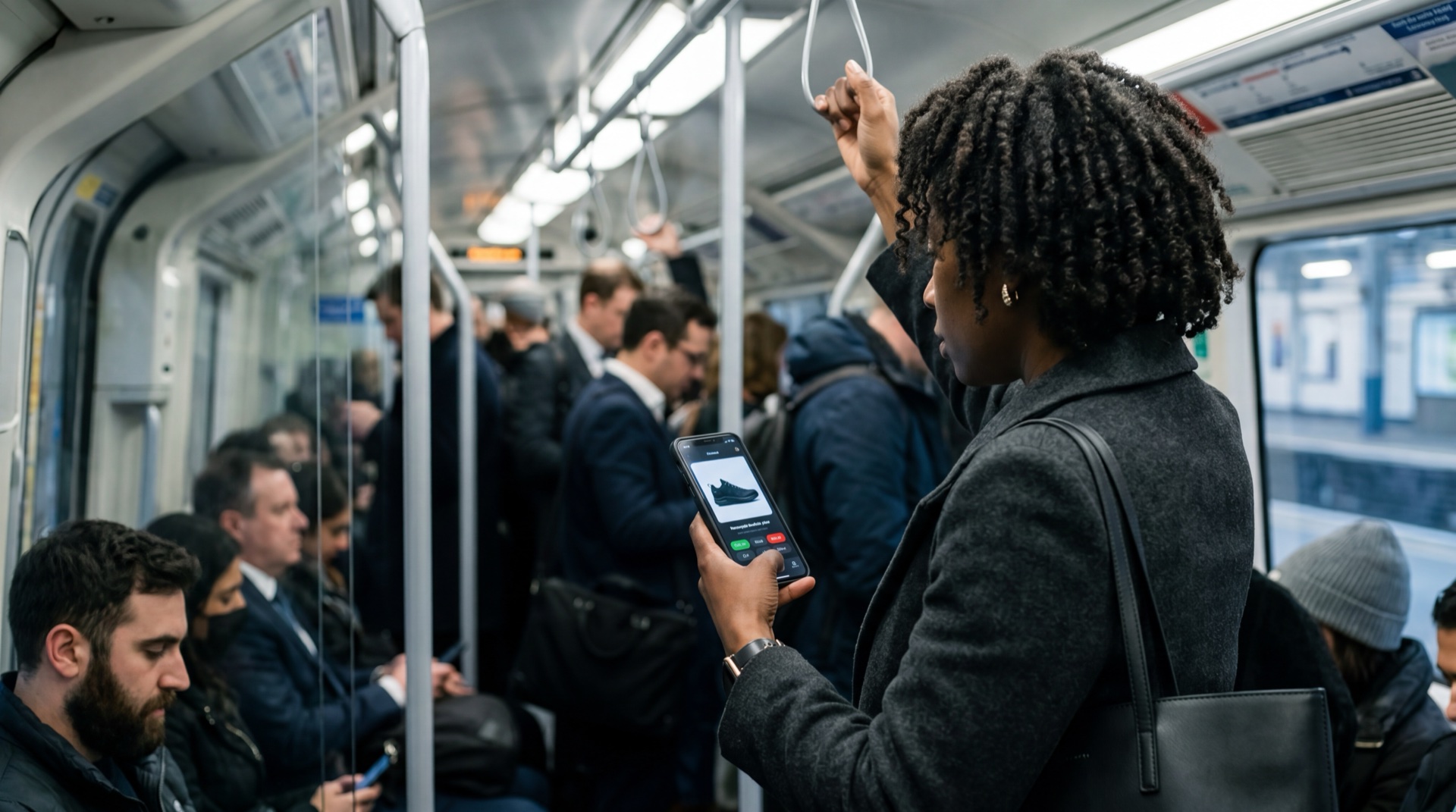
Project 03 · Fluid Handoff
From the rail
to the remote.
One thumb. Four screens. One quiet day.

The last time Naomi did this, she did it at 10 p.m. with a cold cup of tea and her laptop on her knees. Amazon, JD Sports, Nike, Zappos, Schuh. A hand-typed comparison in a Google doc.
Marcus's trainers arrived too narrow. She sent them back. Amara's pair she never even started. That night she closed the laptop and said aloud to no one: "I have to do this twice?"
2h 14m · 12 tabs · 1 of 2 children · 1 return
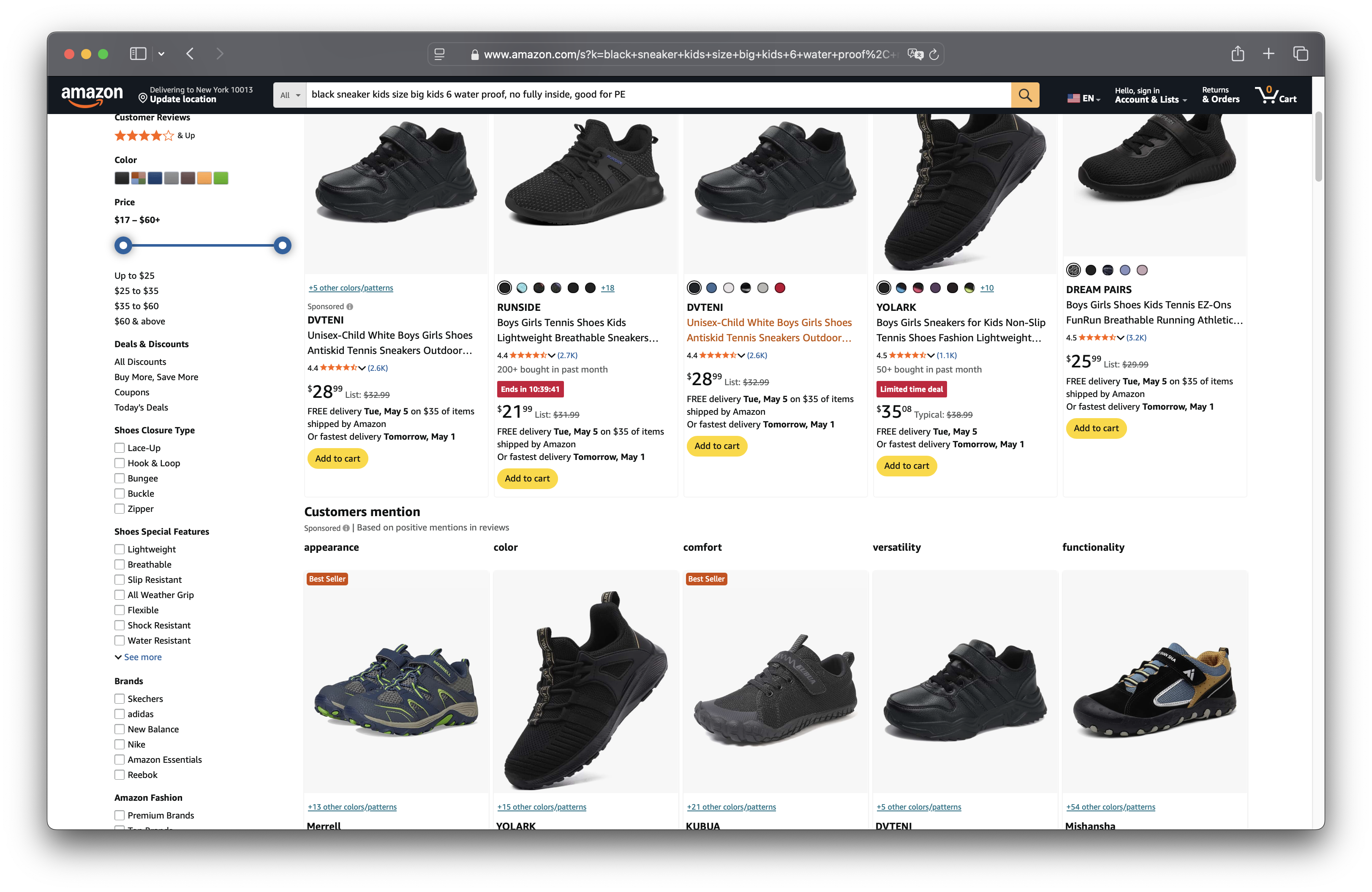
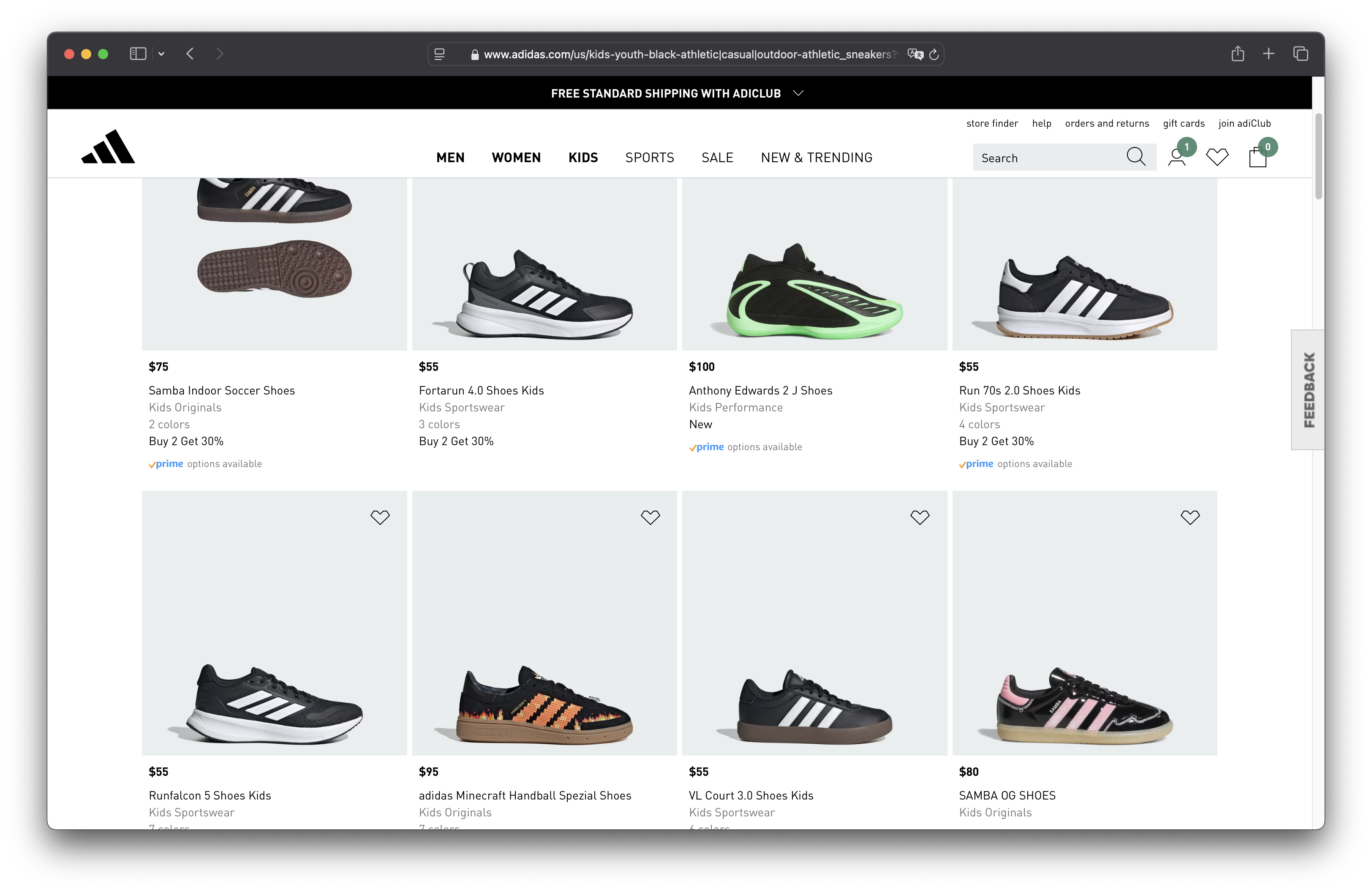
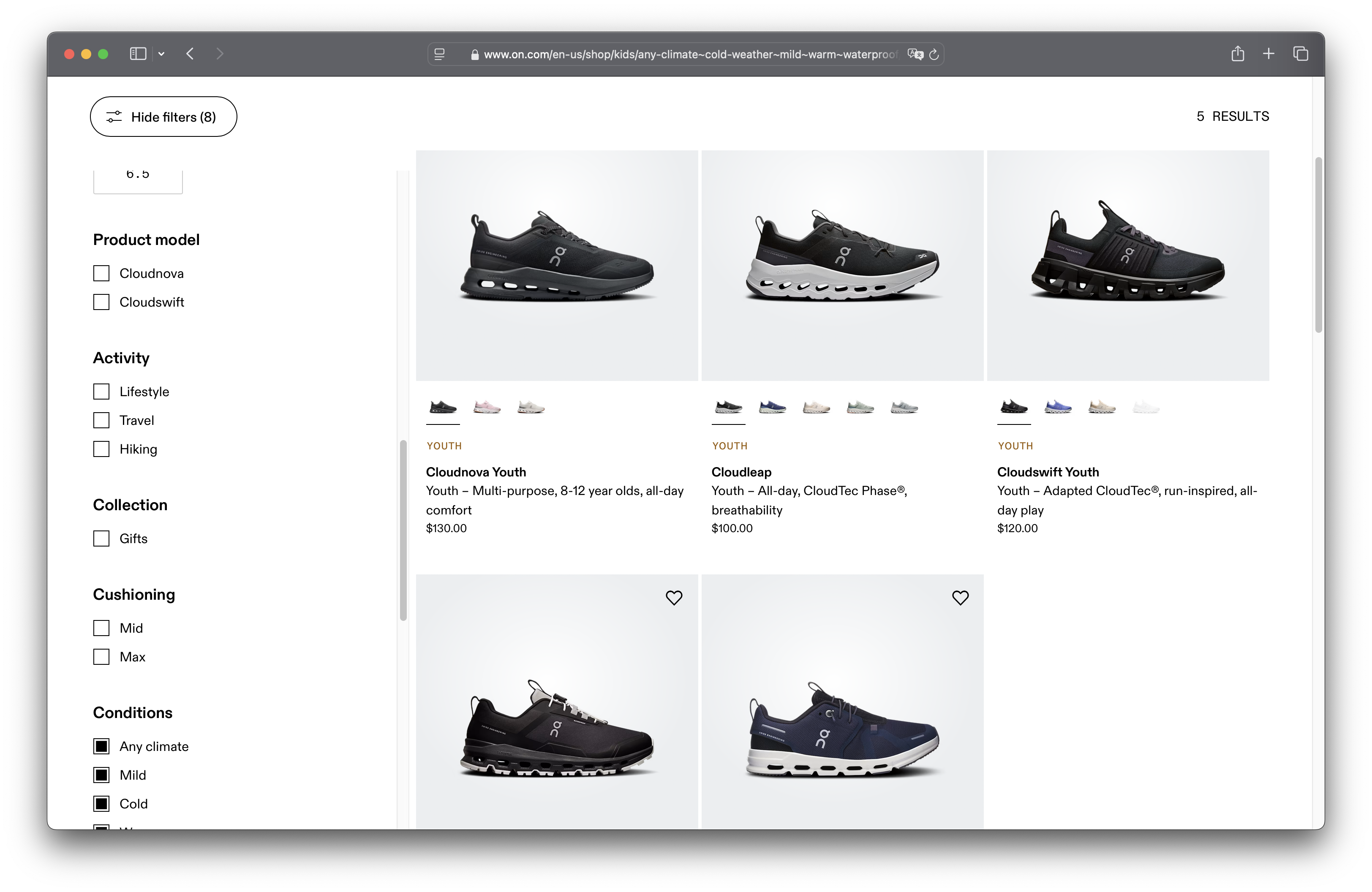
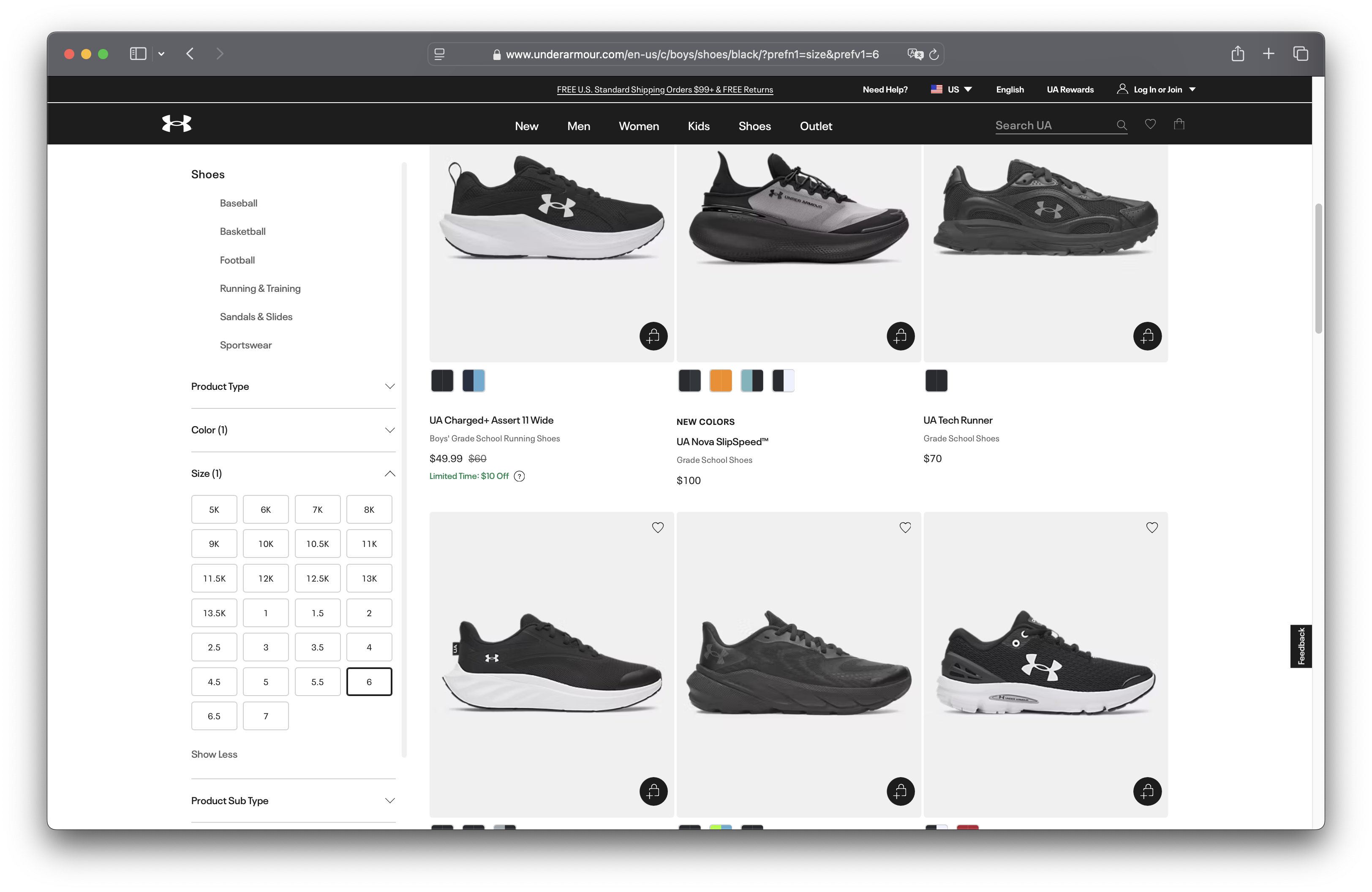
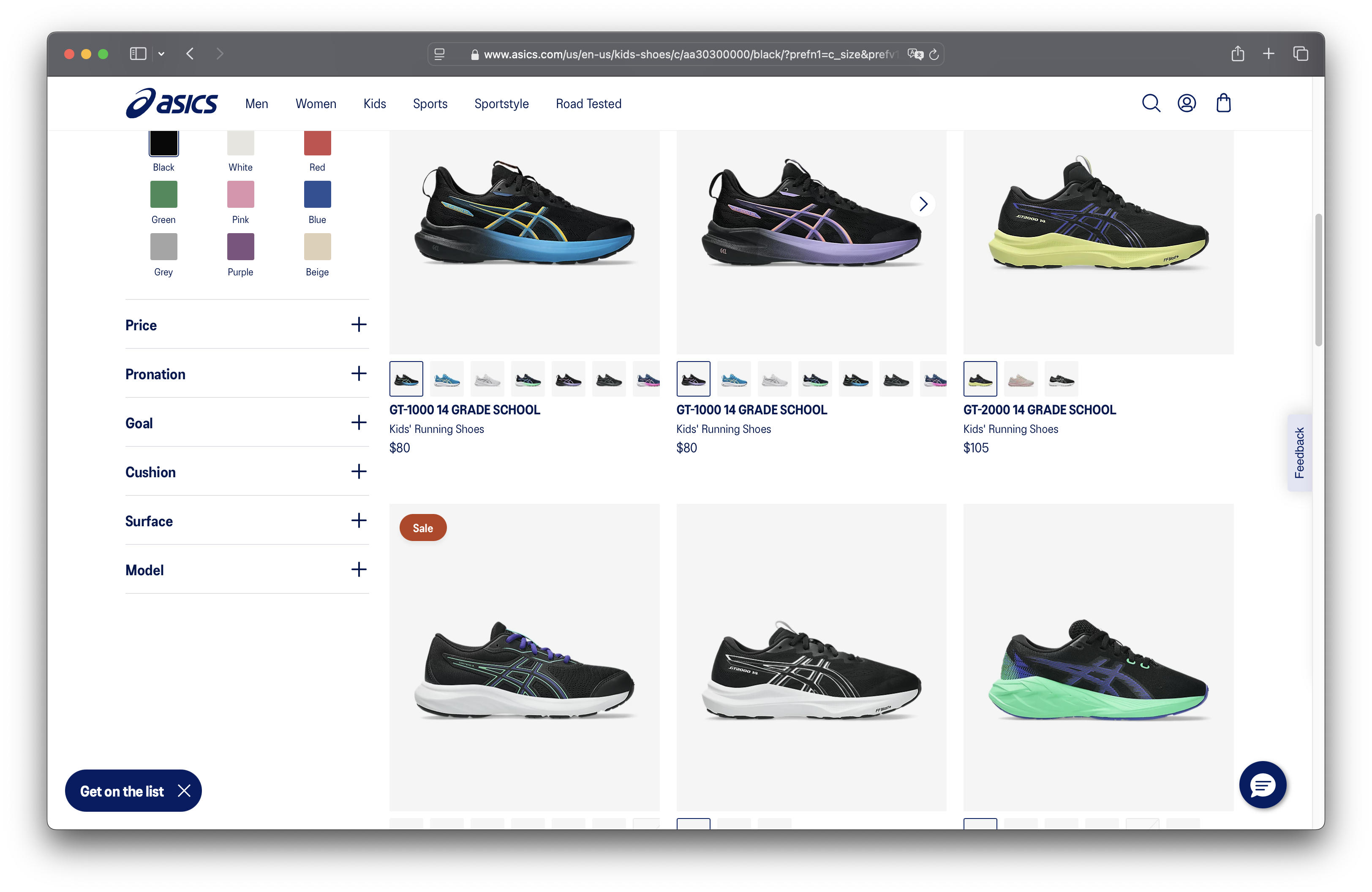
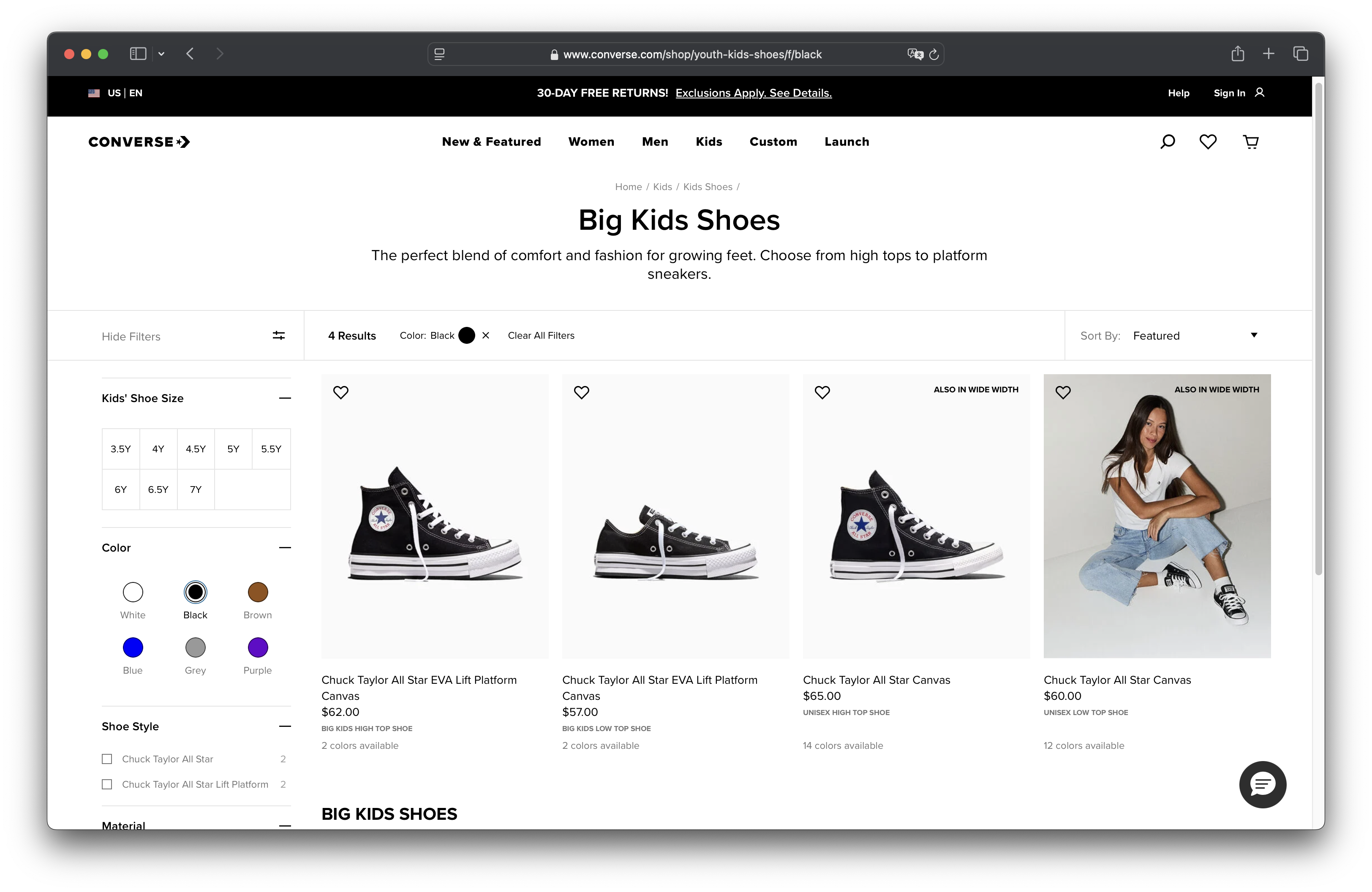
Every workaround Naomi invented stood in for a role the system didn't have. Name the missing roles, the friction becomes a design list.
It refused to pretend. Some constraints don't live in language. It said so out loud.
Naming the limit is what made Naomi try the next step.
User UI · iPhone — narrowed candidates, both profiles ready Eight for Marcus, seven for Amara. Two profile tabs, grouped before the train arrives.
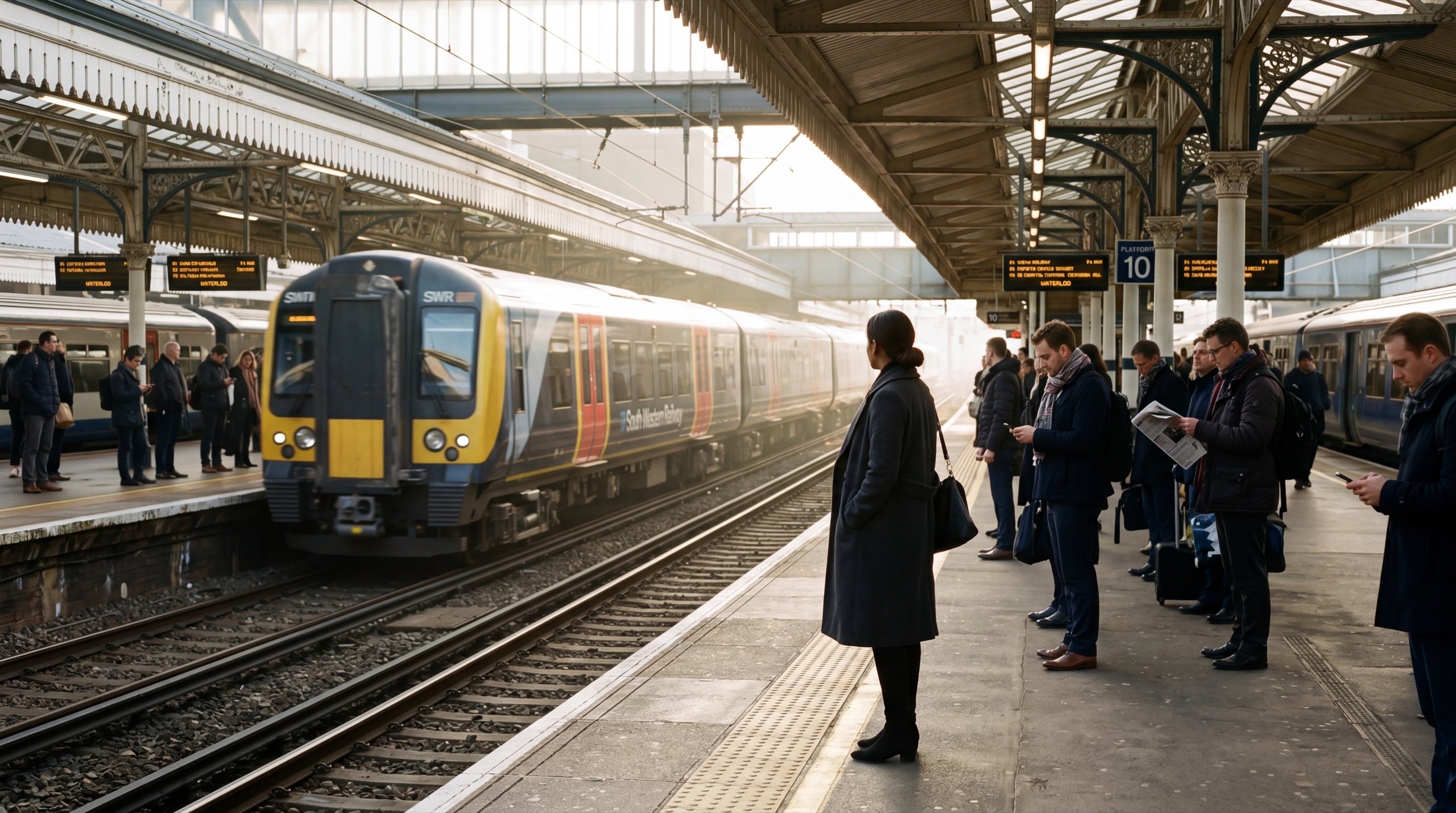
By the time Naomi reached the platform, the Translation Layer (CH02) had already narrowed 787 listings to 20 — 8 for Marcus, 7 for Amara. Two profile tabs. No pleading. No clicking through stores.
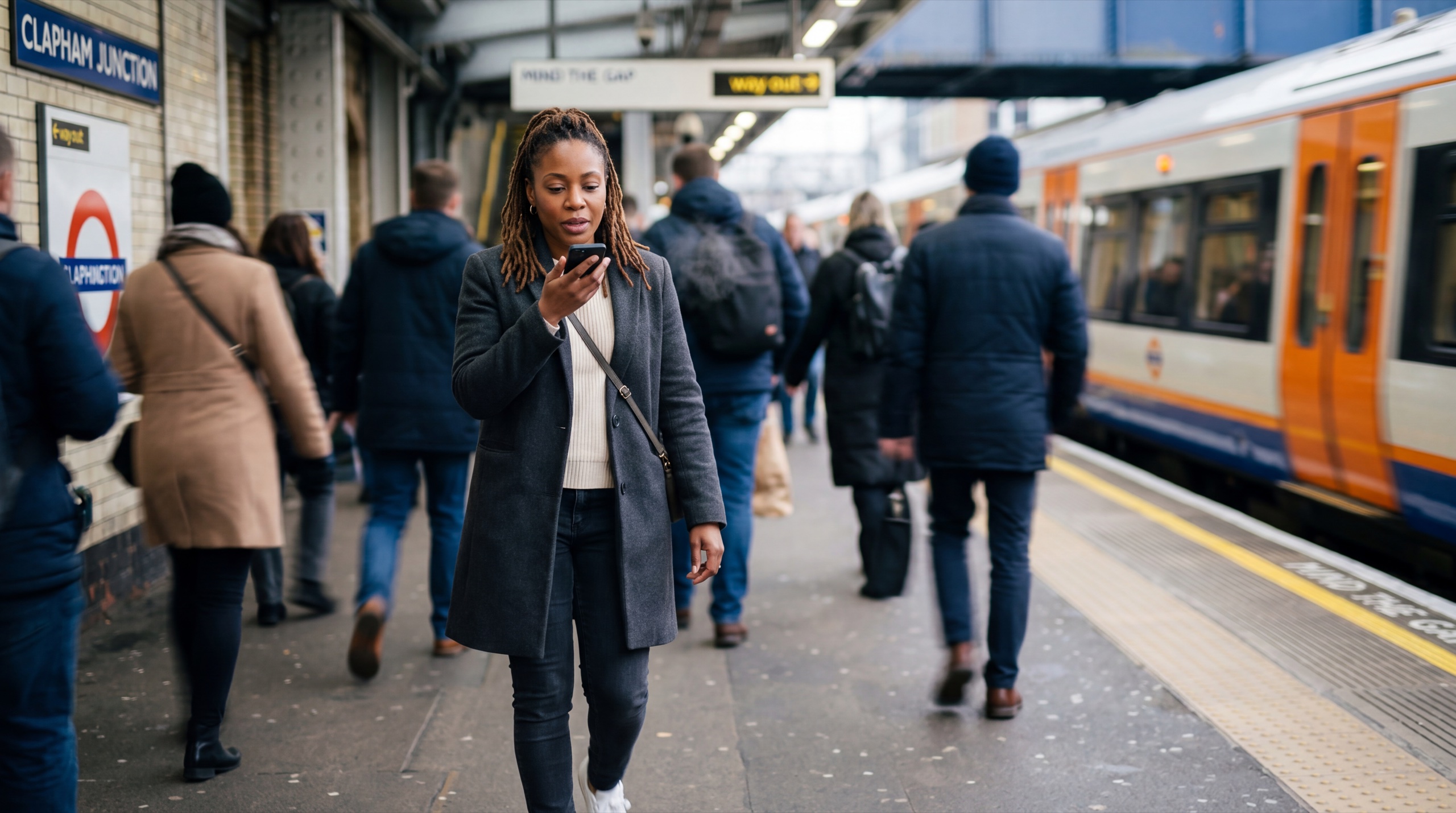
The train door closed. Naomi grabbed the rail. The grid collapsed — one card at a time, big buttons at the bottom of the screen where her thumb could reach.
Four cards earned a Skip — "White sole." "Ridge pattern." "Logo too big." "Weird blue laces." Four constraints that had never been a sentence. The AI watched and logged.
User UI · iPhone (train · one-handed) One card. Skip / Hold / Keep in the thumb zone. 8:15 a.m., one hand on the overhead rail.
Ridge sole — no.
Blue accent — no.
Logo the size of a license plate — no.
Four rejections became four rules. The AI did not announce it. It asked, small and at the bottom of the screen: "Apply these to Amara's list too?"
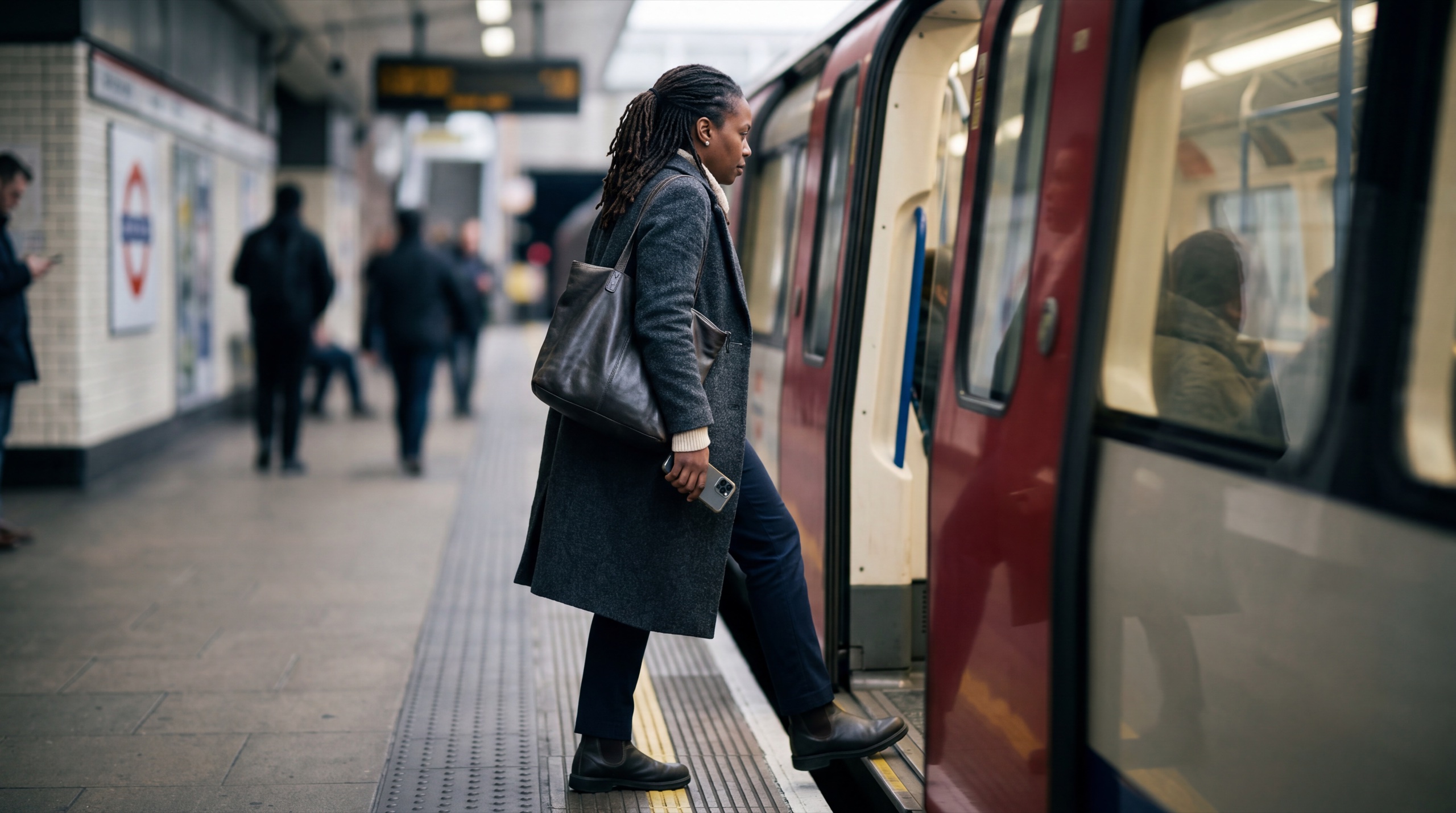
Naomi tapped yes. Amara's seven candidates became three before the doors opened at London Bridge.
That's how Translation Layer grows.
Quietly. With permission.
Backstage view Four "no" taps become four standing rules — applied to Amara's list automatically next.
The TV held the eight cards big enough for the family. Naomi's phone became the remote — a D-pad and an OK button, with matching keyboard controls printed under the TV label.
User UI · TV + iPhone (cast) The TV holds the eight cards. The phone becomes a remote — and the keyboard guide sits under the Chromecast label so the TV can also be operated with arrows and OK. Price and confidence stay under Naomi's thumb, off the family's screen.
No prices on the TV. "Waterproof. Lightweight. Run-ready." Emotional labels for the family. Price and Confidence stayed on Naomi's phone — same product, different surface, different audience.
The first pair of Marcus's Fastpacks arrived too narrow. Naomi returned them. Six months later, on this morning's search, the Brain detected the same narrow-fit spec in Marcus's top-3 candidates.
It didn't surface them. It surfaced three wider alternatives — with the receipt.
The Northface Fastpack Mid · UK 3 narrow · arrived for Marcus. Returned after 2 days. Reason logged: "too narrow at the toe box."
For Marcus: skip narrow-toe trainers from this brand. Width tolerance: medium-wide only. Apply to every shoe search until override.
Removed 5 narrow-toe candidates from the top 20. Surfaced 3 wider alternatives instead. No silent swap. The receipt is here.
Most AI hides its past mistakes. The Brain shows them — and proves it learned. That's the breach worth designing.
Naomi re-asked, same voice note. The Brain still held the four "no" rules, the brand wins, the budget tolerance, the school-PE constraint. Three candidates instead of twenty. All three passed. But the Brain didn't stop at the new pair — it knew what to do with the old one.
The repeat purchase is easier, not the same. Twenty candidates last time, three this time. Less time per round, fewer choices to make. Search advanced to Notify — the AI pre-ranks. Purchase stays at Confirm.
Trust took three months. The list shrank because the rules accumulated.
The Brain didn't stop at the new pair. The old Fastpacks still had three months of wear in them. Family-aware AI knows that — and acts on it.
Salvation Army Wandsworth, free pickup Tuesday.
Brain checked: shoes pass condition standard. One tap to schedule.
Estimated £18-£26 (kids' Fastpack Mid · used · UK 3).
Take one photo. The Brain writes the listing — title, condition, dimensions, postage class, all from the original purchase data.
Amara is currently UK 3.5 — too small. Brain will surface this option again when she reaches UK 3.
Auto-flagged for the family timeline.
Most shopping AI ends at "thank you for your purchase." Family-aware AI knows the pair has a second act — and a third.
Five refusals that held the experience together — each one a design decision, not a default.
Did you notice the TV
never showed a price?
A small choice · the family didn't see the system
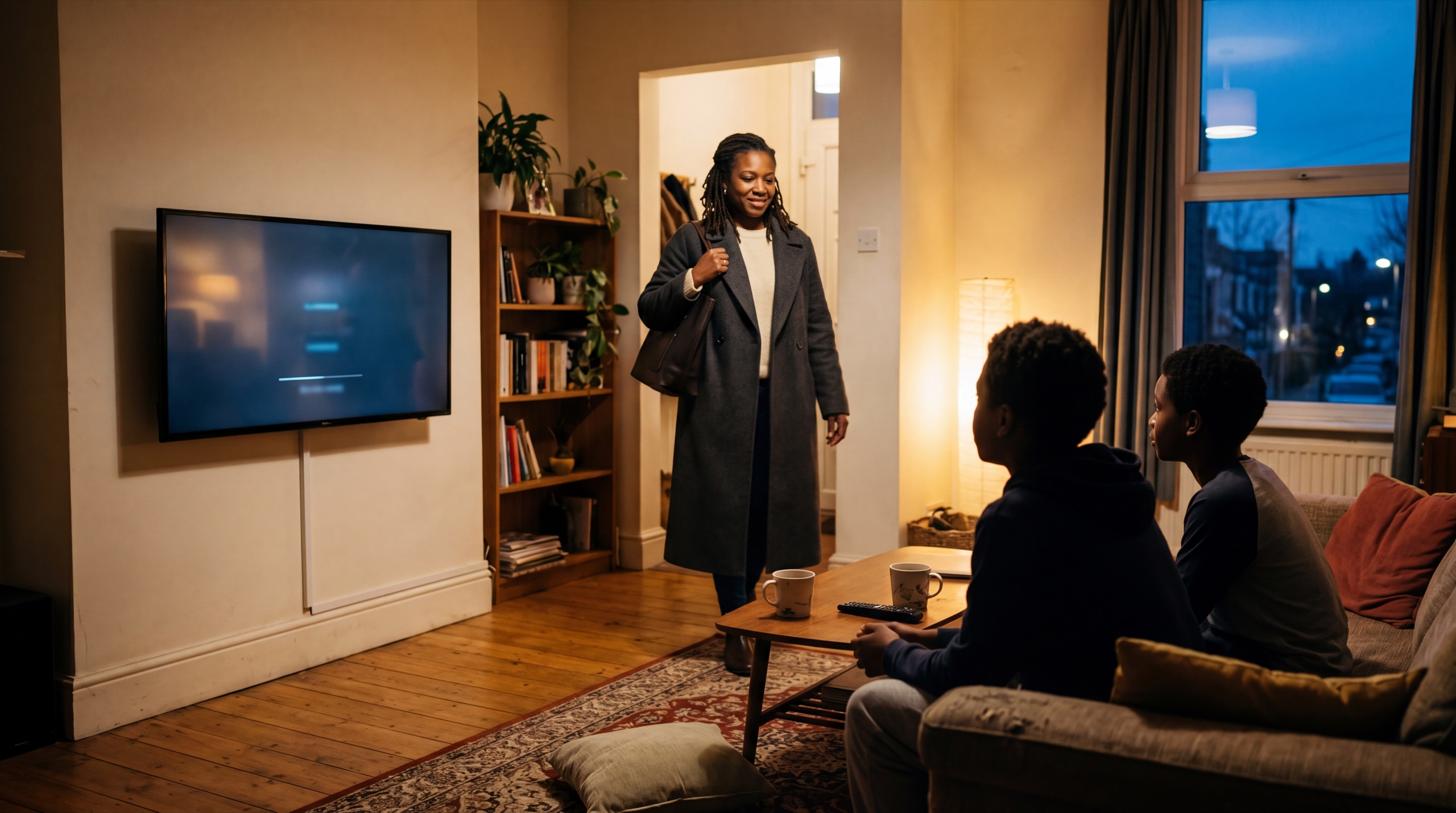
Platform to train to sofa to TV. Two children, two sizes, one honest system. Translation Layer read for her. Form Factor followed her hand. Social-Aware UI protected Marcus's choice. Escalation refused to pretend.
None of it looked like AI on the night. The TV labels didn't say "suggested." The swipe deck didn't announce its filter. The grammar stayed in the background and handed the family only the decisions that belonged to them.

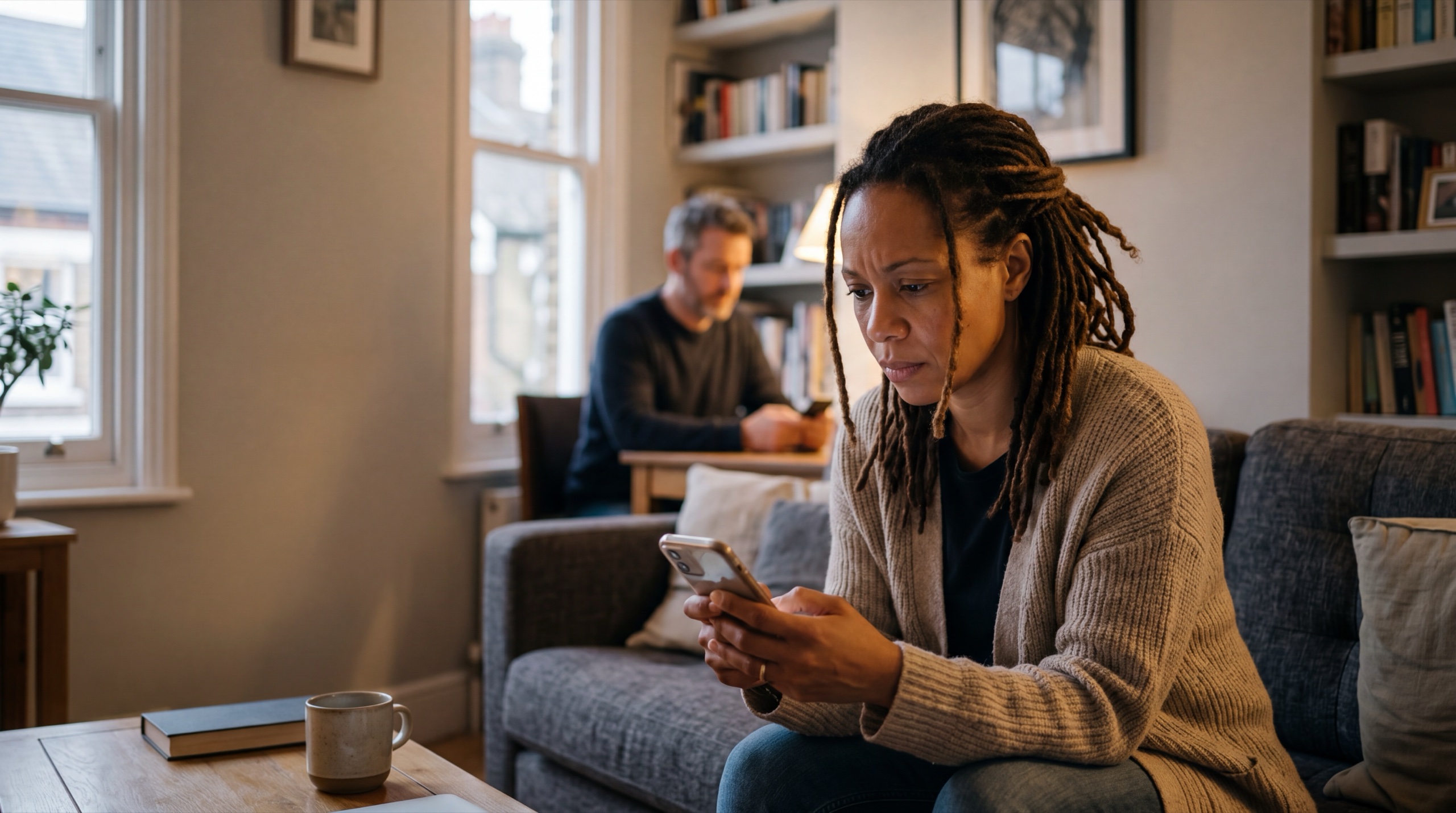
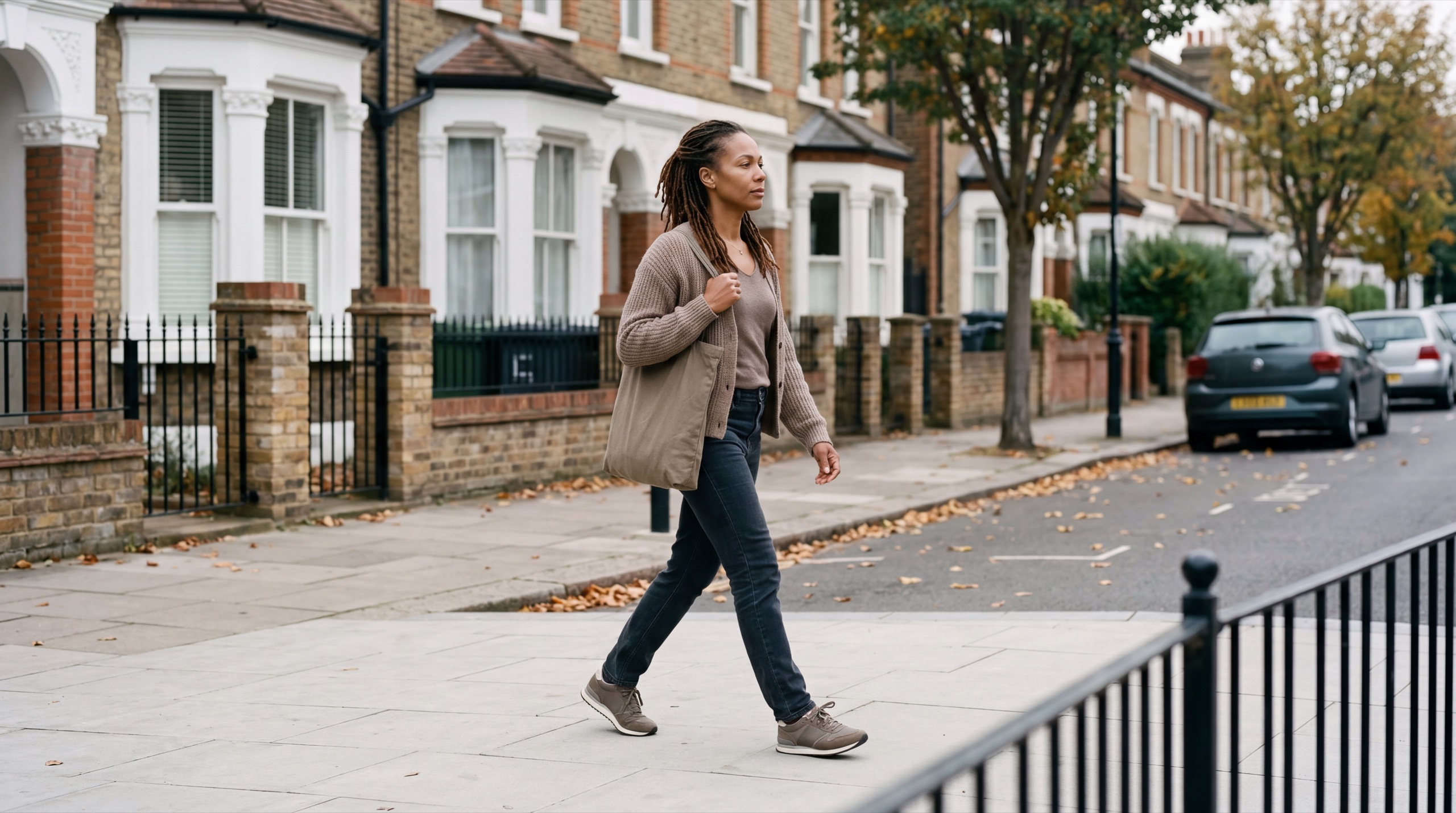

"I chose the middle one."
He did.
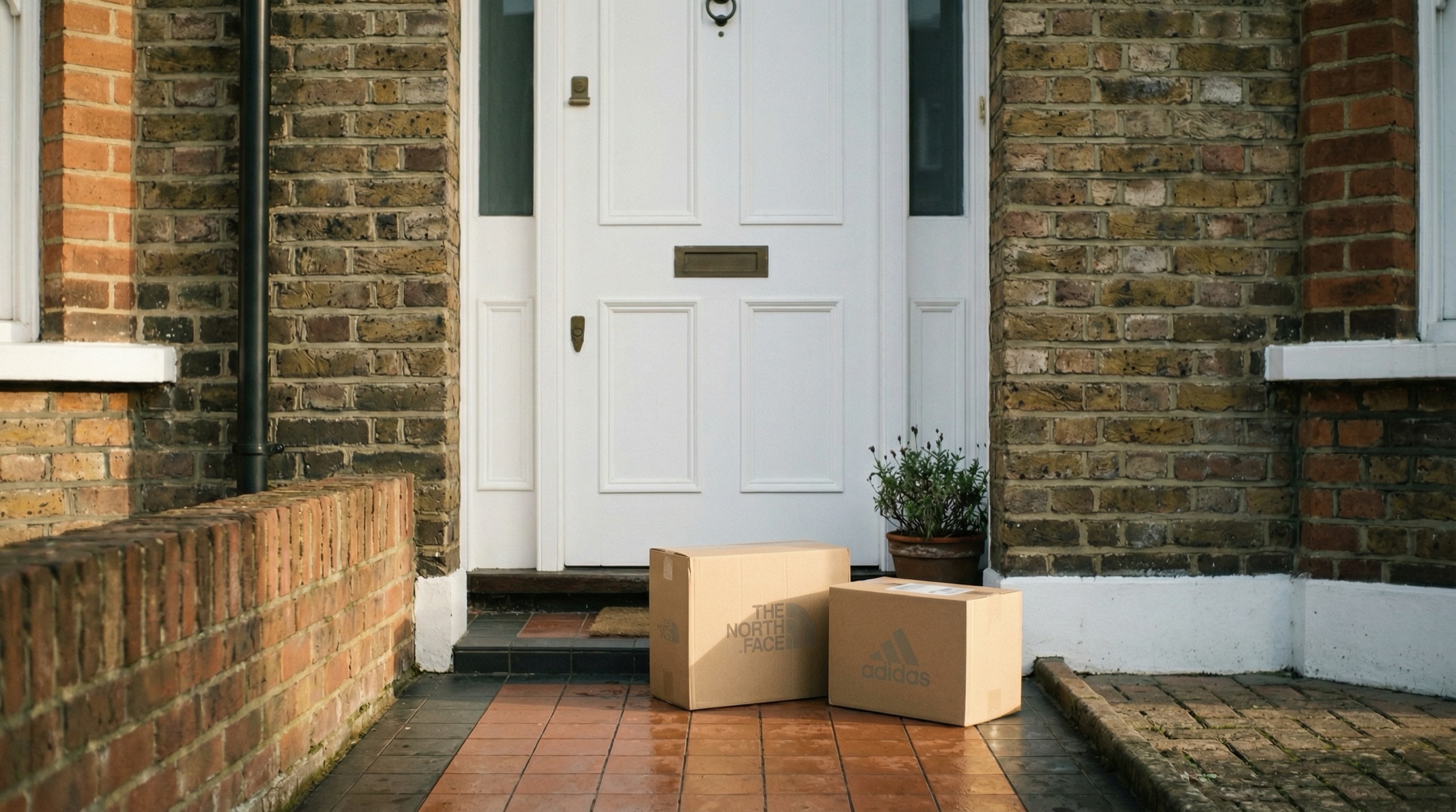
Marcus pointed, announced the shoe like he'd discovered it. Naomi's phone showed £69 and Confidence 94%. She tapped Buy.
The UI protected the choice on purpose. The price tag stayed on the parent's phone, off the family screen.
Marcus's Fastpacks confirmed. James reached for the remote. "Amara, your turn." The TV flipped to her wishlist without leaving the sofa.