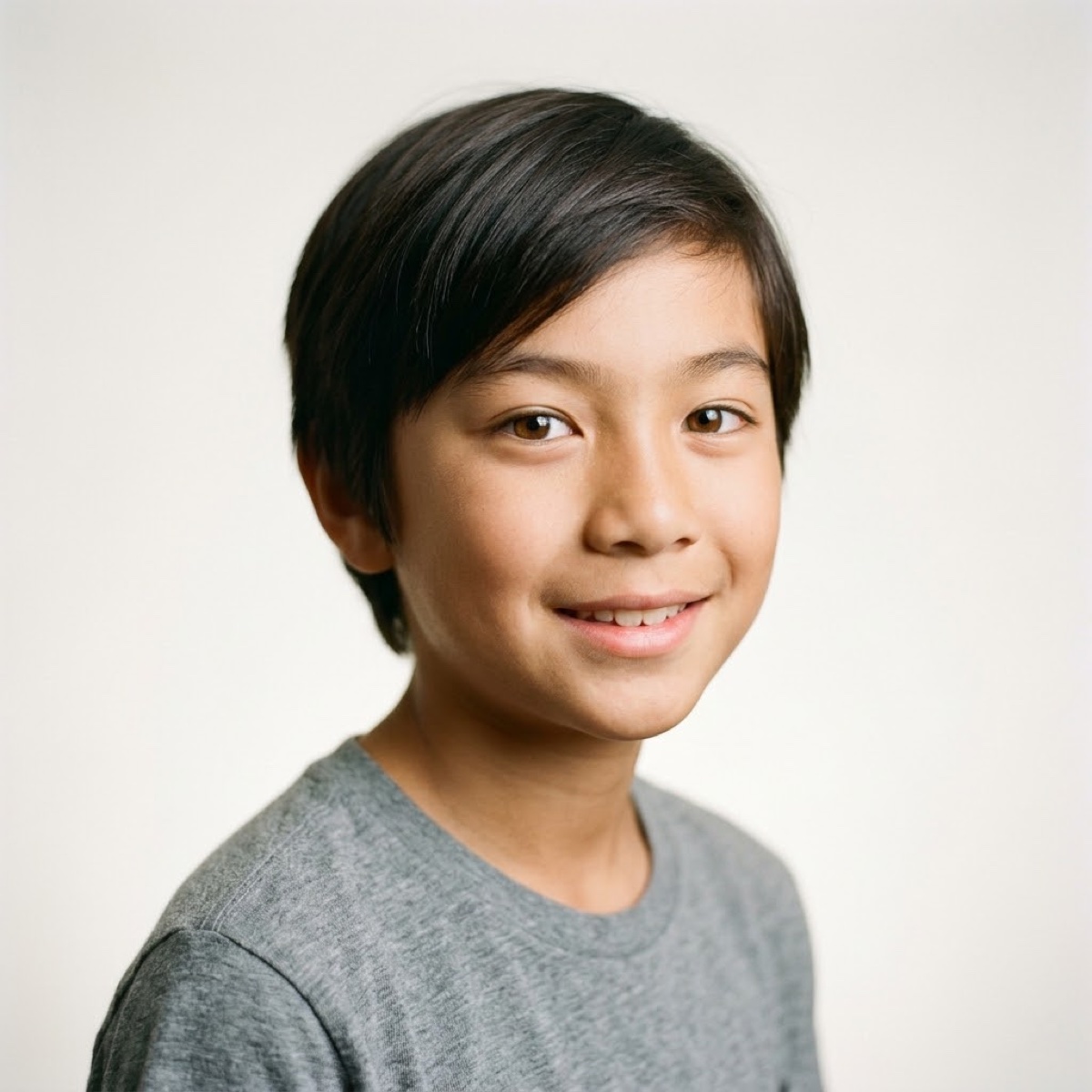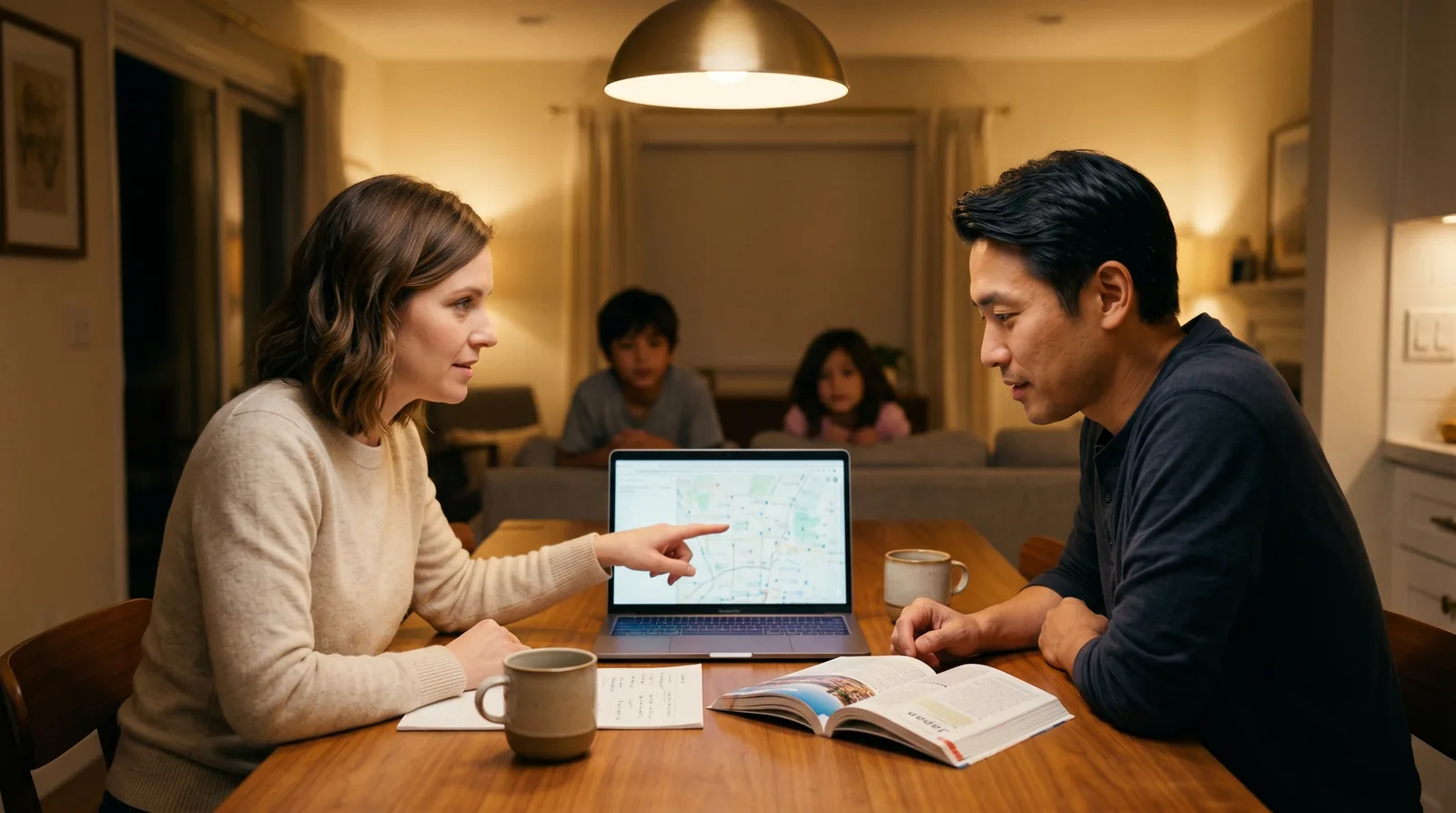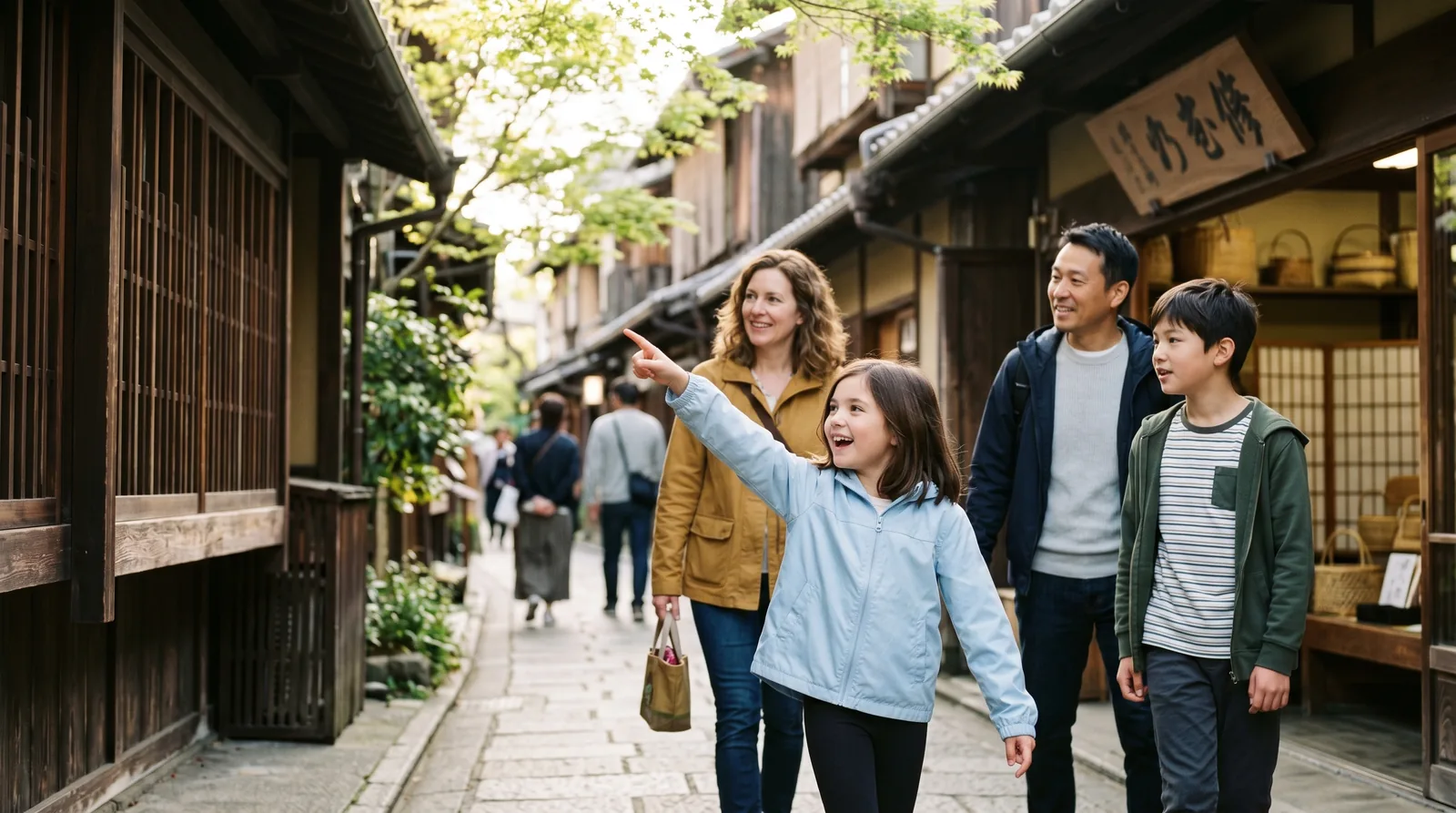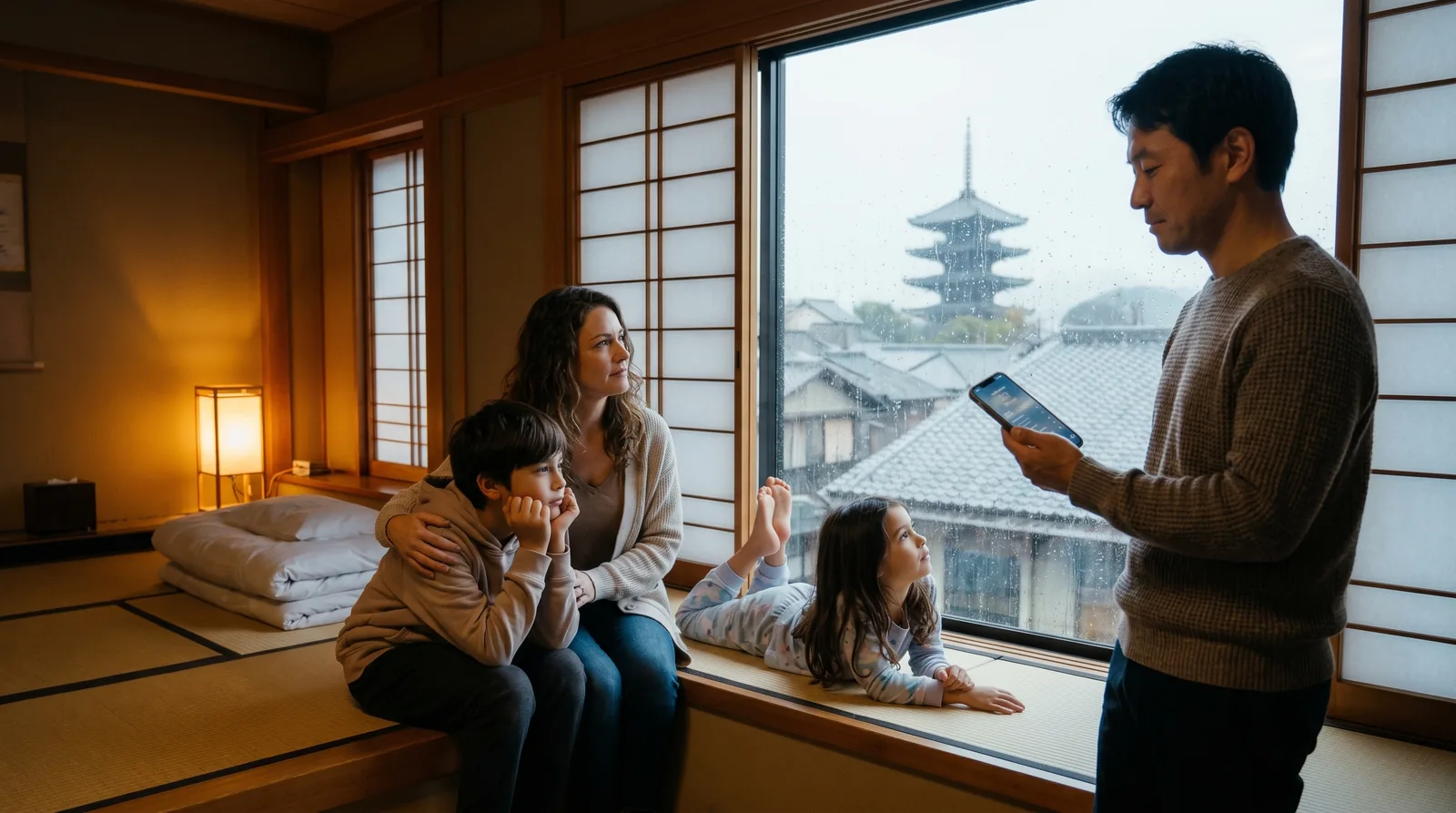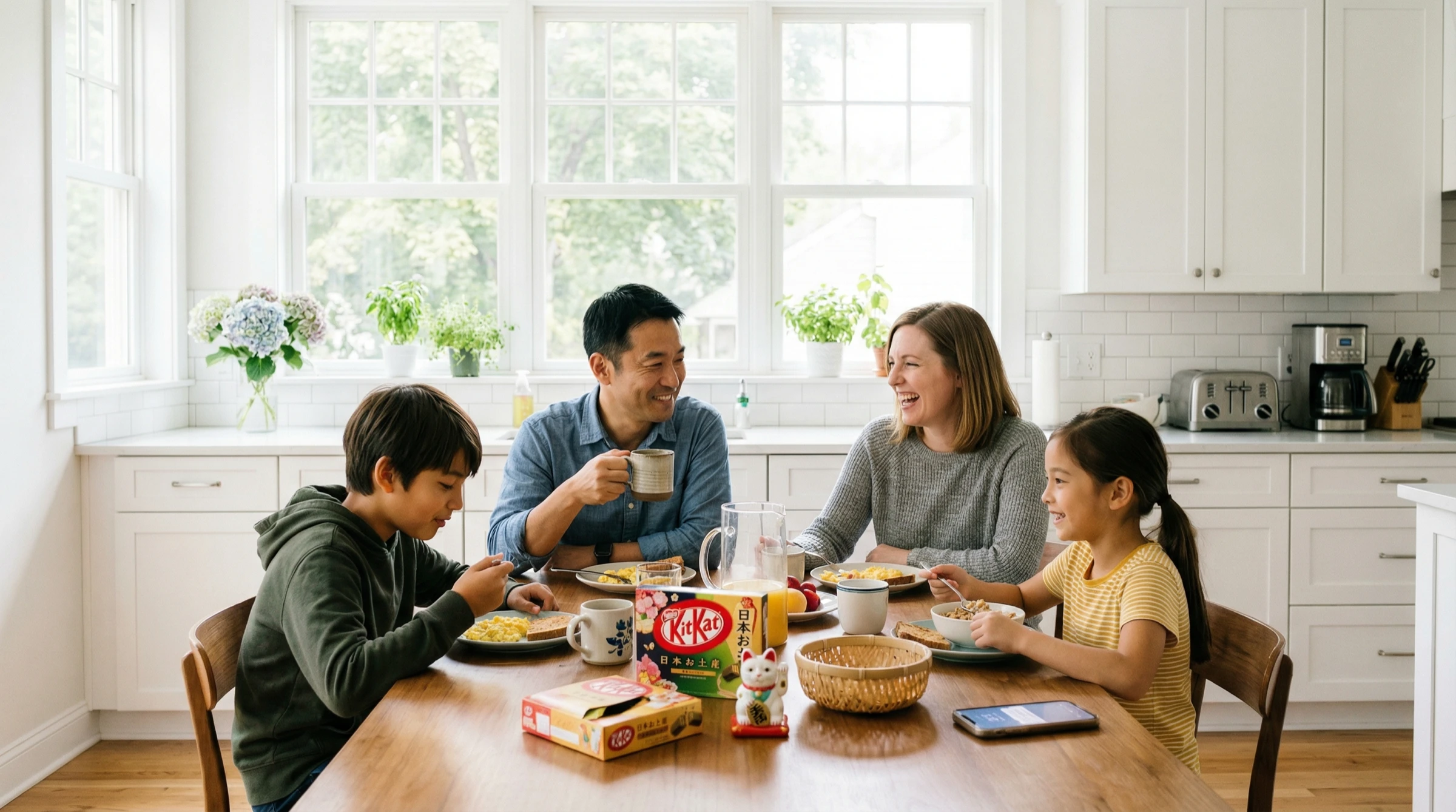
Two parents, two kids, two languages. They live in the Bay Area. Takeshi's parents are in Kyoto. Sarah's are in Seattle. The trip has to work for all six, plus the four travelers themselves.
Grew up in Kyoto. Wants the kids to know where half of them came from.
Marketing lead. Manages the budget, catches the moments on camera.
Into ninjas, ramen, and any weapon that's also historical.
Makes things. Pottery, bamboo, washi — anything her hands can shape.
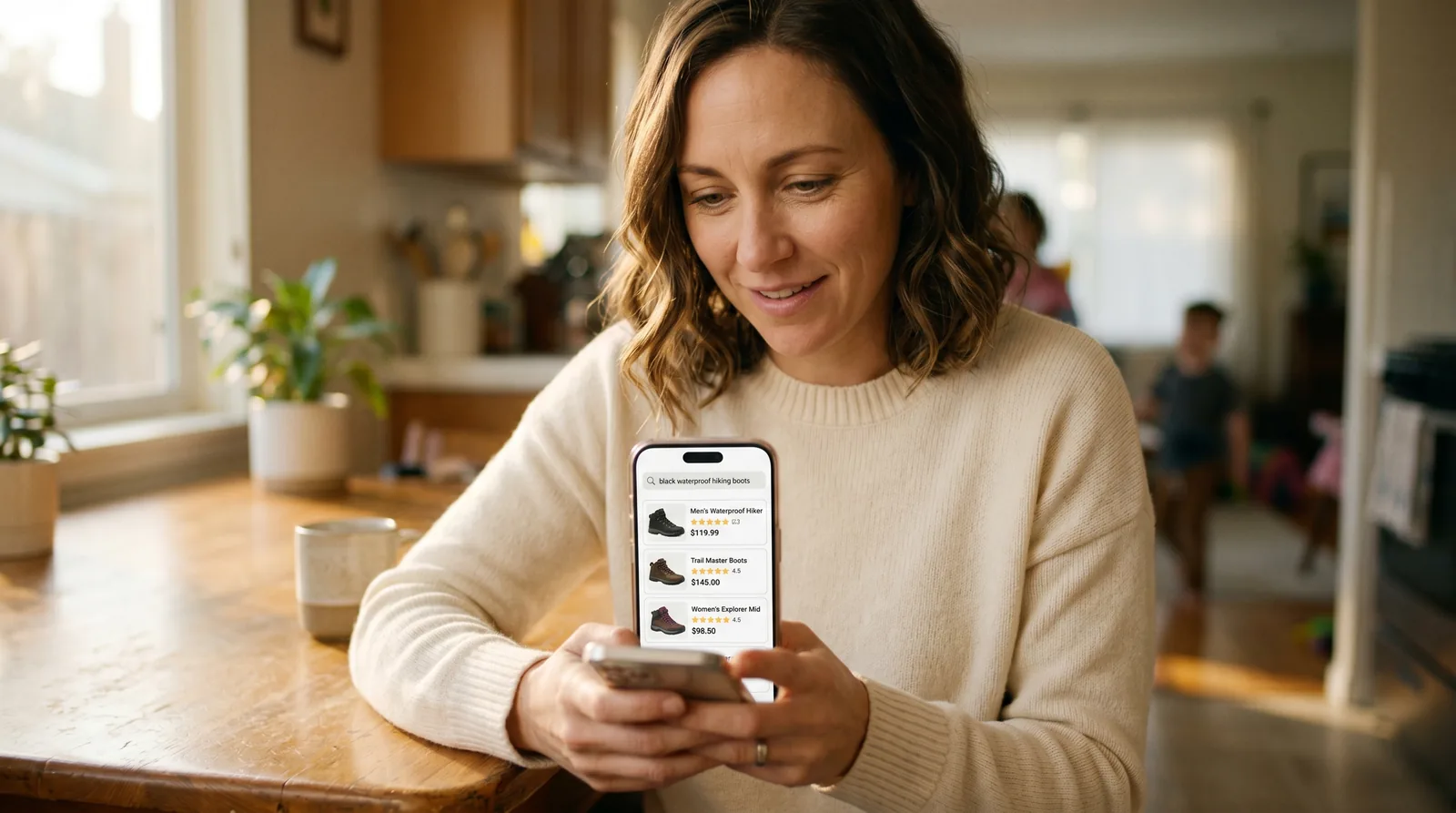
Five browser tabs. Three group chats. A spreadsheet Takeshi started and Sarah took over. None of it talks to each other. None of it remembers her kids are allergic to dairy or that Takeshi's dad can't walk more than twenty minutes.
The Home Brain from Project 01 is permanent — it holds the family's identity, learned patterns, and live state. The moment Takeshi books Kyoto, a child process spins up: a Disposable Brain. It inherits what's relevant, learns during the trip, and on the flight home, folds its learnings back into the Home Brain and dies.
Sarah opens the laptop. Takeshi pulls up a chair. The kids peek over the sofa.
Takeshi says "Kyoto, three weeks, four travelers, $6,000." The Disposable Brain boots — and it doesn't produce one itinerary. It produces four directions, each a different reading of the intent.
Balanced · Kid-first adventure · Culture + grandparents · Hybrid. The Brain is asking which version of "Kyoto" the family actually means before committing to any of them.
Takeshi (dad, 40) and Sarah (mom, 38) pick Hybrid as the base. One tap. No manual stitching.
Kai opens his phone to a picture deck — ninjas, sword forging, ramen, animation museums. No prices, no durations, no warnings about rain. Just yes or maybe.
Social-Aware Filtering strips context that belongs to the parents: budget, feasibility, grandparent logistics. The Brain shows each family member the parts that are theirs to decide.
The Home Brain already knows Mia makes things. Pottery at school, origami on the weekends, a bamboo kit from last summer. Her deck leads with crafts: pottery, kimono dyeing, food-sample making, bamboo.
The deck is not generic "kids activities." It's built from her Learning Layer — what this specific nine-year-old has shown she loves for three years.
One overlap with Kai surfaces automatically: sword forging. The Brain flags it as a shared pick before either parent has to notice.
Thursday night. The Brain throws the two strongest candidates on the living-room TV as picture-first cards. No prices, no fine print — both hit the family's budget and grandparent constraints. Just the texture of each trip.
The choice is human. The Delegation Ladder says: options are AI-assembled, selection is parent-owned. "Auto-book" never appears on this screen.
User UI · TV Family night — the TV shows two picture-first plans. Parents pick the one the kids visibly lean toward.
Same trip, same data — three surfaces. Parents' phones show the spend breakdown and grandparent travel arrangements. The TV shows the kids a picture-first countdown: ninjas Day 3, swords Day 4, onsen with grandparents Day 8.
The Disclosure Cascade is why: one fact — "we leave in 12 days" — sculpted into three voices by audience.
User UI · TV Countdown — the kids' view. Adventures as a row of pictures, no prices, no transit times.
The Disclosure Dial decides what each recipient — Kai, Mia, both sets of grandparents — is allowed to see. Sarah sets it once, per person, before the flight. The rest of the trip honors it.
Concept · Disclosure profiles Six recipients, six dial settings. The Brain honors them silently for the next three weeks.
Mia sees a bamboo sign. The whole afternoon turns.
Walking back from the river, Mia (daughter, 9) sees a hand-lettered sign: bamboo craft · drop in. Takeshi's phone pings before he asks — 90 min, ¥2,500 each, 14:30 slot open, the next booked item (Nishiki Market at 17:00) is still reachable.
The Brain doesn't book it. It nudges: feasible · on budget · within tempo. The family decides in forty seconds. Kai ends the afternoon with a bamboo sword. Mia with a small vase.
The nudge is the output of an intersection the family never sees. Mia's Learning Layer (craft affinity). Physical State (energy at 14:00). Feasibility (90-min fit). Priority Weight (next booking still safe). Social Exposure (tourist-friendly English signage). Cognitive Load (parents currently low).
Backstage view Each gauge is one of the 8 Context Tokens. Six happened to align at 14:00 in Arashiyama. That was enough.
21:30 at the ryokan. The Disposable Brain drafts the day's photo archive three different ways. The parents' version has tempo notes and tomorrow's prep. The Kyoto grandparents' version is in Japanese, every picture included. The Seattle grandparents' version holds the five best shots, waiting for Sarah to tap approve.
Graduated Archive — same day, three voices, one family.
Takeshi's parents set their dial to "full share" — they want to see every photo, hear every meal. It arrives on LINE at 22:00 their time, in Japanese, with the grandchildren's names exactly how the grandparents know them (愛, 海).
No curation, no gate. The Brain trusts the disclosure profile the family set on Day 1.
Sarah's parents speak no Japanese and get overwhelmed by volume. Their dial is set to "curated weekly — five shots, no location pins." Every Sunday, Sarah gets a pre-selected five from the Brain. She swaps two, approves, sends.
Same trip, same day, radically different envelope. That's what per-person really means.
Six hours before the outdoor day, rain redraws the itinerary.
The weather API flips at 06:42. Day 3 and Day 4 go from "cloudy then sunny" to two days of heavy rain. By 07:00, the Disposable Brain has already scanned the outdoor bookings: Fushimi Inari (cancel), kimono walk (postpone to Day 5), bamboo grove (already done Day 2 — kill).
One indoor booking survives: the ninja workshop. When Sarah wakes at 07:30, she sees one notification: "Rain through Day 4. Alternatives ready." Nothing was cancelled yet. The Brain staged the repair; the parents decide.
The Brain weighs each candidate on four dimensions: indoor certainty, fit with the existing ninja booking, Kai's and Mia's wishlist overlap, and the grandparents' tempo for their two-day visit. Movie Village is partially outdoor — cut. The aquarium is pricey and weakly Kyoto — cut. Sanjusangendo, the manga museum, the market, the trolley, and food-sample making survive.
Backstage view The family never opens this matrix. They see the five survivors as picture cards.
Takeshi's phone shows three ways to arrange the survivors across two rainy days. Leisurely — two stops per day. Packed — five stops, requires moving the ninja booking to 10:30. Reserve manga for later — holds one card back for the next rainy window.
The same building blocks, composed three ways. Live Recomposition is the Brain offering arrangements, not making them.
The kids negotiate. Kai wants the manga museum and the ninja workshop. Sarah says quietly to the phone: "If Kai gets two, Mia gets two." The Brain answers with food-sample making (already on Mia's wishlist) plus a tile-painting studio nearby — same tempo, same budget band.
Care Architecture is explicit fairness. The Brain doesn't invent a rule; Sarah states one, and the Brain holds both kids to it.
The kids watch a picture-first sequence: manga Day 3, food-sample Day 4, trolley, tile studio, night-market dinner. Kimono and the Fushimi gates are promised for Day 5. No prices, no logistics. Just the shape of two rainy days made small and specific.
User UI · TV The repaired two-day plan, as the kids see it. 2 + 2 stays visible as a line of small icons.
Day 5, 09:04. Sunny. The kimono walk is on. Takeshi starts the rental car, and CarPlay takes over — route to the rental kimono shop, sized for Takeshi's dad (who's joining today, 20-minute walk limit), with a 10:50 pickup reminder for the Fushimi gates at noon.
The phone sleeps. The dashboard holds the plan now. Cross-Surface Handoff is one Brain speaking through whichever surface is in the hand.
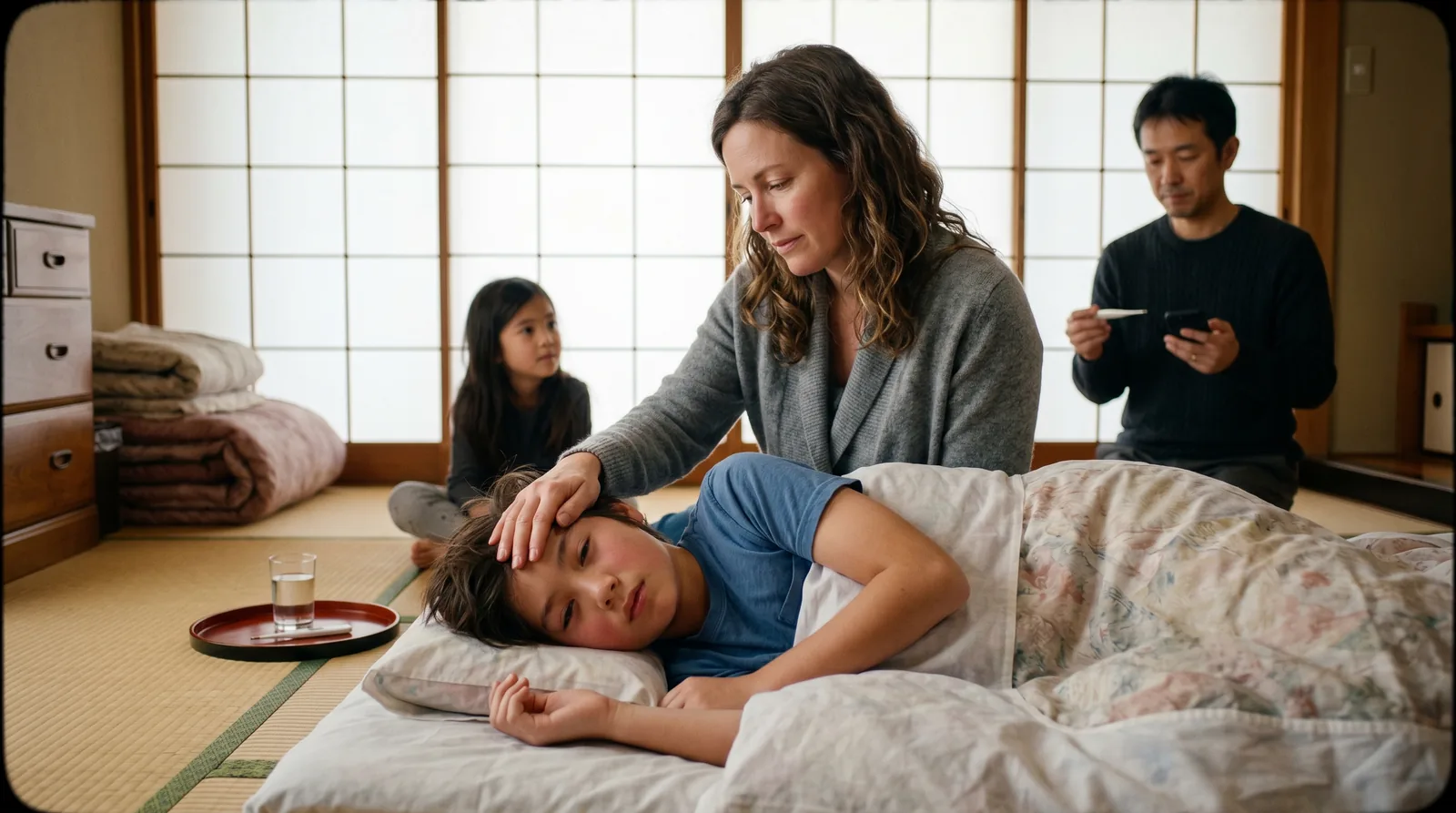
Kai has a fever. Autonomy steps down. Care steps in.
Sarah (mom, 38) is half-asleep when Kai (son, 12) wakes up burning. The Brain has been on "Auto" all week — booking reservations, translating menus, archiving photos. In one action, Sarah drops the Autonomy Dial to Confirm.
The Brain answers in a different voice. English-speaking after-hours clinic, 1.4 km, open until 03:00 — open Maps? · Translated symptom list ready for reception — show? · Kyoto grandparents are 15 min away — call them?
Every step surfaces for Sarah's tap. Nothing ships silently. Limitation Disclosure — the Brain declares, in a crisis, that it is no longer deciding.
"Kai has a fever" goes out three ways. Takeshi's mom in Kyoto gets a calm Japanese voice message: 孫が熱を出している。近くの病院へ向かう。 Sarah's parents in Seattle get nothing until morning — they can't act and don't need to worry overnight. Mia (9), sleeping next door, gets nothing at all.
The Disclosure Dial set on Day 1 made this possible without any new decision at 23:14.
Concept · Disclosure sculpt The Brain didn't decide who to tell. It read the Day-1 dials.
Planning: Suggest (every option stays on the table). Departure week: Confirm (Brain drafts, Sarah taps). Mid-trip default: Auto (restaurant rebookings, photo archives). Rain repair: Confirm (parents own the itinerary). Fever night: Notify + Confirm (every step visible). Flight home: back to Suggest.
Three forces drove every shift — service default × Brain adjustment × Sarah's active choice. Autonomy is never purely user-controlled, and the Brain makes the current level visible whenever it changes.
Backstage view Autonomy is a verb, not a setting. The Brain kept moving it and declared the move each time it mattered.
At cruising altitude, the Disposable Brain does its last job. It packages what it learned about this family into deltas and appends them to the Home Brain. Then it deletes itself.
What survives: Kai loves tonkotsu ramen. Mia wants 90-minute craft blocks, not 30. Takeshi's dad's true walking limit is 18 min, not 20. Sarah prefers ninth-floor rooms. Group volume drops off fast after day 7 of travel. The family is now six pieces of knowledge richer — and their tools for the next trip will start from there.
Takeshi types "Tokyo, 10 days, four travelers, early spring." A new Disposable Brain spins up. Its Inherited Layer already knows: Kai wants tonkotsu, Mia wants long hands-on sessions, dad walks 18 min, tempo drops after day 7. The first screen shows three directions — and each one honors what the Kyoto Brain learned.
Disposable doesn't mean forgetful. It means scoped. The trip ends. The learning doesn't.
It's Tuesday in the Bay Area. Sarah makes coffee. The Kyoto dashboard is gone — archived, its notifications retired, its home-screen tile quietly removed by the Brain overnight. The photos are in the family album. The tempo lessons are in the Home Brain. The next trip will know.